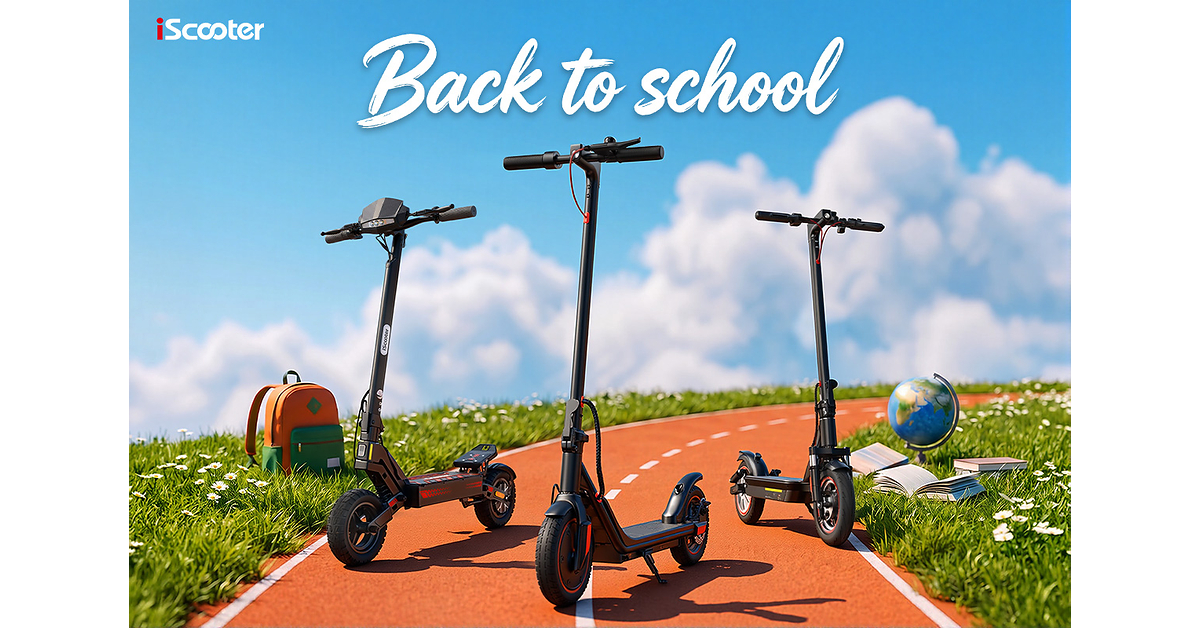
iScooter announced a 2026 North America Back-to-School Sale running Aug. 10–Sep. 23, 2026, featuring limited-time discounts on selected models. The i8M offers a 39% savings over a three-day promo, while the i9M, i10, and iF1 promotions provide 35%, 32%, and 32% savings over seven days, respectively, alongside bundle offers (2 scooters: 10% off; 3 scooters: 15% off) and an instant $50 reduction for helmet/lock bundles. The campaign also includes a verified-student extra 5% discount via .edu email and five-times membership points during promotional windows, which is unlikely to be material for broader markets.
This looks more like inventory monetization than evidence of durable category acceleration. A 30-40% markdown stack plus points multipliers usually means the seller is buying units with margin, which can support top-line optics but weakens pricing power for the entire low-cost e-mobility segment. If this kind of discounting broadens, it pressures adjacent DTC mobility brands and also makes marketplace-heavy competitors more vulnerable to race-to-the-bottom pricing.
The immediate beneficiary is not the scooter brand alone but the ecosystem around it: helmets, locks, and replacement parts can see higher attach rates, which helps accessory sellers and general merchandise marketplaces more than pure-play OEMs. The flip side is that promotional traffic often brings low-quality customers who churn after the season; if that happens, the true signal will be weak repeat purchase rates and no sustained improvement in unit economics. For public comps, NIU is the cleanest read-through, but this only matters if channel checks show the same level of discounting into Q4.
Time horizon matters here: the next 2-6 weeks are about sell-through, but the 1-3 month read is whether this is a one-off back-to-school push or a sign of persistent demand softness. The contrarian view is that this may be efficient customer acquisition, not distress, if bundle attach and student conversion translate into a larger installed base. What would falsify a bearish read is stable ASPs, low return rates, and evidence that margin is being protected through accessories/services rather than pure markdowning.
AI-powered research, real-time alerts, and portfolio analytics for institutional investors.
Request DemoOverall Sentiment
neutral
Sentiment Score
0.08
