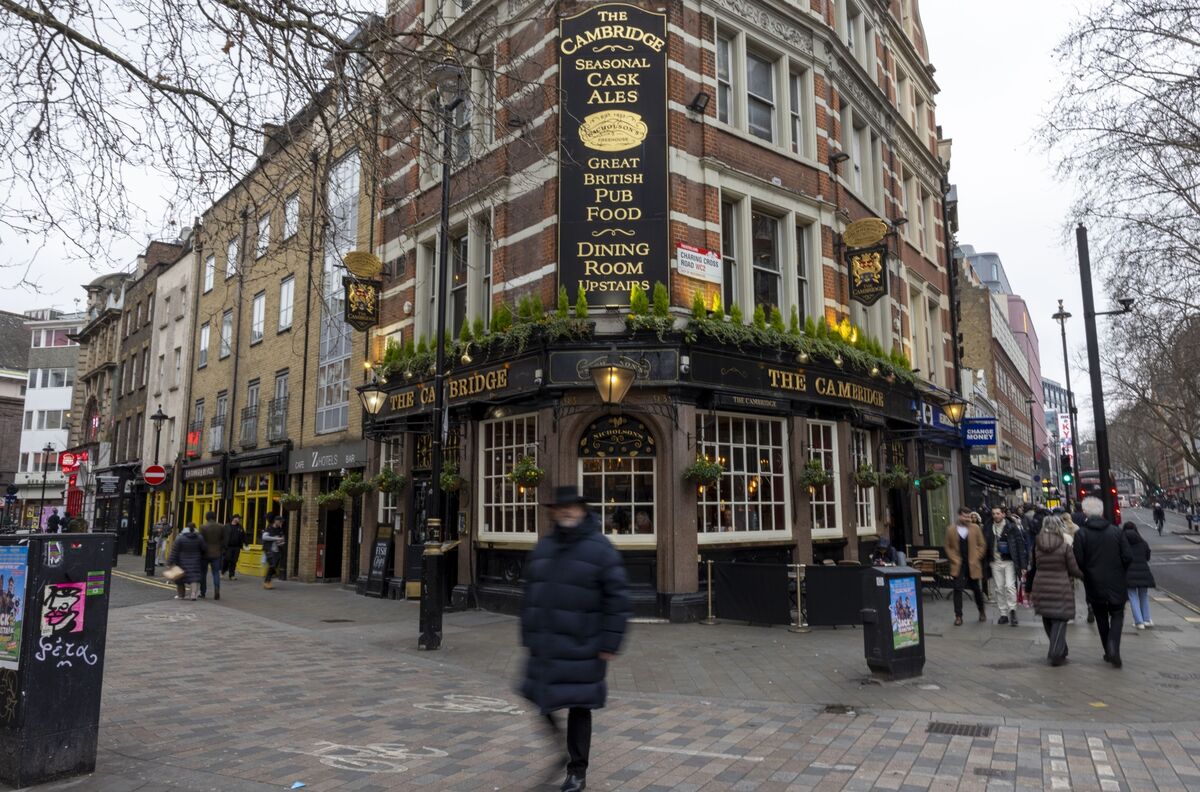
Chancellor Rachel Reeves framed the budget as delivering the 'lowest tax rates since 1991' for hospitality, but the detailed changes to business rates (a property tax) have effectively increased costs for pubs and hotels. Mitchells & Butlers CEO Phil Urban said rates have gone up despite the rhetoric, signaling margin pressure for operators and a potential catalyst for share-price weakness and political backlash within the hospitality sector.
Market structure: The immediate losers are UK pub and casual-dining operators with large non-residential property tax exposure (e.g., Mitchells & Butlers - MAB.L, Greene King - GNK.L) as business-rate increases compress EBITDA margins 3-8% on our modelled scenarios; defensive grocery retailers (TSCO.L, SBRY.L) and branded hotel operators with more variable-rate pricing (WTB.L) are relative winners. Higher effective property taxes reduce free cash flow for operators and lower commercial property valuations, pressuring listed landlord names (LAND.L, BLND.L) unevenly depending on lease pass-throughs.
Risk assessment: Tail risks include rapid policy reversals (pre-election concessions), large-scale landlord-tenant renegotiations, or covenant breaches triggering defaults in HY hospitality debt; probability ~15% over 12 months but high impact. Immediate (days) volatility will concentrate around budget clarifications and parliamentary votes, short-term (weeks/months) credit-spread widening and refinancing stress may emerge, long-term (quarters) weaker capex and consolidation in the sector are likely if effective tax burden stays elevated >5% vs 2023.
Trade implications: Favor tactical downside in pure-play pubs/hospitality and protection trades: use puts or CDS rather than naked shorts; rotate proceeds into UK staples, selected real assets with strong indexation to inflation, and high-quality corporate bond picks. Cross-asset: expect modest GBP weakness vs USD/EUR and widening of UK HY spreads vs core; UK gilts may underperform if fiscal strain persists, so position duration carefully.
Contrarian view: Consensus likely overestimates permanent damage—many operators can pass through some cost or renegotiate leases; if Autumn Statement (within 30–60 days) delivers targeted relief ≤3% effective rate reduction, hospitality equities could rebound 15–30%. Also, lower property valuations could create acquisition or REIT buying opportunities for disciplined buyers within 6–12 months.
AI-powered research, real-time alerts, and portfolio analytics for institutional investors.
Request DemoOverall Sentiment
moderately negative
Sentiment Score
-0.50
