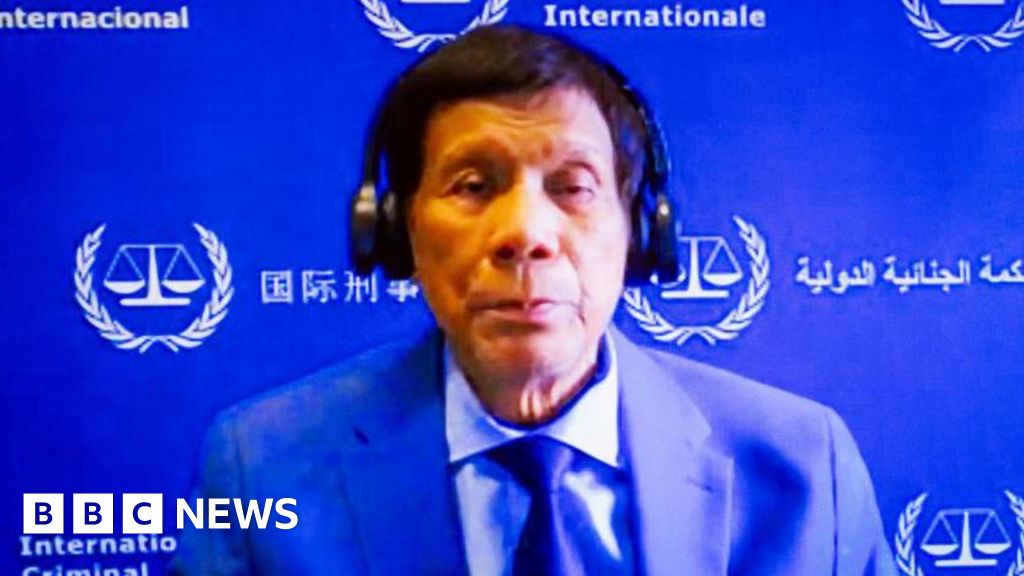
The ICC is holding a four-day confirmation hearing to decide whether former Philippine president Rodrigo Duterte should face trial on three counts of crimes against humanity for alleged extrajudicial killings during his anti-drug campaign; prosecutors say he was involved in at least 76 murders amid wider estimates of up to 30,000 deaths. Duterte, who was arrested, deported to The Hague and remains detained, waived courtroom appearance and denies the charges; judges will rule on whether there is sufficient evidence and have 60 days to issue a written decision. The case has significant political ramifications domestically — worsening the Duterte-Marcos power struggle ahead of the 2028 election where Duterte’s daughter is a potential candidate — and serves as a test of the ICC’s ability to prosecute a former head of state, creating heightened political and governance risk for the Philippines.
Market structure: The ICC proceedings raise idiosyncratic political risk concentrated in the Philippines — immediate winners are safe-haven FX (USD) and regional safe assets; losers are Philippine sovereign debt, domestic banks and consumer names tied to urban low-income demand. Expect local equity index (PSEi) underperformance vs. MSCI EM by 3–10% if social unrest or policy reprisals escalate within 1–3 months; credit spreads could widen 30–120 bps depending on contagion to fiscal metrics.
Risk assessment: Tail risks include (1) prolonged civil unrest or targeted sanctions that trigger capital controls; (2) a breakdown of elite pact leading to policy paralysis and credit-rating pressure; both would push USD/PHP +5–10% and force 10y yields noticeably higher. Near-term (days–weeks) volatility will be headline-driven; medium-term (3–12 months) fundamentals hinge on election trajectories (Sara Duterte 2028 run) and Marcos-Duterte elite competition.
Trade implications: Active trades should focus on FX and credit hedges rather than spot Philippine consumer names. Use scalable instruments (USD/PHP forwards, 5y CDS, index ETFs) and implement volatility-tolerant hedges (3–6 month tenors). Liquidity is key: avoid small-cap Philippines equities and direct single-name positions unless conviction >5% portfolio-sized research-backed thesis.
Contrarian angles: Consensus is risk-off on all Philippines exposure, but domestic political resilience (Duterte popularity pockets, remittance inflows) could cap downside; a sell-off that overshoots by 5–12% would create attractive entry for selective banks and large-cap exporters with non-PHP revenues. Historical parallels (EM political shocks 2016–2018) show rapid mean-reversion once headlines stabilize — plan defined re-entry points tied to spreads/yields, not calendar dates.
AI-powered research, real-time alerts, and portfolio analytics for institutional investors.
Request DemoOverall Sentiment
moderately negative
Sentiment Score
-0.25
