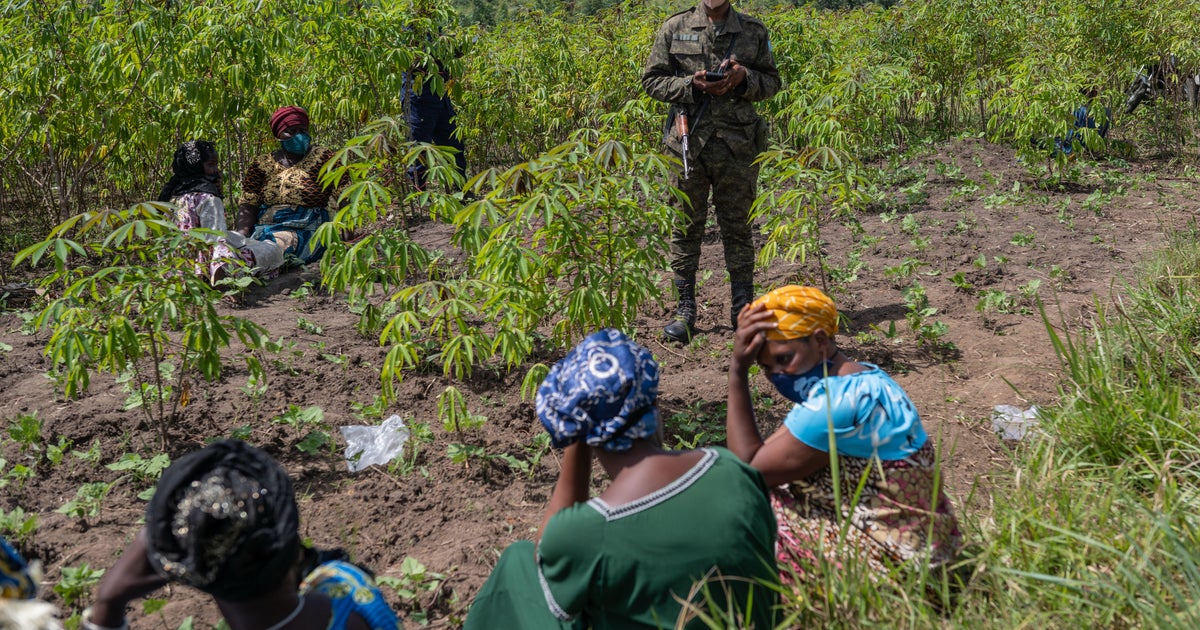
Ebola response in eastern Congo deteriorated as a second treatment center was burned in a week, leaving 18 suspected cases unaccounted for after fleeing the fire. WHO now rates the outbreak as a "very high" risk for Congo, with 82 confirmed cases and 7 deaths, while authorities report 750 suspected cases and 177 suspected deaths. The U.S. also moved to restrict green card holders who have recently been in Ebola-affected countries from reentering, underscoring escalating public-health and travel risk.
The market impact is less about the virus headline itself and more about the collapse in containment credibility. When treatment sites are attacked and community cooperation breaks down, the outbreak’s effective reproduction rate can stay elevated for months even if case counts appear manageable, because contact tracing, isolation, and safe burial protocols stop functioning at the perimeter. That shifts the risk from a localized health event to a broader disruption premium across East African logistics, NGO operations, and any EM credit names with Congo/Uganda exposure.
The second-order winner is the security-and-logistics layer, not the healthcare providers: firms and contractors that provide perimeter security, airlift, cold-chain, and field communication tend to see demand spike whenever humanitarian access deteriorates. Conversely, airlines, local consumer names, and cross-border miners face a hidden productivity tax as labor absenteeism, roadblocks, and travel restrictions rise before formal quarantines do. The U.S. immigration restriction is a signal that developed-market governments are willing to tighten mobility faster than the outbreak itself spreads, which raises the probability of additional screening and travel friction in the coming 2-6 weeks.
The biggest tail risk is policy escalation from public-health management to de facto regional containment, especially if untracked suspected cases seed secondary clusters in higher-density towns. That would be bearish for frontier-market sentiment and could widen spreads on regional sovereigns and quasi-sovereigns with weak external financing, even without direct fiscal exposure. If trust-building efforts succeed and community violence subsides, the trade unwinds quickly; otherwise, each additional attack increases the odds of a longer, stop-start outbreak arc measured in quarters, not days.
AI-powered research, real-time alerts, and portfolio analytics for institutional investors.
Request DemoOverall Sentiment
strongly negative
Sentiment Score
-0.70
