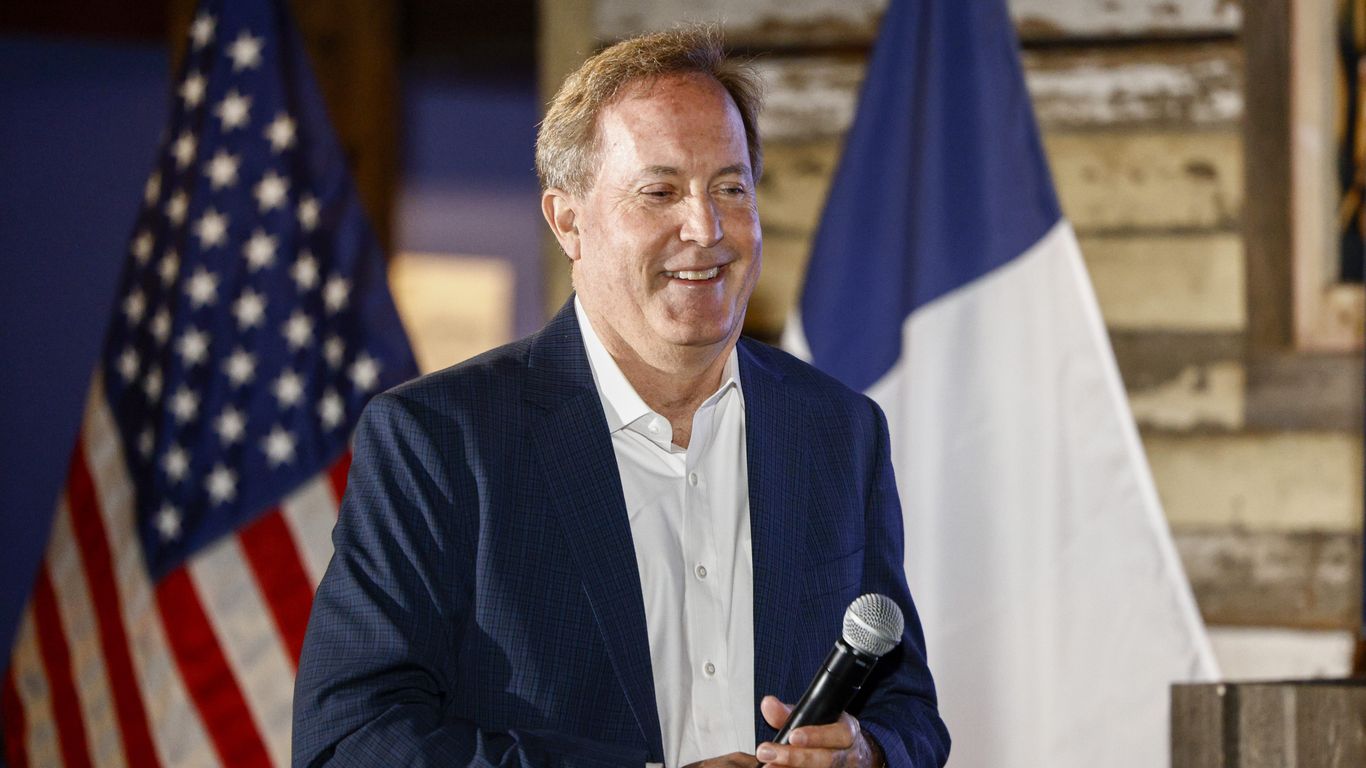
Texas Attorney General Ken Paxton defeated Sen. John Cornyn in the Republican primary runoff, winning 62.7% to 37.2% with 53% of votes counted at 8:25pm; the AP called the race an hour after polls closed. The result is a major setback for one of the Senate GOP's senior members and may make Republicans' November defense of the Texas seat more difficult, especially versus Democrat James Talarico. The article also highlights Paxton's legal scandals and impeachment history, which remain relevant to his political profile.
Paxton’s victory is less about Texas statewide fundamentals and more about the GOP’s internal selection mechanism becoming a volatility generator. That raises the probability of a nominee whose biggest asset is base activation but whose ceiling in a general is lower, which matters because Senate control can hinge on a handful of seats and one toxic candidate can force national money into what should otherwise be a safe hold. The second-order effect is not just on this race: donors and leadership-aligned committees may now have to spend earlier and harder to prevent similar populist blowups in other primaries, increasing dispersion across Republican-held down-ballot contests.
The market-relevant issue is timing. The immediate window is months, not days: fundraising, candidate quality, and negative advertising will determine whether this becomes a real November threat or just a headline that fades. If Democrats can define the nominee around legal risk and instability, the seat moves from “safe red” to “resource sink,” which can ripple into Texas House, judicial, and ballot-driven turnout dynamics. That is where the real vulnerability sits: not in flipping Texas statewide, but in forcing Republicans to defend margins across a broad ballot.
Consensus may be underestimating how much this kind of primary outcome strengthens the case for centralized party intervention in future cycles. If leadership decides that loyalty tests are now too costly, expect more aggressive use of funding, endorsements, and candidate vetting in 2026, which is a modest tailwind for institutional GOP figures and a headwind for insurgent challengers. Over time, that could reduce primary-driven unpredictability, but near term it increases volatility in Republican-held seats where base-election winners are weaker general-election performers.
AI-powered research, real-time alerts, and portfolio analytics for institutional investors.
Request DemoOverall Sentiment
neutral
Sentiment Score
-0.05
