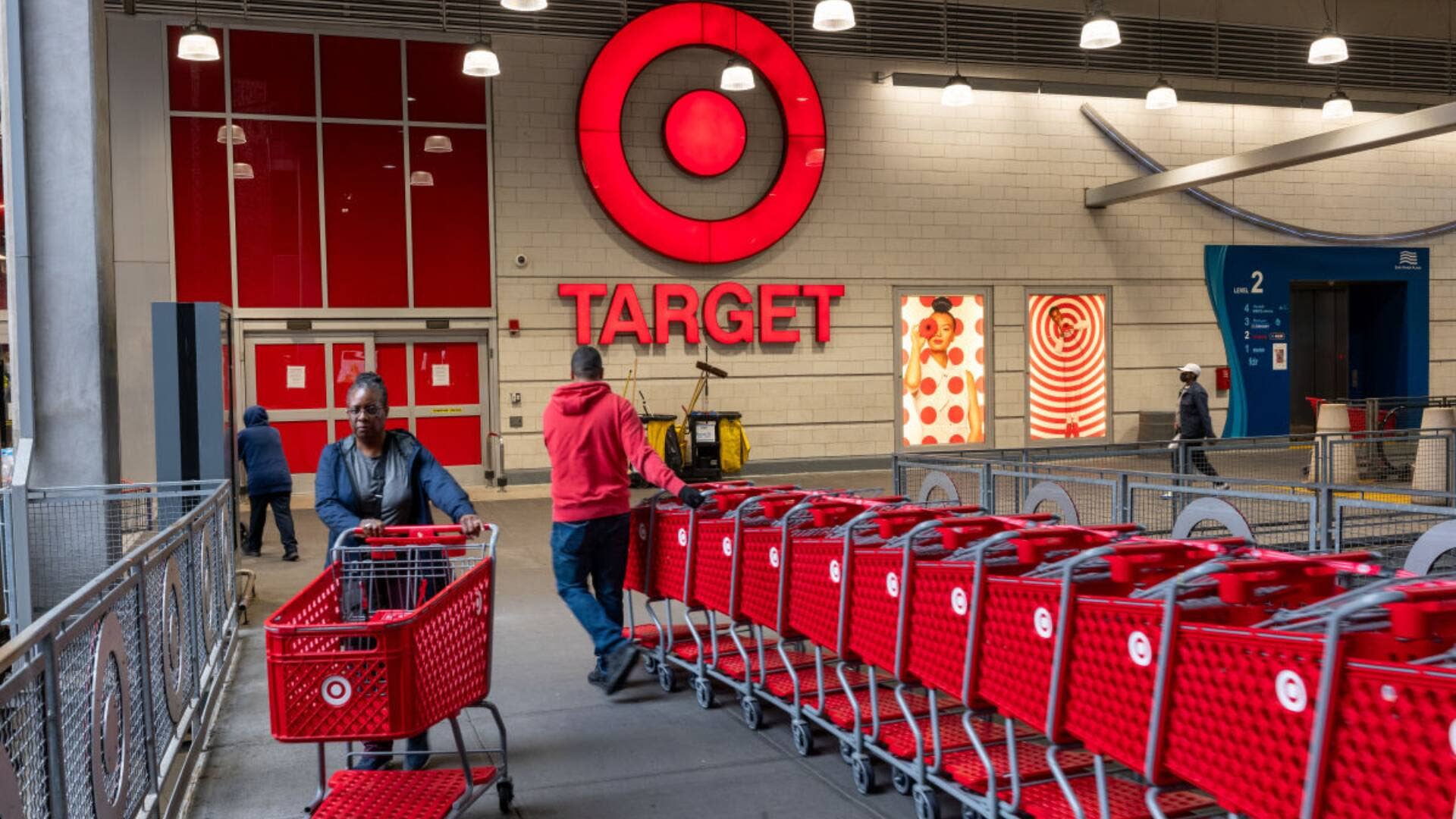
U.S. tariffs are posing significant challenges for retailers, with Bank of America analysts projecting Target (TGT) may need to implement price increases of approximately 8% by FY2027 to offset import costs, double the potential rise for rival Walmart (WMT), due to its higher import exposure. This comes as Target already reported a 3.8% decline in Q1 2025 comparable sales and reduced customer traffic, with consumers increasingly price-sensitive amid broader tariff concerns, potentially driving market share toward lower-cost competitors despite Target's efforts to diversify sourcing.
Target faces significant headwinds from U.S. tariffs, which could disproportionately impact its competitiveness against key rival Walmart. According to a Bank of America analyst note, Target may need to raise prices by approximately 8% by fiscal year 2027 to fully offset tariff costs, a rate double the 4-5% increase projected for Walmart due to Target's higher import exposure. This external pressure is compounded by existing internal weaknesses, evidenced by a 3.8% year-over-year decline in comparable sales and a 4.8% drop in customer traffic in the first quarter of 2025. The company's own guidance for a low-single-digit sales decline for the full year corroborates this challenging outlook. While management cites mitigation strategies like diversifying production and evolving its product assortment, the macro environment is unforgiving; a recent survey indicates 80% of consumers are already adjusting shopping habits due to tariff concerns, specifically by seeking lower-priced retailers. This consumer behavior directly threatens Target's market position, as any price increases could accelerate customer migration to competitors like Walmart.
AI-powered research, real-time alerts, and portfolio analytics for institutional investors.
Overall Sentiment
strongly negative
Sentiment Score
-0.60
Ticker Sentiment
