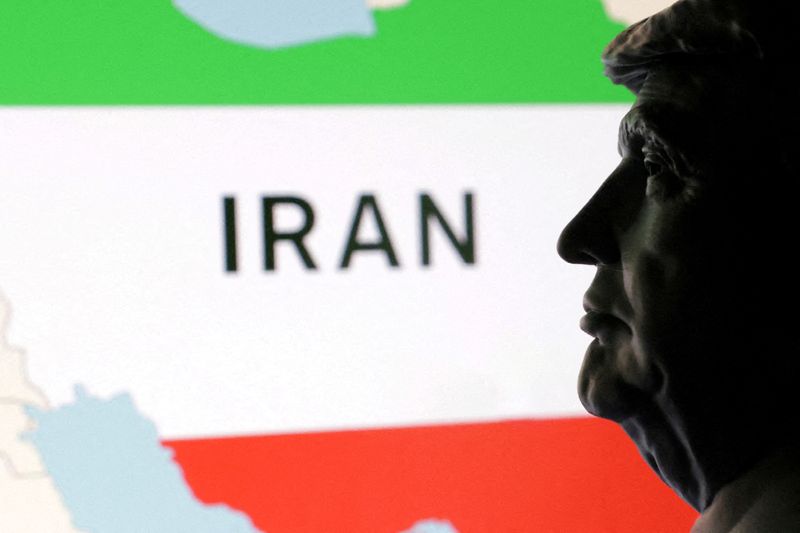
Trump said he will soon review a new Iran peace proposal, but signaled deep skepticism and warned he is not satisfied with Tehran’s terms. The article frames the situation as a fragile ceasefire with unresolved nuclear restrictions and major downside risk to oil prices if diplomacy fails. Markets remain volatile, with energy and defense sectors most exposed to escalation or a collapse in talks.
The market is treating this as a binary geopolitics event, but the cleaner trade is around volatility regime rather than directional oil exposure. When a ceasefire is fragile and diplomacy is noisy, the first move is often a relief rally, but the second-order effect is a jump in implied vol across crude, refiners, airlines, and defense names as traders price the probability distribution rather than the headline. That usually creates better entry points in options than in outright cash equity, because spot can mean-revert while realized vol stays elevated for weeks.
The biggest winner if talks fail is not necessarily the energy complex itself, but the volatility sellers who are forced to buy back hedges and the defense supply chain that benefits from delayed de-escalation. Energy infrastructure, shipping insurance, and Middle East-exposed logistics names can rerate faster than the large-cap oil majors because they have more convex earnings sensitivity to route disruptions and sanctions enforcement. On the flip side, anything with jet fuel or bunker fuel exposure will see margin compression immediately, with airlines and some industrials lagging for 1-2 quarters even if crude retraces.
The contrarian read is that the market may already be overpricing a durable Hormuz shock while underpricing diplomatic partials: even a limited reopening or temporary waiver structure can collapse the risk premium quickly. That means chasing spot oil higher from here has worse asymmetry than owning downside convexity in crude and downside protection in risk assets. The real tail risk is not a sustained energy spike, but a sharp vol crush if a face-saving interim deal emerges and shorts have to cover en masse.
For BRK.B, the direct impact is negligible, but the macro overhang matters through equity vol and portfolio marks: Berkshire tends to look better when dispersion rises and cash optionality is rewarded. If energy stress broadens into credit or cyclicals, its balance-sheet optionality becomes more valuable, even if the article itself has no company-specific angle.
AI-powered research, real-time alerts, and portfolio analytics for institutional investors.
Request DemoOverall Sentiment
strongly negative
Sentiment Score
-0.60
Ticker Sentiment
