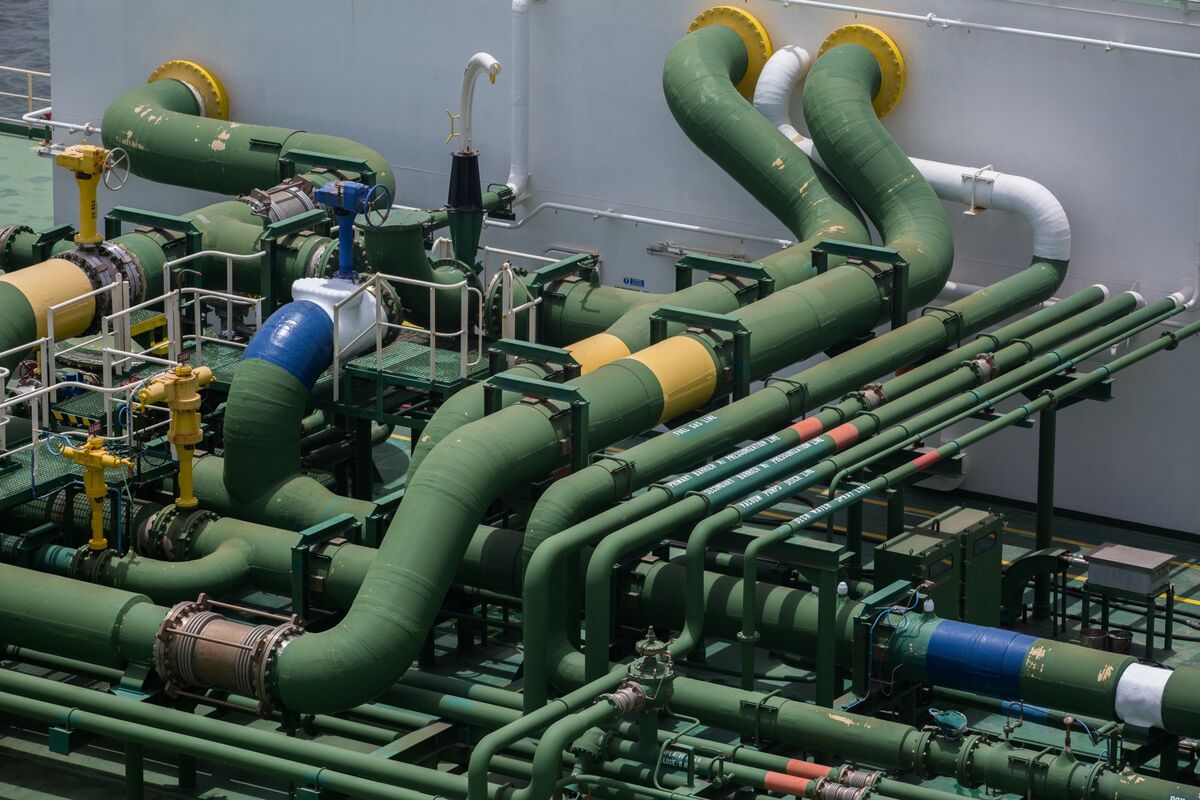
Pakistan is seeking emergency spot LNG cargoes for May 12-14 and May 24-26 delivery to relieve a domestic natural gas shortage, with hot weather adding pressure on the power grid. The move highlights supply disruption from the war in Iran, which is choking Persian Gulf LNG flows that normally account for about one-fifth of global supply. The need to buy spot cargoes for the first time in more than two years underscores elevated fuel and energy security risks.
This is a localized gas shortage story, but the market implication is broader: short-dated LNG remains a call option on weather and geopolitics, and marginal spot demand from an import-sensitive sovereign can tighten the Atlantic basin into early summer. The immediate beneficiaries are flexible cargo holders, portfolio players, and upstream gas exporters that can redirect molecules toward Asia at incrementally better netbacks; the losers are utilities and power generators in importing EMs that are already structurally undercontracted and must now compete on price into the spot market.
The second-order effect is not just higher prompt LNG prices, but a flatter willingness curve for sellers to commit cargoes forward. If this persists for several weeks, it can reprice May/June JKM relative to TTF by enough to draw incremental US exports eastward, tightening Henry Hub via higher liquefaction utilization and basis volatility. The more important risk is that one emergency tender becomes a template: other heat-stressed South Asian buyers may follow, turning a single-country shortage into a broader bid for prompt cargoes.
Catalyst timing is days, not months. The key near-term variables are tender clearing price, whether Pakistan secures full volumes, and whether regional weather remains above normal into the next 2-3 weeks; any relief there would quickly unwind spot bids. However, if disruption in the Persian Gulf worsens, this becomes a sustained supply-risk premium rather than a one-off weather trade, especially for prompt delivery windows where substitute supply is limited.
Consensus is likely underestimating the asymmetry in optionality: the market tends to price LNG scarcity only after cargoes fail to clear, but the real move often starts when distressed buyers begin paying up for reliability. That favors owning volatility over linear directional exposure, because any de-escalation in Gulf supply or moderation in temperatures can compress prompt spreads as quickly as they widened.
AI-powered research, real-time alerts, and portfolio analytics for institutional investors.
Request DemoOverall Sentiment
moderately negative
Sentiment Score
-0.45
