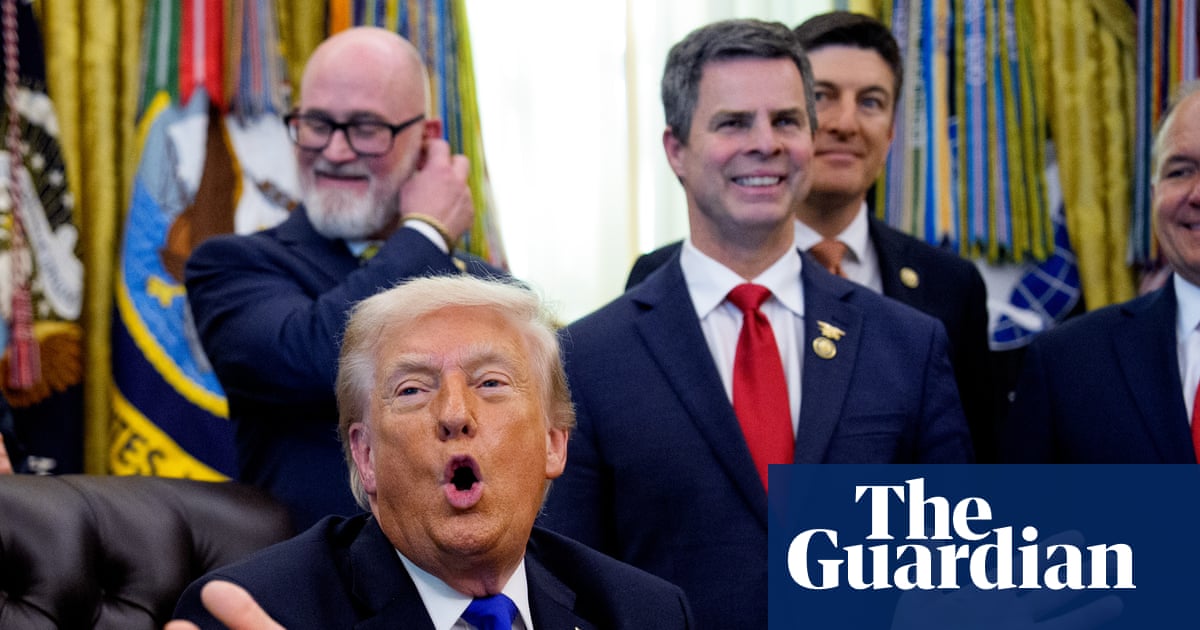
Trump threatened to withdraw US troops from Italy and Spain and reiterated possible reductions in Germany, escalating tensions with NATO allies amid the war on Iran and concerns over the Strait of Hormuz. The article also highlights mounting domestic political pressure and media-sector friction, including Senate criticism of the defense secretary and uncertainty around CBS correspondent Sharyn Alfonsi's job. The geopolitical rhetoric and troop-posturing have potential implications for defense and energy markets through heightened risk sentiment.
The market should treat this less as a headline about troop posture and more as a signal that the Iran shock is broadening into an intra-alliance stress test. The second-order risk is not just a one-off defense reallocation; it is a higher probability of persistent transatlantic friction that can impair coordination on sanctions enforcement, shipping security, and energy-routing contingencies. That matters for European cyclicals and defense primes differently: defense budgets may rise, but the near-term loser is any asset dependent on stable cross-border policy coordination and uninterrupted Gulf shipping.
The most immediate tradeable channel is energy volatility. Even without a formal supply interruption, rhetoric around the Strait of Hormuz raises the tail premium on crude, tanker rates, and marine insurance; those are cleaner expressions than outright directional oil if the market is already long geopolitical risk. A sustained increase in escort/naval activity also creates winners in defense electronics, munitions, and naval logistics, but those are usually slower to re-rate because contract flow lags the headline cycle by quarters.
The media and domestic-politics angle is a separate volatility source: when the administration leans into conflict framing, oversight and messaging risk rise, which can elevate dispersion in U.S. media names and any company exposed to political adjudication or regulatory discretion. The contrarian view is that the troop-withdrawal threat is mostly leverage, not policy intent; if so, any selloff in European defense or shipping-sensitive assets should fade once diplomacy and allied burden-sharing resumes. The key tell will be whether this evolves into actual operational changes over the next 2-6 weeks; without that, the move is mostly a risk-premium spike rather than a fundamental regime shift.
AI-powered research, real-time alerts, and portfolio analytics for institutional investors.
Request DemoOverall Sentiment
moderately negative
Sentiment Score
-0.35
