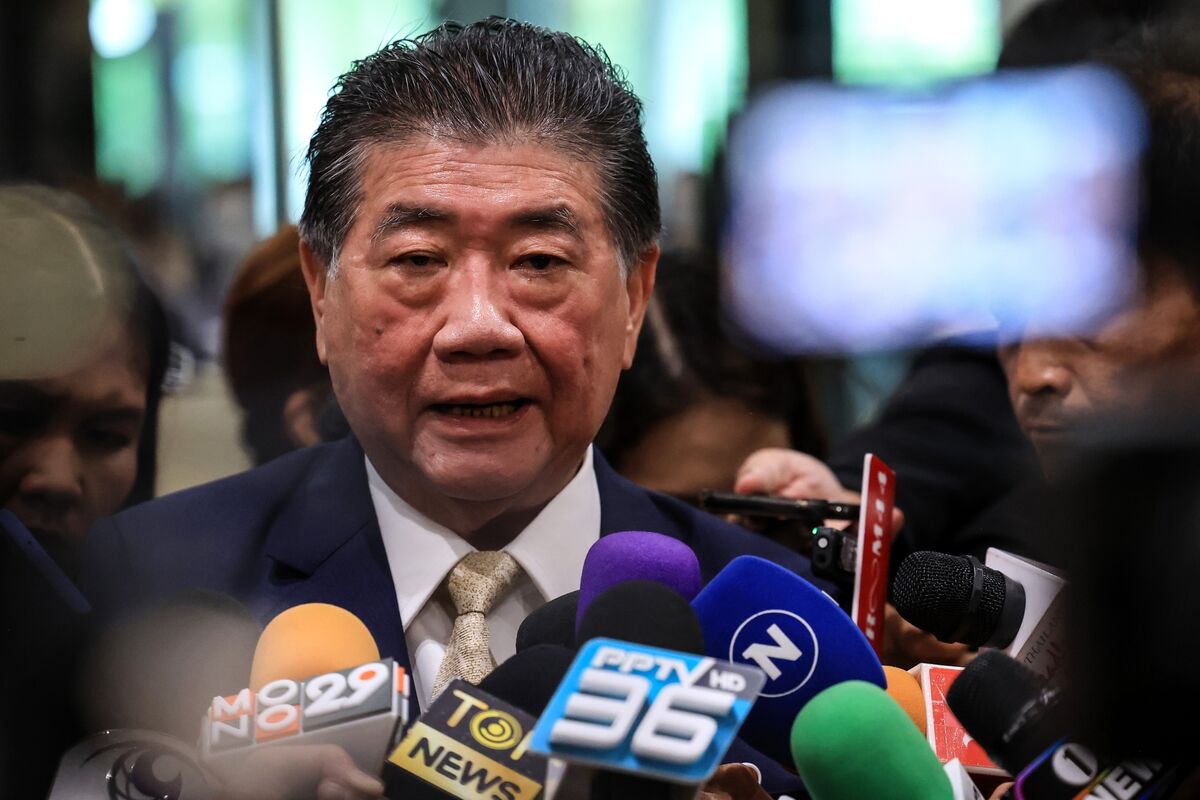
Thailand's acting Prime Minister, Phumtham Wechayachai, has moved to dissolve parliament by submitting a decree for royal endorsement, aiming to trigger an early general election. This action is a strategic maneuver to prevent a rival political group from forming a new government following the recent ouster of Prime Minister Paetongtarn Shinawatra. The development signals heightened political instability and an uncertain near-term policy outlook in Thailand.
Thailand's political landscape has entered a period of heightened uncertainty following the acting Prime Minister's move to dissolve parliament. This action, which requires royal endorsement, is a direct response to the ouster of Prime Minister Paetongtarn Shinawatra and is strategically designed to force an early general election, thereby blocking a rival faction's attempt to form a new government. The development signals a deepening political crisis, which is reflected in the moderately negative sentiment and uncertain tone associated with the news. The key implication for investors is a significant increase in near-term policy risk, as a prolonged election cycle and potential for a hung parliament could stall legislative progress and economic decision-making, impacting the overall investment climate in the country.
AI-powered research, real-time alerts, and portfolio analytics for institutional investors.
Request DemoOverall Sentiment
moderately negative
Sentiment Score
-0.50
