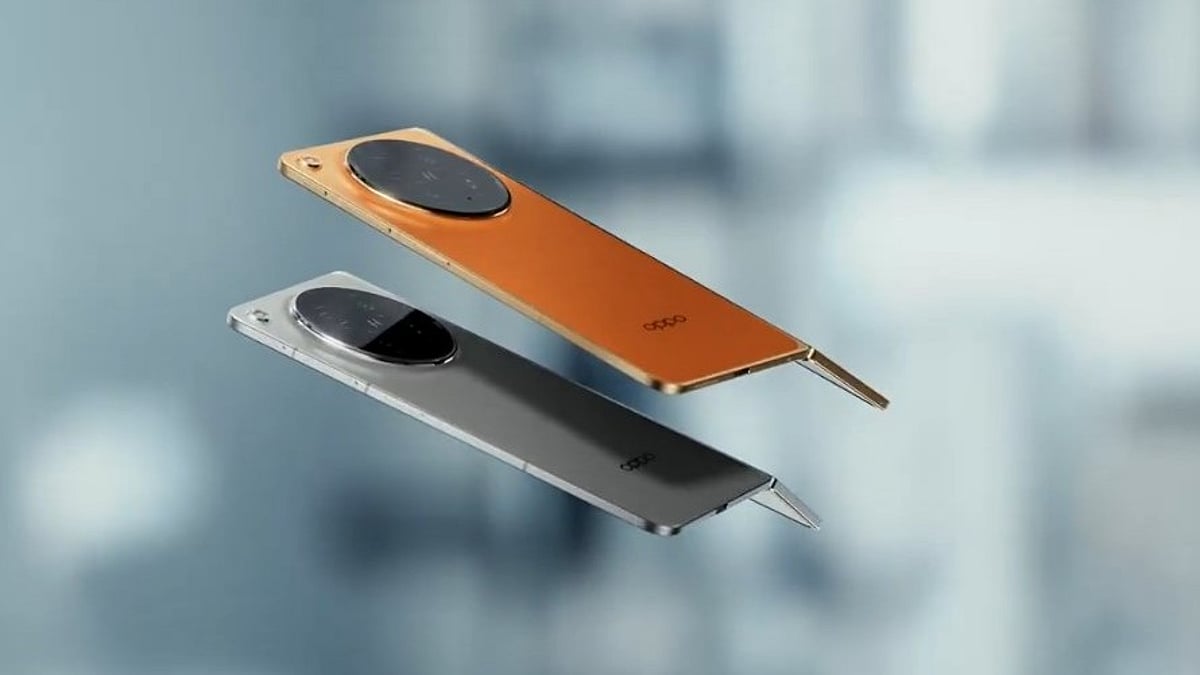
Oppo will globally debut the ultra-premium Find N6 foldable in China on March 17. The teaser highlights a 200MP Hasselblad camera, support for an Oppo AI Pen, an ultra-slim flat-back design with no visible crease and a metal hinge (likely stainless steel or titanium), and expected memory/storage SKUs of 12GB/256GB, 16GB/512GB and 16GB/1TB; the processor has not been disclosed. This is primarily a product/marketing update with limited near-term market impact beyond consumer tech interest in premium foldables and related component suppliers.
The push toward ultra-premium foldables with higher storage and 200MP-class imaging is a structural demand shock for high-density NAND and high-megapixel image sensors: if even a handful of flagship models adopt 1TB and 200MP modules, ASPs for premium NAND and sensors can re-rate by 10-25% across a 6-12 month window given constrained capex in 2024-25. Hinge metallurgy and durable cover glass choices create a parallel specialist supply chain opportunity — small precision metal suppliers and advanced cover-glass laminators will see outsized per-unit revenue vs ordinary smartphone panels, improving mix for contract manufacturers that win early design slots.
Second-order competitive effects favor component suppliers that are not vertically tied to a single OEM: independent sensor makers and standalone NAND suppliers can capture share if OEMs seek alternatives to Samsung group suppliers. Conversely, dominant foldable incumbents face margin pressure if they must match higher component ASPs or cede design wins to newer entrants offering competitive pricing. Software and stylus ecosystems remain the gating factor for mainstream substitution; superior hardware without mature multitasking/pen workflows will cap share gains to enthusiasts rather than enterprise users over 6-18 months.
Key tail-risks are demand elasticity in the >$1,000+ segment and a brief but sharp shortage in specialty components (titanium hinges, 1TB NAND, 200MP sensors) that could push street estimates around inventory and delivery timelines; those would show up as 10-20% EPS volatility in affected suppliers within a single quarter. A catalyst calendar worth watching is the next wave of global reviews and carrier promotions (next 1-3 months) — positive reviews that validate crease-free foldables and pen workflows can materially accelerate adoption, while software/UX criticisms will quickly dampen the premium pricing power.
AI-powered research, real-time alerts, and portfolio analytics for institutional investors.
Request DemoOverall Sentiment
neutral
Sentiment Score
0.00
