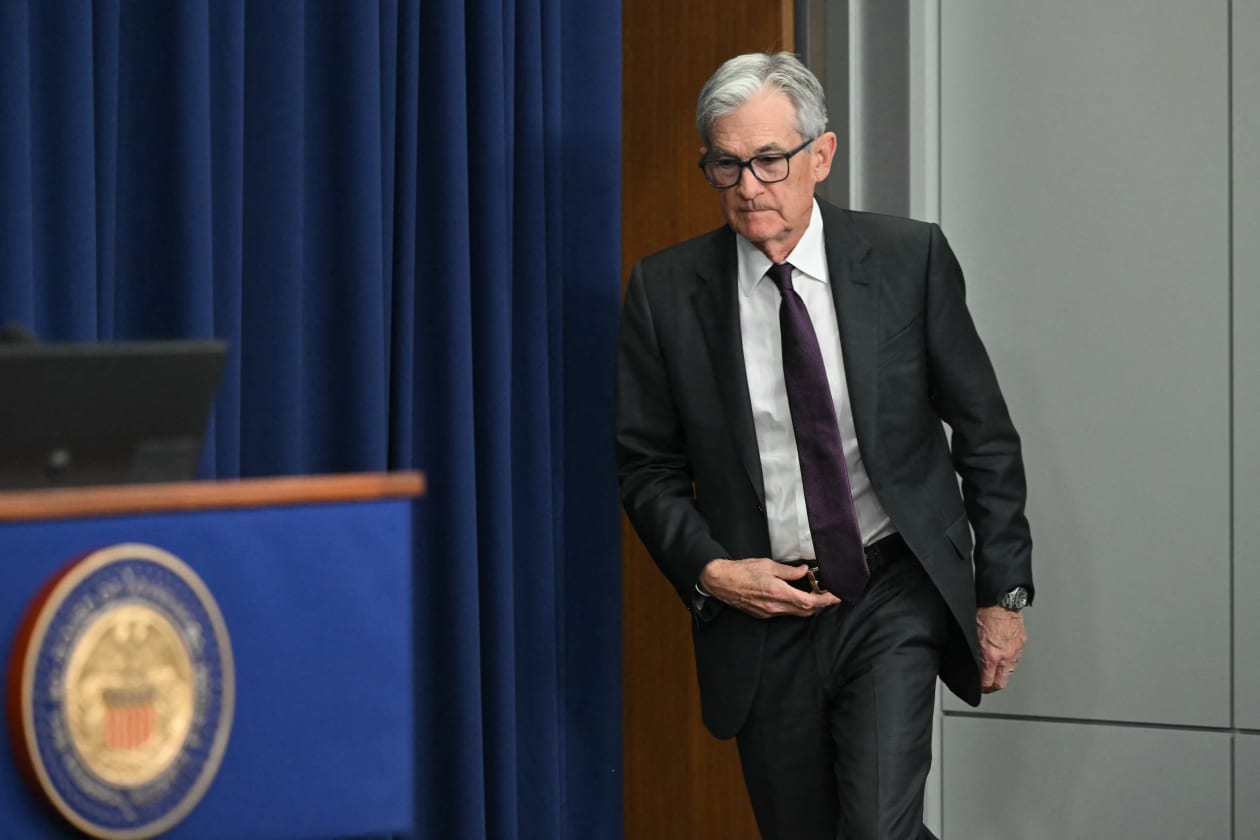
Fed minutes showed “strongly differing views” over a potential December rate cut: many officials favored holding policy to avoid rekindling sticky inflation and to preserve commitment to the 2% target, while most still expected rates to come down over time and a subset argued for cuts to guard against a possible sharp rise in unemployment. Several participants said progress on inflation had “stalled” and did not support the October 25bp cut (the October vote was 10-2, with Stephen Miran seeking a larger cut and Kansas City Fed President Jeff Schmid voting to hold), and officials noted elevated uncertainty as the prolonged government shutdown impaired data assessment. Fed staff warned tariff increases would add upward pressure to inflation in 2025–26 even as they project a lower unemployment rate next year, leaving policymakers split and markets facing continued policy uncertainty ahead of the Dec. 9–10 meeting.
Minutes from the recent Fed meeting show “strongly differing views” on a December cut, with many officials favoring holding policy to avoid rekindling sticky inflation and others (including a majority view that rates will fall over time) signaling conditional support for cuts. The committee’s October 10–2 vote to cut 25 basis points — with Stephen Miran favoring a larger cut and Kansas City Fed President Jeff Schmid voting to hold — underscores the current two-sided dissent and the narrow margins shaping policy decisions.
Officials in the rate-cut camp emphasized cuts as insurance against a potential sharp rise in unemployment, while opponents warned that additional easing could be misinterpreted and risk persistent inflation; several participants explicitly said progress on inflation had “stalled.” Fed staff flagged that tariff increases are expected to add upward pressure on inflation in 2025–26 even as they project a lower unemployment rate next year, highlighting competing forces on the outlook.
Policymakers noted elevated uncertainty driven by the prolonged government shutdown impairing data assessment, leaving markets exposed to volatility heading into the Dec. 9–10 meeting. Investors should expect a data-dependent Fed, heightened sensitivity to incoming labor and inflation prints, and the possibility that tariff developments will materially influence the medium-term inflation path.
AI-powered research, real-time alerts, and portfolio analytics for institutional investors.
Request DemoOverall Sentiment
mildly negative
Sentiment Score
-0.25
