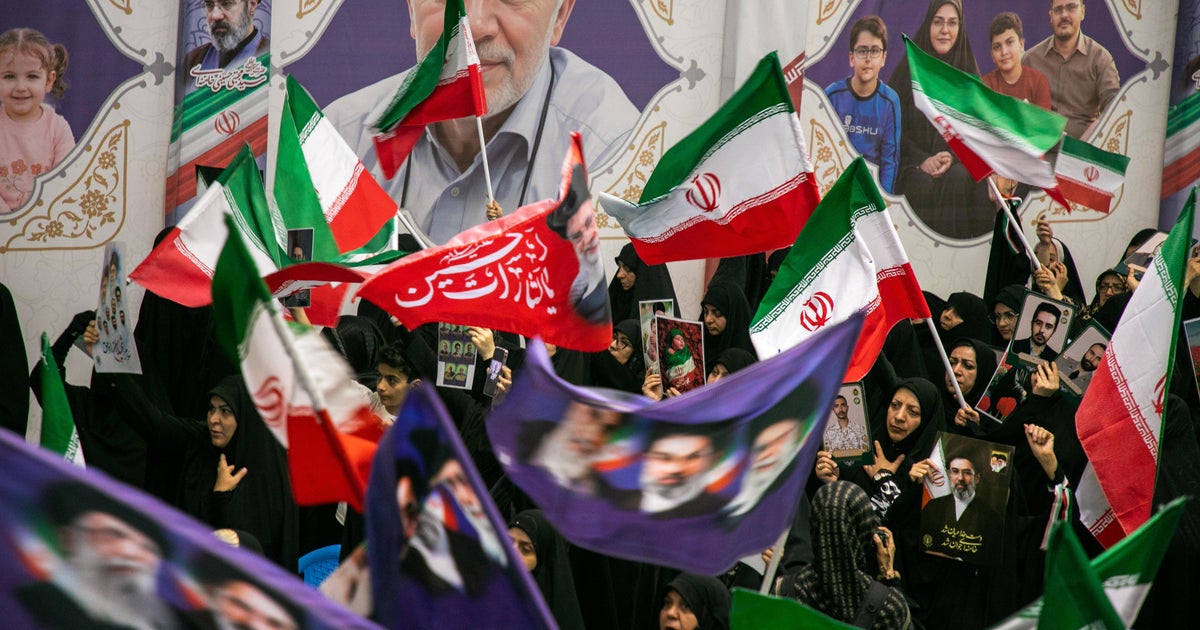
The Iran conflict remains highly volatile, with fresh U.S. self-defense strikes on missile sites and Iranian boats, Iran claiming it downed another MQ-9 drone and fired on an F-35, and Israeli strikes in Lebanon killing 12. Secretary Rubio said a deal with Iran is still possible, but also insisted the Strait of Hormuz must reopen "one way or the other," underscoring major escalation risk for oil, shipping, and broader regional markets. China and other actors are pressing for a fragile ceasefire to hold, but the article points to renewed military exchanges and elevated geopolitical shock risk.
The market is underpricing how quickly this can migrate from a geopolitical headline to a logistics and inflation shock. The Strait of Hormuz is the critical transmission channel: even without a formal closure, intermittent harassment of tankers, mine-laying risk, and insurer repricing can tighten effective supply within days, widening Brent time spreads before outright prices fully react. That makes the first-order winner not just energy producers, but also shipping, insurance, and defense names with contracts tied to elevated threat conditions.
The bigger second-order effect is on policy credibility. If Washington is signaling both escalation and a willingness to keep talking, the base case becomes a wider risk premium but not yet a full-blown embargo scenario. That is bearish for EM importers, especially India, Turkey, and parts of Southeast Asia, where FX and current-account pressure can force central banks into defensive tightening even if domestic growth is already soft.
A useful contrarian read is that the most crowded trade may actually be the simplistic long-oil expression. If the ceasefire holds for even a few sessions, crude can mean-revert faster than equities because physical barrels are still flowing and the bottleneck is risk premium, not destroyed supply. The better asymmetry is in optionality: own upside convexity on energy and defense, but fade high-beta transports, airlines, and EM FX where the downside is more persistent if the shipping corridor stays politicized for weeks rather than days.
AI-powered research, real-time alerts, and portfolio analytics for institutional investors.
Request DemoOverall Sentiment
strongly negative
Sentiment Score
-0.75
