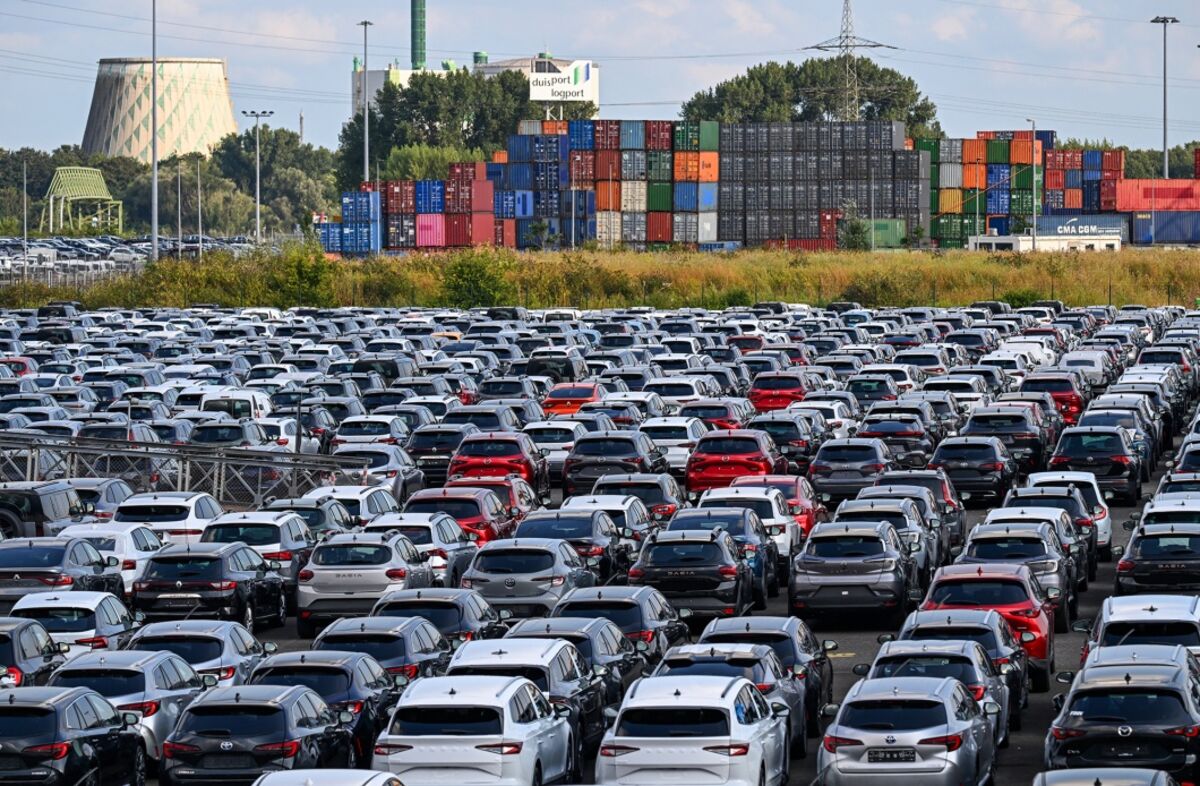
A provisional US-EU trade deal faces significant hurdles, primarily concerning car and agricultural tariffs, as negotiators work towards an agreement in the coming days. The EU is pushing for agricultural tariffs no higher than 10% and has rejected a proposed offset mechanism for carmakers, fearing it could incentivize production shifts to the US. Instead, the focus remains on resolving direct car tariff disagreements, underscoring the complex points of contention for a near-term resolution.
Negotiations for a provisional US-EU trade agreement are at a critical stage, with significant disagreements centered on the automotive and agricultural sectors. The European Union has specifically rejected a proposed offset mechanism that would grant tariff relief to carmakers in exchange for US investments, signaling a firm stance to prevent a potential shift in production from Europe to the US. Instead, discussions are focused on direct car tariff levels, which remain a key point of contention. In parallel, the EU is seeking a definitive cap on US tariffs for its agricultural exports, demanding a rate no higher than 10%. The 'mildly negative' sentiment and 'uncertain' tone of the situation highlight the difficulty in bridging these fundamental differences, with the outcome carrying moderate market impact, particularly for sectors heavily exposed to transatlantic trade.
AI-powered research, real-time alerts, and portfolio analytics for institutional investors.
Request DemoOverall Sentiment
mildly negative
Sentiment Score
-0.30
