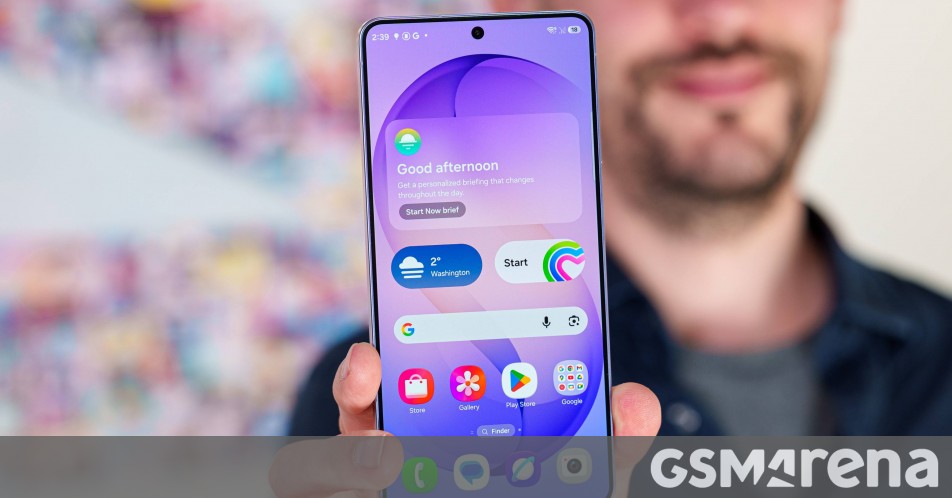
Pre-order volume for Samsung's Galaxy S26 series in the US is up nearly 25% across channels; the S26 Ultra accounts for 80% of US pre-orders (vs. 70% in Korea) while the S26 and S26+ combined represent ~20%. Samsung credits social buzz around the Privacy Display and AI features (Nightography, Generative Edit, Super Steady) for driving demand; incentives include a free storage upgrade and up to $900 trade-in credit and pre-orders end today.
A concentrated shift of demand into the highest-margin SKU has an outsized P&L effect: a persistent 5–10 percentage-point increase in premium-model mix typically lifts blended smartphone ASP enough to add low-single-digit percentage points to device-segment operating margin within two fiscal quarters, mainly via higher BOM value capture and accessory/upgrade attach rates. That mechanically favors suppliers of high-capacity NAND/LPDDR and premium camera modules, and it can meaningfully reduce inventory days if demand is real rather than promotional pull-forward.
The supply-chain transmission is lumpy and front-loaded. Expect quarter-over-quarter upside for component suppliers that can flex capacity quickly (image sensors, high-density NAND, premium AMOLED drivers) over a 3–6 month window, while commodity parts (passive components, standard glass) see little benefit; bottlenecks will show up as longer lead-times and price integrity for the constrained parts, supporting supplier margins and select semi stocks in the near term.
Key risks that could reverse the setup are promotional distortions and post-launch returns: generous trade-in credits can inflate pre-order counts and then compress realized selling price on final conversion, creating 30–60 day downside volatility once sell-through data starts to flow. The clean readouts to watch are first-month sell-through vs. sell-in, SKU-level channel inventory trends, and carrier subsidy clawbacks — any material miss there will flip sentiment quickly and pressure both OEM and retail-facing names.
From a positioning standpoint this is not a generic demand signal for the whole smartphone market but a concentration into high-end buyers; if adoption doesn’t broaden, the upgrade cycle could compress and leave future quarters exposed. That nuance argues for targeted exposure to fast-responding component suppliers and retailers rather than broad long-only beta on consumer electronics.
AI-powered research, real-time alerts, and portfolio analytics for institutional investors.
Request DemoOverall Sentiment
moderately positive
Sentiment Score
0.45
