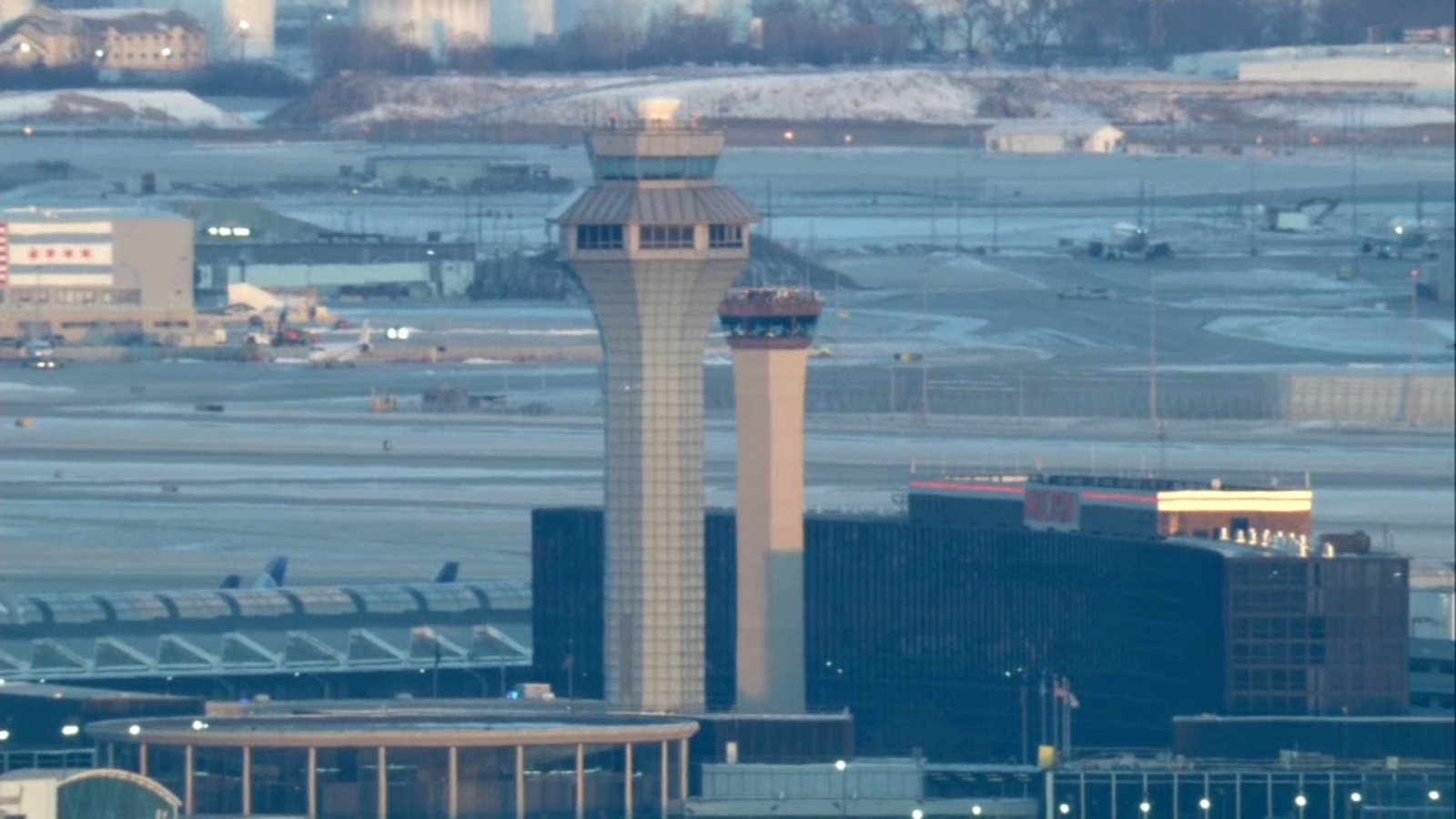
A burst water pipe at O'Hare forced evacuation of the airport's control tower around 1 a.m., with air traffic operations shifted to an office building and the north and south towers assuming control; the evacuation lasted about an hour. The incident produced hundreds of flight delays and a few cancellations, with delays persisting into the late morning (about 30 minutes on average as of 11 a.m.), and the FAA is inspecting the tower for possible equipment damage.
Market structure: The immediate winners are ground handlers, insurance underwriters (small uptick in claims), and diversified national carriers that can pick up displaced passengers; the losers are airlines concentrated at ORD (notably UAL and AAL) who incur re‑accommodation and crew-costs. A 1‑hour evacuation with “hundreds” of delays and lingering 30‑minute average delays through late morning implies measurable short‑term unit‑cost pressure (fuel/crew/compensation) concentrated in next 24–72 hours, but negligible long‑run pricing power shifts absent repeated events.
Risk assessment: Tail risks include a multi‑day ATC/tower outage or damaged FAA equipment triggering regulatory fines, class actions, or mandated capital upgrades — each could impose $10s–100sM on carriers/municipals over quarters. Immediate window: hours–days of operational disruption; short (weeks–months): higher O&M and insurance costs for hub carriers; long (quarters–years): potential municipal or federal capex to harden infrastructure (procurement cycles 6–24 months).
Trade implications: Tactical plays favor short, time‑limited exposure to ORD‑centric airline equities (UAL, AAL) and relative longs in more diversified carriers (DAL, LUV) or travel intermediaries that capture rebooking fees (EXPE). Options strategies: buy 2–6 week put spreads on UAL/AAL sized 0.5–1% NAV to hedge event risk; consider selling very short‑dated vol on JETS ETF if IV spikes >50% above realized and you can size for gamma.
Contrarian angles: The market will likely overprice short‑term headline risk; a single hour evacuation with limited cancellations is unlikely to reprice credit (spreads) materially — selling near‑dated airline volatility after the initial pop is sensible. Longer term, if FAA inspection reveals equipment damage, procurement winners (RTX, LMT, LDOS) could see accelerated RFPs; this is the scenario where durable winners emerge over 6–18 months.
AI-powered research, real-time alerts, and portfolio analytics for institutional investors.
Request DemoOverall Sentiment
mildly negative
Sentiment Score
-0.25
