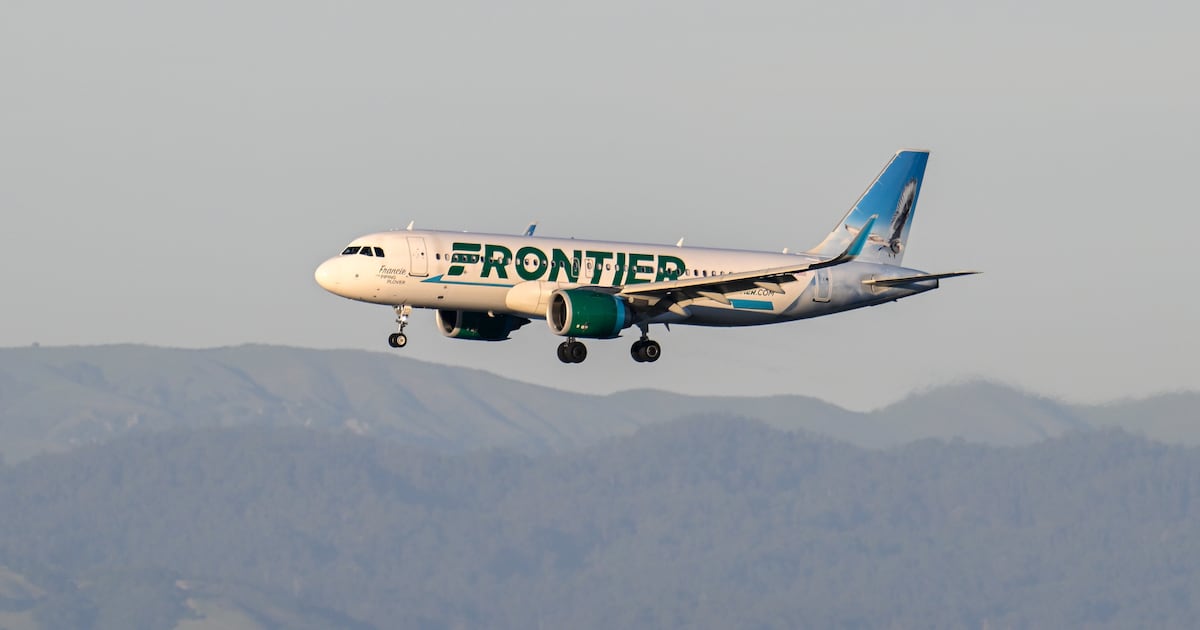
A Frontier Airlines flight at Denver International Airport struck a person on the runway on May 8, triggering an engine fire, cabin smoke, and an emergency evacuation of all 224 passengers and seven crew members. The aircraft was reportedly traveling about 139 mph at impact, and the victim was not named. The incident is highly negative for safety optics but is likely to have limited direct market impact unless investigations reveal broader operational issues.
This is a near-term headline shock, but not a first-order earnings event for airlines unless it becomes a litigation/regulatory catalyst. The bigger issue is that it reinforces the market’s least favorite asymmetry in travel: one operational failure can create outsized reputational damage, crew fatigue, and incremental scrutiny around safety procedures, all of which raise cost and delay risk across the sector even when the incident is isolated.
The second-order winner is airport security and perimeter-hardening spend. Expect a renewed push by airports and municipalities to justify capex on fencing, surveillance, runway intrusion detection, and emergency-response systems; that’s a multi-quarter procurement cycle, which is more durable than the news flow. Airlines themselves can face a temporary booking drag from risk-sensitive leisure travelers, but the more meaningful effect is on premium cabin and business-travel willingness to pay if the story gets replayed widely.
The contrarian read is that the market may overestimate the medium-term equity impact on carriers if the incident is treated as a one-off trespass rather than a systemic safety trend. In that case, any post-headline selloff in airline names should fade within days to weeks, while ancillary safety and airport-services vendors could see a longer tail over 6-18 months as budgets get reprioritized. The key catalyst to watch is whether regulators or airport operators announce concrete perimeter upgrades; absent that, the trade is more sentiment-driven than fundamentals-driven.
From a risk standpoint, the lawsuit/settlement overhang could persist for months, but liability likely sits more with airport operations and insurer layers than with the airline’s core demand story. The main downside tail is if there are follow-on investigations showing broader procedural gaps, which would shift this from a one-off incident to a policy event and extend the de-rating across the sector.
AI-powered research, real-time alerts, and portfolio analytics for institutional investors.
Request DemoOverall Sentiment
strongly negative
Sentiment Score
-0.80
