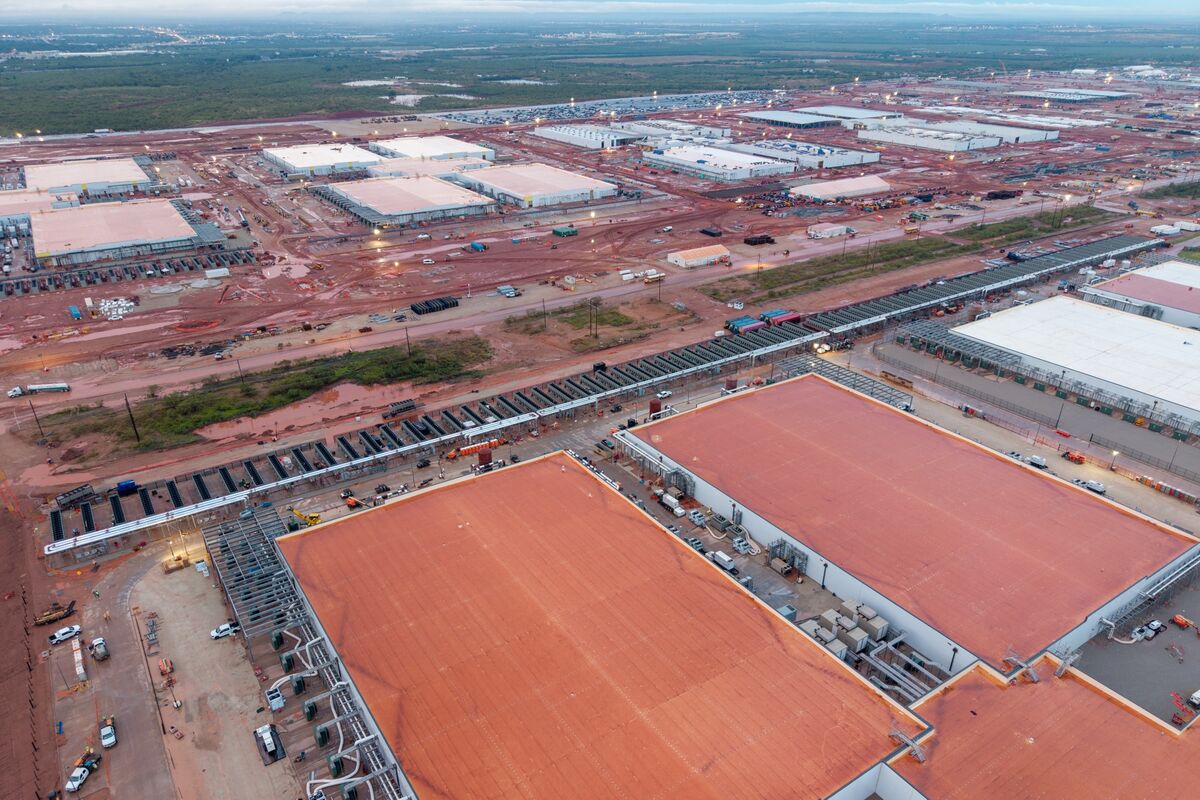
A study by the AI Energy Score project (Hugging Face and Salesforce) finds AI 'reasoning' models consume substantially more power, using on average 100x more energy to answer 1,000 text prompts compared with non-reasoning variants across 40 open models from providers including OpenAI, Google and Microsoft. The researchers highlight extreme disparities — a DeepSeek R1 slim model used ~50 Wh with reasoning disabled versus ~308,186 Wh with reasoning enabled — raising concerns about data-center energy demand, grid strain and sustainability costs that could affect operational expenses and regulatory scrutiny for large-scale AI deployments.
Market structure: Reasoning-capable models (100x energy in tests) reallocate economic value toward GPU/hardware vendors and low-cost power holders while pressuring cloud operators’ opex. Winners: GPU vendors (NVDA/AMD), data centers with PPAs and price-setting power, and utilities/renewable developers that can monetize higher baseload demand; losers: cloud providers with weaker ability to pass through costs (near-term pressure on margins for Alphabet/GOOGL). Competitive dynamics will favor vertically integrated players and software optimizers that reduce inference cost, shifting share to vendors that bundle hardware+efficiency software within 6–24 months.
Risk assessment: Tail risks include regulatory caps on energy use for AI, accelerated carbon pricing or grid curtailments in high-adoption regions, and localized brownouts that throttle services — plausible within 12–36 months if adoption surges. Immediate risk (days–weeks) is headline-driven volatility; short-term (3–12 months) is margin compression; long-term (12–36 months) depends on algorithmic/hardware efficiency breakthroughs (distillation, sparsity) that could cut energy need by >90%. Hidden dependencies: PUE, contract power pricing, and cloud pass-through contracts; catalysts include GPU supply tightness, major efficiency papers, and FERC/IEA guidance.
Trade implications: Direct plays are long GPU/accelerator exposure and power/renewables (12–24 months), defensive or hedged short exposure to large cloud incumbents unable to pass costs. Options: use 6–12 month call spreads on NVDA to express demand with defined risk and buy short-dated puts on Alphabet (GOOGL) to hedge headline risk. Sector rotation should overweight utilities/renewables and semis, underweight unhedged cloud margin names over next 3–12 months.
Contrarian view: The market may overstate permanent energy draw — historical parallels (Bitcoin) show capex and software innovation can neutralize energy shocks within 12–24 months. Mispricings: temporary premium on cloud defensives and undervaluation of firms offering efficiency layers (model compilers, sparsity tools). Unintended consequence: accelerated investment in local renewables and storage creates multi-year winners in grid upgrade contractors and battery suppliers; monitor GPU spot rents, PUE guidance, and cloud energy line items over next 30–90 days for entry signals.
AI-powered research, real-time alerts, and portfolio analytics for institutional investors.
Request DemoOverall Sentiment
moderately negative
Sentiment Score
-0.45
Ticker Sentiment
