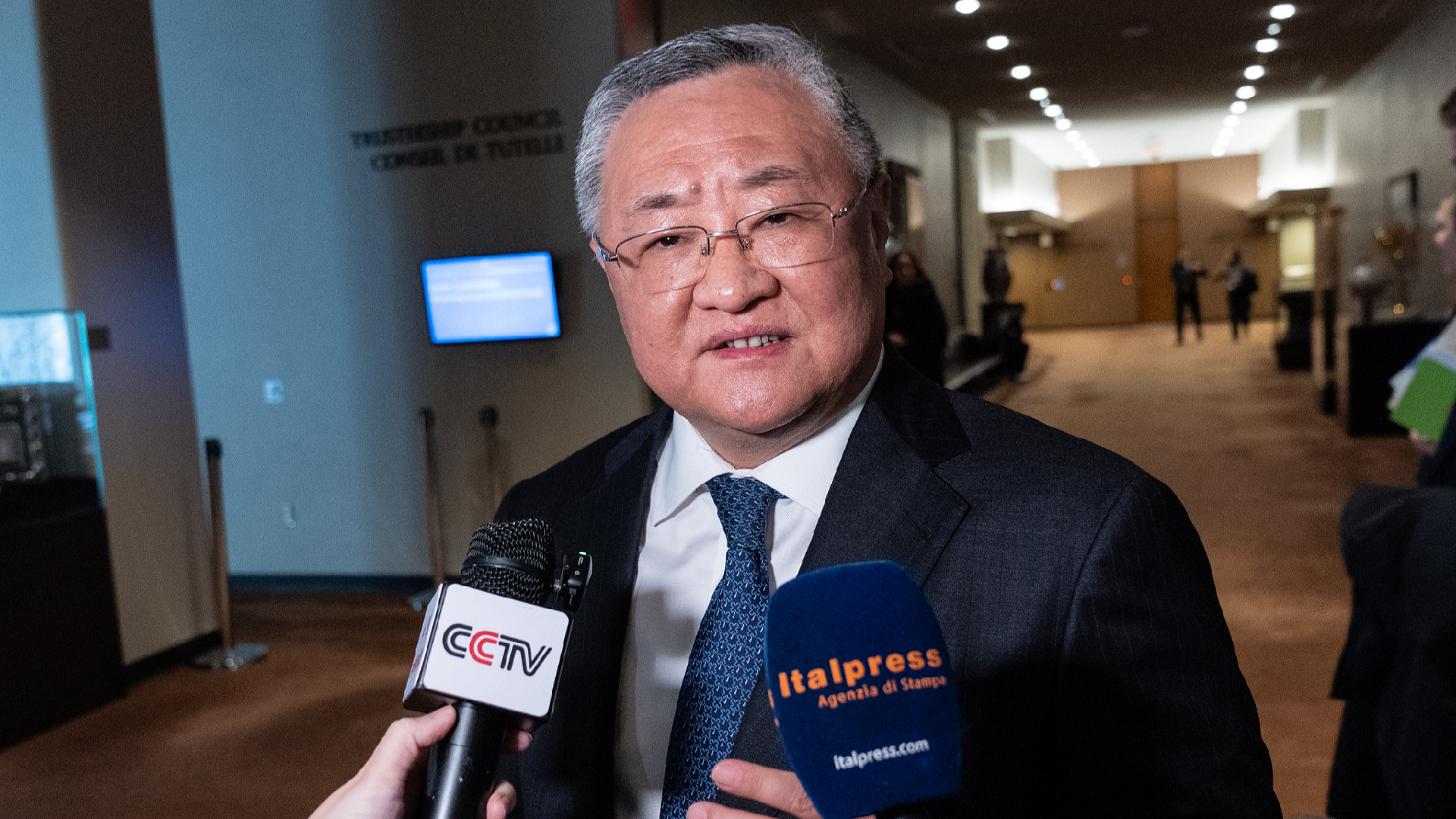
China used its veto on April 7 to block a UN Security Council draft resolution on reopening the Strait of Hormuz, arguing the move helps prevent further escalation of the Iran-U.S.-Israel conflict. Fu Cong said the resolution failed to address root causes and warned against actions that could legitimize force, while calling for a ceasefire and renewed dialogue. The article implies continued risk to a key global shipping chokepoint and regional stability, with potential spillover for energy and freight markets.
The market implication is not the veto itself; it is the signal that the Strait is now a bargaining chip in a broader great-power mediation game rather than a clean maritime-security issue. That raises the probability of a prolonged “managed risk premium” in crude, shipping insurance, and regional logistics rather than a one-day spike and fade. The first-order beneficiaries are not just upstream energy assets but also non-OPEC exporters with swing capacity and balance sheets able to absorb volatility.
The more interesting second-order effect is on freight and inventory behavior. If carriers believe any security framework will be politically contested, they will front-load sailings, widen voyage assumptions, and demand higher war-risk premiums, which squeezes importers long before physical flow disruption shows up in volumes. That favors tanker rate volatility, select marine insurers, and defense/logistics names tied to escort, surveillance, and port security over generic defense primes.
Consensus may be underestimating how quickly this can feed into EM macro stress. Gulf importers and energy-sensitive Asian economies will face a terms-of-trade tax if crude stays bid for several weeks, which can pressure FX and local rates even without an actual closure. The contrarian point is that a diplomatic path can still cap the move, but only if the next 2-6 weeks produce visible compliance and a credible maritime security mechanism; otherwise the market should price a higher tail probability of intermittent disruption through quarter-end.
AI-powered research, real-time alerts, and portfolio analytics for institutional investors.
Overall Sentiment
mildly negative
Sentiment Score
-0.12
