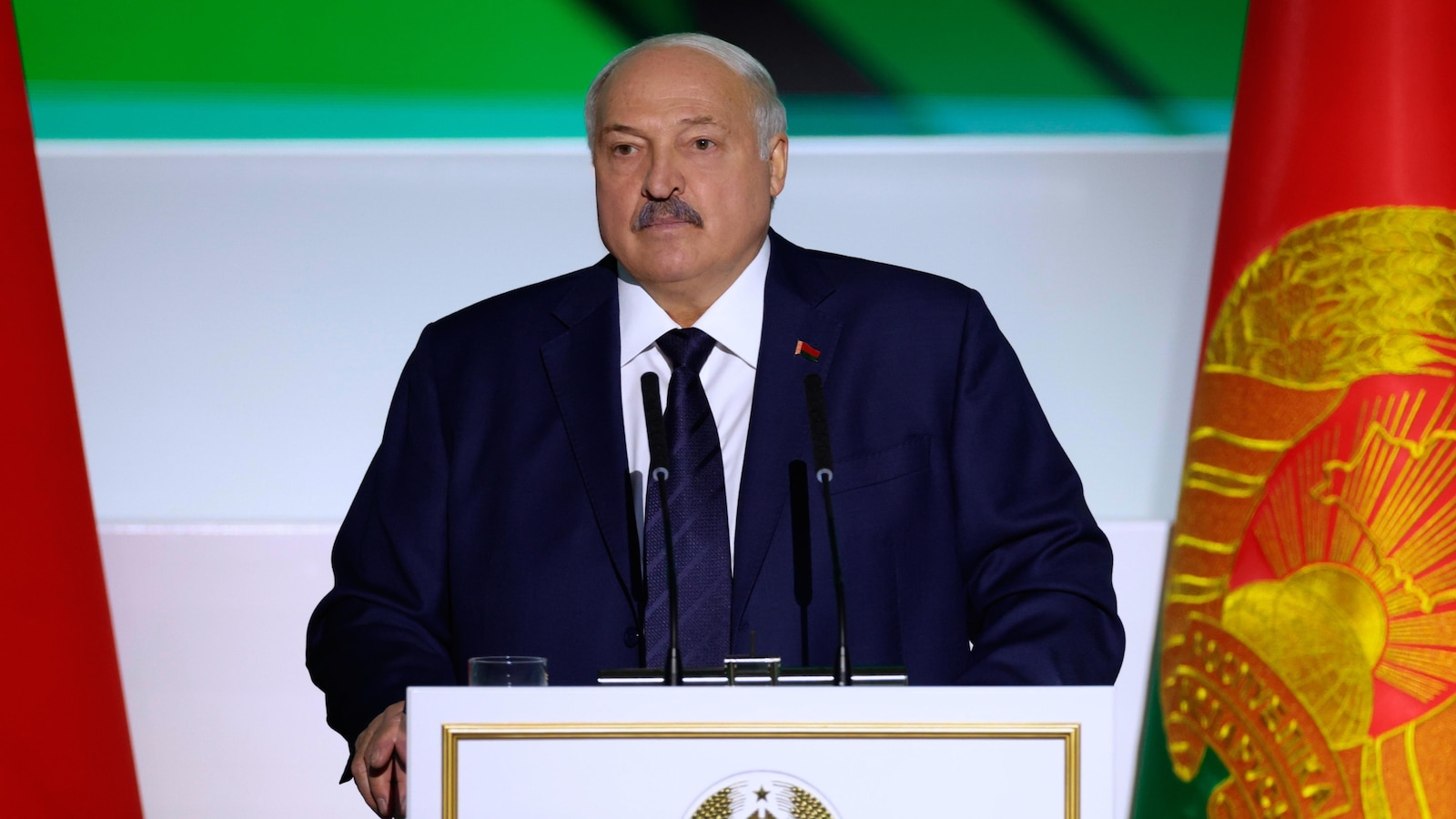
Belarusian President Alexander Lukashenko said Russia has deployed its latest nuclear-capable Oreshnik intermediate-range ballistic missile system to Belarus and that it is entering combat duty, though he gave no deployment numbers or technical details. Russian President Vladimir Putin has similarly announced the system will enter service this month; Moscow has previously tested a conventionally armed Oreshnik and revised its nuclear doctrine in 2024 to lower thresholds for nuclear response, while Belarus remains under a Russian nuclear umbrella. The deployment raises regional escalation and geopolitical risk premiums for investors, could alter defense and sanctions dynamics in Eastern Europe, and comes against a backdrop of diplomacy that recently included U.S.-Belarus deals tied to potash exports and the release of political prisoners.
Market structure: Deployment of Russia’s Oreshnik to Belarus is a demand shock for integrated air/missile defense and long-range strike systems. Primary beneficiaries are large defense primes with production capacity scale (Lockheed LMT, Raytheon/RTX, Northrop/NOC, General Dynamics/GD) and European missile/air-defence suppliers; energy producers (XOM, CVX) and gold (GLD) get tactical safe-haven/commodity upside. Losers include Belarus/Russia risk assets, NATO-adjacent sovereigns (Poland equities/PLN pressure), and Western potash producers if Belarus supply re-enters markets, pressuring prices. Risk assessment: Tail risks include nuclear escalation (low probability, catastrophic) that would trigger >10% intraday equity shocks, oil spike >20% and flight-to-quality into Treasuries and gold. Immediate (days): spikes in FX and VIX; short-term (weeks–months): defense order flow and commodity repricing; long-term (quarters–years): supply-chain realignment and increased defense budgets. Hidden dependencies: Belarus potash normalization can materially increase global fertilizer supply and depress prices; Russian energy/fertilizer export resilience is a binary catalyst. Trade implications: Tactical trades favor 6–12 month overweight in defense primes financed by tightening position in Eastern European EMs and potash exposure. Use options to buy defined-risk upside (call spreads) on LMT/RTX and buy cheap tail hedges (3-month SPX 5% OTM puts or VIX call stacks) sized 0.25–1% depending on risk appetite. Monitor commodity signals (Brent +10% or global potash price down 8%) to rotate between energy/commods and agribusiness shorts. Contrarian angles: Consensus risk-off may be overdone if deployment is signaling deterrence not imminent use; defense equities often price multi-year budget hikes well before orders, so some names may be richly valued — avoid pay-up. Mispricing: Russian sovereign/commodity exporters trade with extreme discounts; a controlled détente or peace deal reversal could snap these higher (high risk). Unintended consequence: restored Belarus potash supply could lower fertilizer-linked inflation, compressing commodity-sensitive inflation hedges and bond-duration trades.
AI-powered research, real-time alerts, and portfolio analytics for institutional investors.
Request DemoOverall Sentiment
moderately negative
Sentiment Score
-0.40
