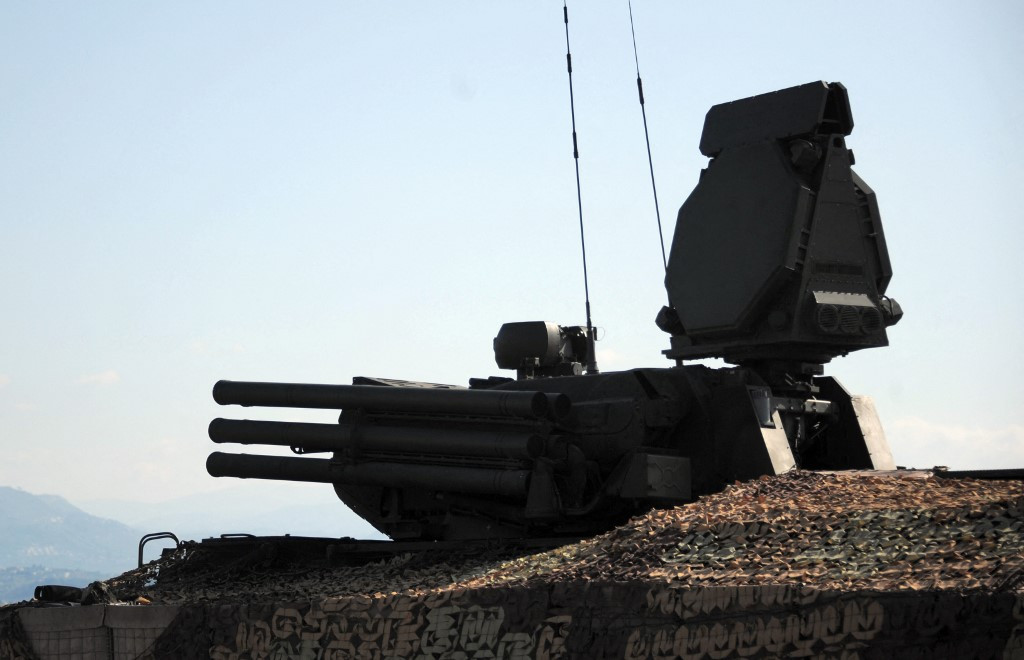
Ukrainian drones struck an FSB headquarters in occupied Kherson region, with Zelensky saying the operation caused around 100 Russian casualties and destroyed a Pantsir-S1 air defense system. The attack highlights ongoing escalation in the war and the vulnerability of Russian military infrastructure in occupied territory. While not a direct market event, it reinforces geopolitical risk across regional defense and energy assets.
This is tactically negative for Russia’s rear-area security architecture, but the larger market signal is that the conflict is still capable of degrading localized air-defense and command nodes well behind the front. That matters because it raises the expected cost of occupation and forces Moscow to divert higher-value defensive assets away from other theaters, which can incrementally loosen protection around logistics corridors, energy infrastructure, and ports over the next several weeks.
The second-order effect is not just military attrition; it is operational dispersion. If Russia has to reassign short-range air defenses to protect command sites in occupied areas, the marginal defense of export infrastructure in the Black Sea and around the Azov littoral deteriorates, which is a mild positive for any assets sensitive to Ukrainian counter-pressure and a negative for Russia-linked transport and repair activity. The market should also price in more frequent retaliation cycles: these events tend to cluster, with elevated headline risk for 2-6 weeks after a successful strike.
The contrarian read is that this is bearish only if investors believe escalation materially widens. Absent a broader geographic expansion, strikes like this often strengthen the perception that occupied territory is costly to hold without changing the strategic endgame, which can eventually nudge negotiations or force a more defensive Russian posture. The bigger risk is accidental spillover into critical cross-border energy or maritime assets, which would shift this from a tactical war-news trade into a regional risk premium event.
For portfolios, the most actionable expression is through optionality rather than outright risk. The asymmetric setup favors buying upside protection on Europe-sensitive cyclicals and on Russian-exposed names, while fading any knee-jerk bid in defense primes that is not backed by a higher order-book outlook. Over a 1-3 month horizon, the trade is about maintaining optionality for a volatility spike, not betting on a durable regime change.
AI-powered research, real-time alerts, and portfolio analytics for institutional investors.
Request DemoOverall Sentiment
mildly negative
Sentiment Score
-0.25
