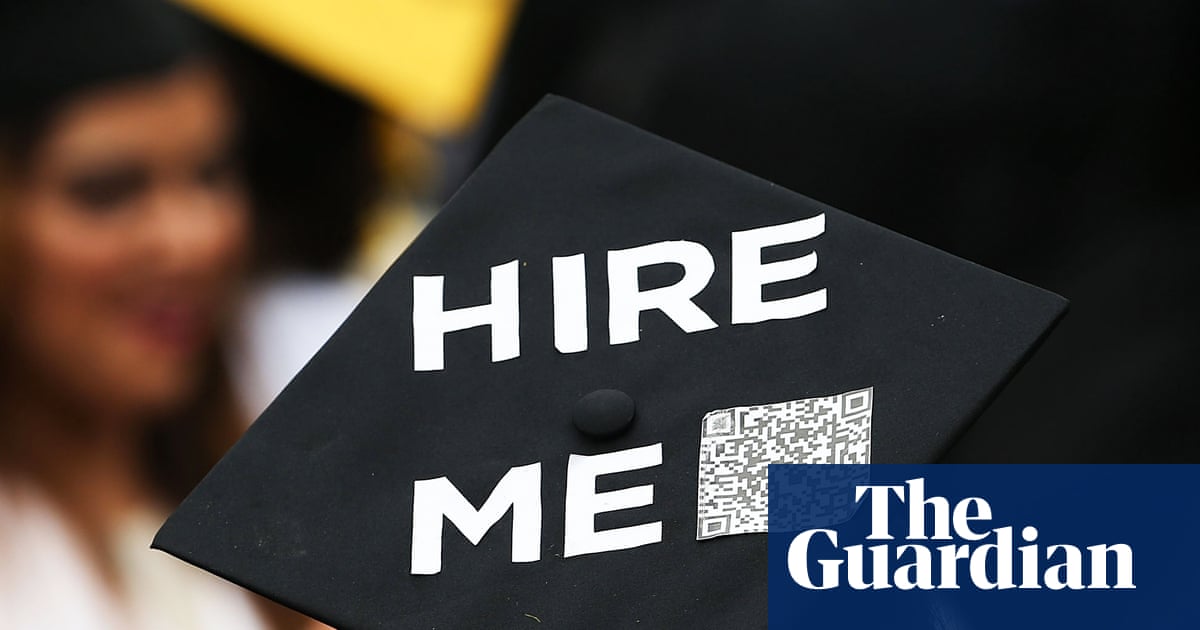
The article says the college graduate underemployment rate has reached 42.5%, its highest level since 2020, underscoring a weak entry-level labor market. Graduates report more rejection, ghosting, AI-driven resume filtering, and higher experience requirements for nominally entry-level roles. The piece points to tighter hiring conditions and structural barriers rather than a single company-specific issue.
The deeper message is not just weak hiring — it is a collapse in the conversion rate from education to productive labor, which is a leading indicator for softer wage growth in the 6-12 month window. When employers tighten screening and outsource more of the filtering to software, they reduce the cost of rejecting marginal candidates but also create a bigger pool of underutilized labor that competes on price, pushing down starting salaries before it shows up in headline unemployment. That is negative for human-capital-heavy discretionary spending and for firms selling “career mobility” solutions that depend on high placement rates.
The second-order winner is not necessarily AI itself, but vendors that monetize employer caution: workflow automation, applicant filtering, upskilling, and credentialing platforms. If firms are unwilling to train, they will instead buy tools that compress recruiting expense and reduce bad hires, which supports enterprise software budgets even in a weak labor backdrop. Conversely, staffing firms and temp agencies are exposed to a delayed-demand problem: once graduates accept lower-quality roles, churn falls, which can suppress placement volumes for multiple quarters.
The contrarian view is that this may be cyclical scar tissue rather than a structural break. If rate cuts or a modest improvement in business confidence occur, entry-level hiring should normalize faster than mid-career hiring because graduates are the cheapest labor pool to re-open. That creates a tactical setup: labor-sensitive small caps can underperform now, but the first macro inflection in PMIs or payroll revisions could trigger a sharp snapback in names levered to hiring and consumer income.
From a risk perspective, the bear case becomes more durable if AI adoption is paired with a broader slowdown in revenue growth; then firms have both the incentive and permission structure to keep headcount lean for 2-4 quarters. The key catalyst to watch is whether unemployment for recent grads spills into broader underemployment and consumer delinquencies by late summer, because that would turn a hiring story into a spending story and force earnings revisions across retail, restaurants, and entry-level credit exposure.
AI-powered research, real-time alerts, and portfolio analytics for institutional investors.
Request DemoOverall Sentiment
strongly negative
Sentiment Score
-0.60
