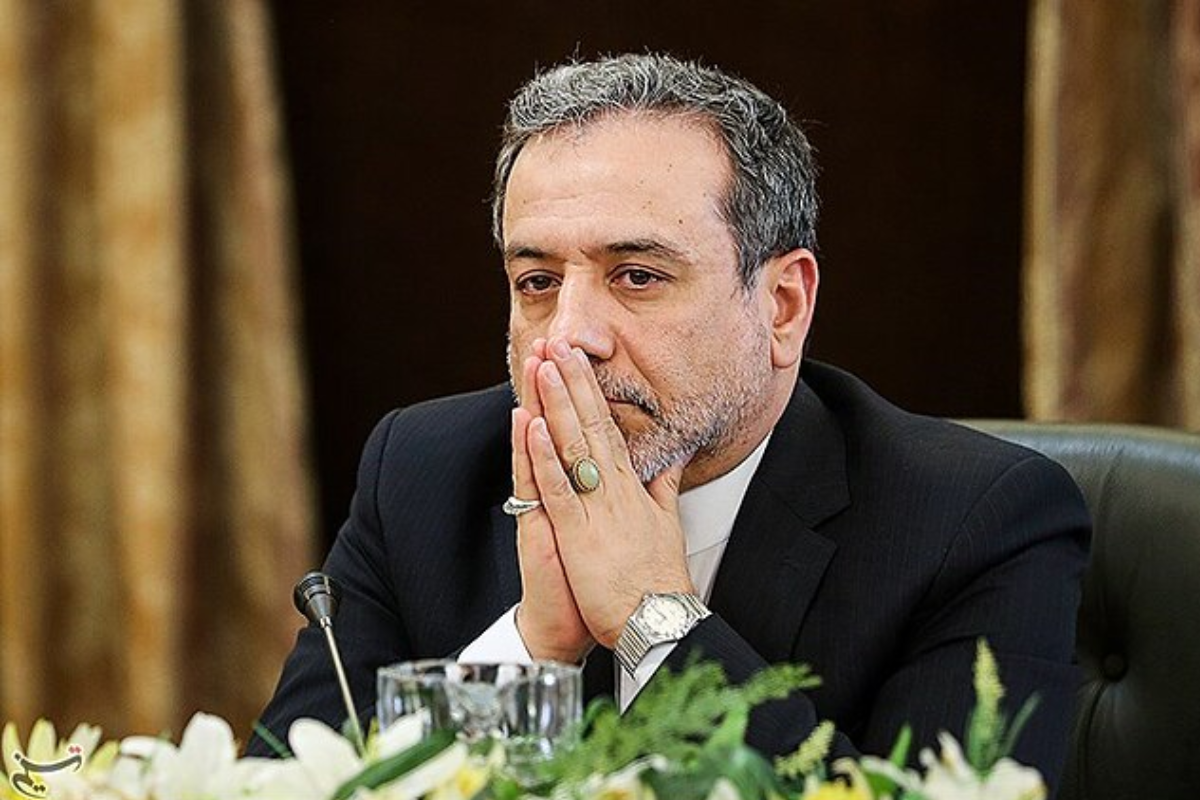
Iran's conflicting signals over the Strait of Hormuz sparked immediate market disruption, with oil prices falling more than 10% after the foreign minister's announcement, then shipping traffic reversing course after the IRGC said the strait remained closed. Maritime warnings, gunboat activity, and tanker rerouting underscore elevated risk to a corridor through which a large share of global oil flows. The article points to ongoing uncertainty until the ceasefire expires on 21 April, with no public retraction from the IRGC or clarification from Araghchi.
The key market signal is not simply “Hormuz risk,” but that Iranian command authority over maritime policy is incoherent in real time. That raises the probability of false-clearance/false-blockade episodes, which is worse for shipping than a clean closure because carriers, insurers, and terminal operators cannot price routes intraday with confidence. In practice, that means a higher volatility regime in crude, product tanker rates, and Middle East gas-linked freight even if the physical disruption is brief.
The second-order winner is not just oil bulls, but complexity premia across the supply chain: shipowners with alternative tonnage, brokers, and insurers can widen spreads immediately, while weak balance-sheet refiners and import-dependent Asian utilities face the most acute working-capital shock. The immediate loser is not only the spot tanker market; it is also any downstream business that depends on just-in-time feedstock delivery, because the market now has to discount a higher probability of vessel turnbacks, delayed laycans, and ad hoc rerouting across the Gulf for days to weeks.
The bigger contrarian point is that the “reopening” headline may actually be bearish for oil in the very short term only if traders assume state coherence and ignore enforcement risk. If the IRGC is the veto player, the true clearing price for Brent is higher than the first headline implied, and the discount should be to confidence, not just barrels. The relevant catalyst window is the ceasefire expiry and any new UKMTO-style incident over the next 1-5 trading sessions; beyond that, if no tankers can exit, the move can quickly transform from geopolitical noise into a physical inventory draw and prompt a much larger repricing in 2-6 weeks.
AI-powered research, real-time alerts, and portfolio analytics for institutional investors.
Request TrialOverall Sentiment
strongly negative
Sentiment Score
-0.68
