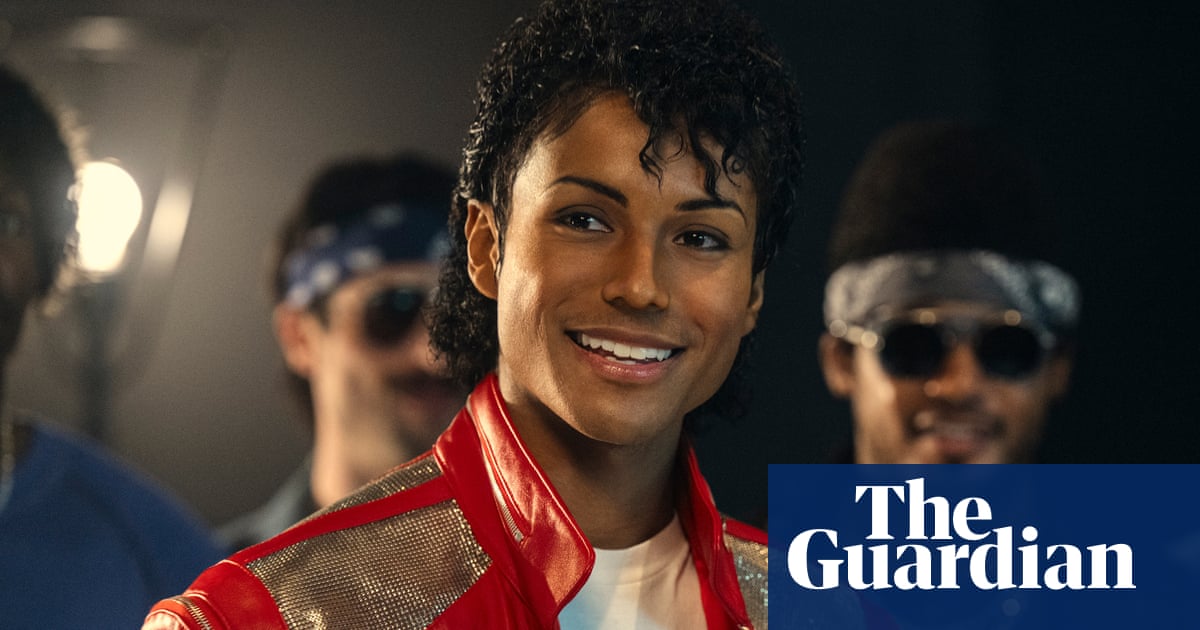
Michael launched to a record $97m domestic opening and $217m worldwide, surpassing prior biopic debut records including Oppenheimer's $180.4m global opening weekend. Despite poor critical reception and a troubled production involving costly reshoots, audience response has been strong, with Rotten Tomatoes showing a 97% audience score versus 38% from critics. The film's strong box office should lift Lionsgate sentiment and supports plans for a sequel and potentially a third installment.
This is not just a one-film beat; it is evidence that premium theatrical demand remains more elastic than the sell-side is pricing, especially when the title has event-status, generational recognition, and broad international portability. The second-order read-through is favorable for studios that can manufacture “must-see opening weekend” properties: a single outlier can materially improve quarterly cash conversion because opening-weekend economics are disproportionately high-margin versus the long tail. That matters most for exhibitors and for content owners with leveraged libraries, because a stronger box-office tape supports pricing power in subsequent licensing windows and ad-supported monetization.
The more interesting signal is that negative critical consensus is no longer a reliable demand inhibitor when audience familiarity is high and the title is culturally pre-sold. That weakens the traditional “quality gate” that has constrained biopics and prestige releases, and it raises the probability that studios greenlight more controversial IP with a narrower decision tree: if the first trailer clears social engagement thresholds, the box office can outrun review risk. The flip side is that this likely compresses the market’s ability to handicap long-tail legs from critic scores, shifting the opportunity set toward opening-weekend option value rather than durable hold assumptions.
For investors, the overhang is execution and sequel fatigue. The current result pulls forward some of the franchise optionality, but it also increases the probability of a more muted sequel because part two will face a harder comparison set and less novelty. The biggest near-term catalyst is the Japan release: if that market overdelivers relative to U.S./Europe, it validates the thesis that this is a global fandom monetization story rather than a one-off domestic controversy trade.
The contrarian view is that the market may be extrapolating too much from a single celebrity-IP event. A record opening does not automatically translate into sustained profitability if sequel economics are already priced to perfection and marketing costs remain elevated. The correct trade is probably to fade overenthusiasm in the second and third films if reviews stay weak, while staying constructive on the ecosystem beneficiaries that monetize the upfront spike without needing the franchise to compound indefinitely.
AI-powered research, real-time alerts, and portfolio analytics for institutional investors.
Request DemoOverall Sentiment
strongly positive
Sentiment Score
0.72
Ticker Sentiment
