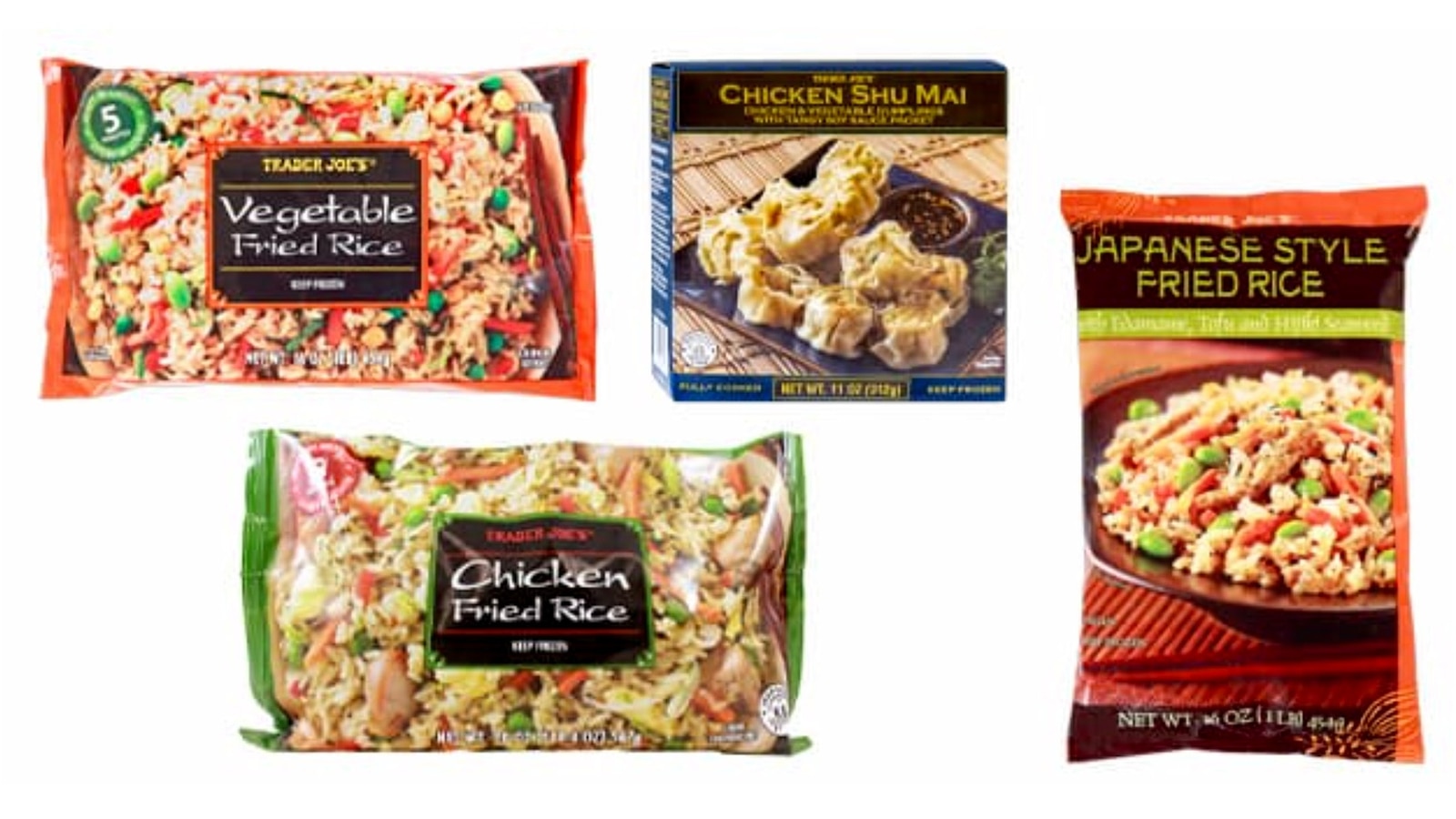
Ajinomoto Foods North America and the USDA FSIS on March 3 expanded a voluntary recall of Trader Joe’s frozen products — including Chicken Fried Rice, Vegetable Fried Rice, Japanese Style Fried Rice and Chicken Shu Mai — for possible glass contamination, with Trader Joe's best‑by date ranges spanning Feb 28, 2026 through Feb 10, 2027. The expansion follows a February recall of over 3 million pounds of Chicken Fried Rice and adds approximately 33,617,045 additional pounds across Ajinomoto, Kroger, Ling Ling and Tai Pei branded ready‑to‑eat frozen foods; the company reports no injuries and is offering refunds, but the scale presents near‑term costs, inventory write‑downs and reputational risk for the supplier and retail partners.
Market structure: The recall (~33.6M lbs) is a concentrated supply shock in frozen prepared foods that hits Ajinomoto and retailers carrying affected private labels (Trader Joe’s, Kroger (KR)) most directly. Near-term demand will reallocate within frozen/prepared meals toward unaffected SKUs and competitors (Costco COST, Walmart WMT), pressuring KR’s frozen category sales by a low-single-digit percentage share for 4–12 weeks and boosting competitors’ volumes and bargaining leverage.
Risk assessment: Tail risks include customer injury/class actions, a supplier plant shutdown or USDA fines that could inflict high-single-digit EPS hits for exposed retailers/suppliers over 1–4 quarters. Immediate effects (days) are logistics/return costs and inventory write-downs; short-term (weeks–months) are lost shelf share and promotional drag; long-term (quarters–years) are private-label trust erosion and potential supplier diversification capex. Watch USDA/FSIS notices and class-action filings as accelerants.
Trade implications: Favor tactical relative-value trades — short KR equity/volatility vs long WMT/COST share/volatility for 4–12 weeks while market digests recall costs. Use defined-risk options: buy 4–8 week KR put spreads sized to 0.5–1.5% portfolio risk and consider buying 1–3% long COST/WMT for defensive upside. Avoid exposure to packaging/supply-chain names with concentrated supplier links until 30–90 day clearance.
Contrarian view: Consensus will overestimate permanent brand damage; historical food-safety recalls (e.g., major frozen/meat recalls) typically compress sales for 1–3 quarters then normalize if no injuries occur. If KR share price drops >7% on this news with no regulatory escalation in 30 days, that may present a mean-reversion buy; downside is larger only if injuries/plant closures are confirmed.
AI-powered research, real-time alerts, and portfolio analytics for institutional investors.
Request TrialOverall Sentiment
moderately negative
Sentiment Score
-0.40
Ticker Sentiment
