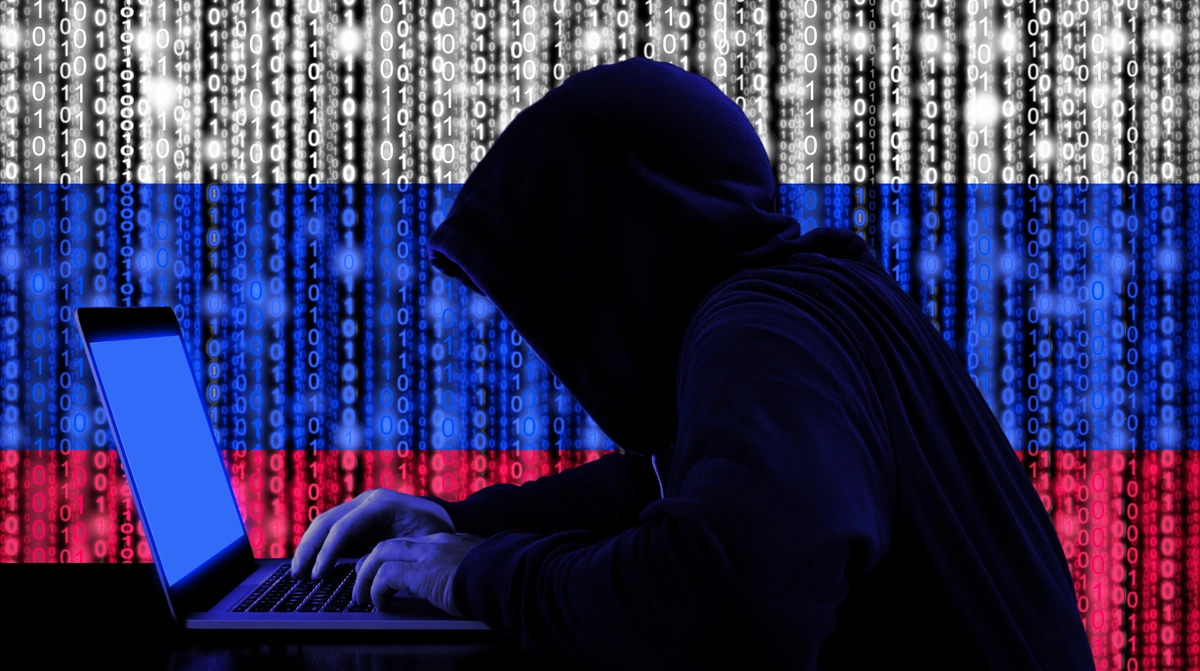
Germany suspects Russia may be behind phishing attacks targeting politicians, diplomats, military personnel, and journalists via the Signal messaging app. Federal prosecutors said they have been investigating the attacks since mid-April, and media reports indicate the Signal account of Bundestag head Julia Klöckner was compromised. The episode heightens espionage and cybersecurity concerns in Germany, including at the Defense Ministry, but does not imply an immediate broad market impact.
This is less a one-off cyber incident than evidence of a widening attack surface around political communications, which tends to accelerate procurement for identity, endpoint, and mobile security controls across government and adjacent contractors. The second-order beneficiary is not just pure-play cybersecurity vendors, but also mobile device management, secure communications, and sovereign-cloud providers that can package compliance, encrypted workflow, and auditability into a single procurement motion. The real revenue timing is months, not days: budgets usually move only after a visible compromise, but once procurement opens, multi-year framework contracts can follow with relatively low churn.
The harder-to-price implication is operational friction inside defense and foreign-policy institutions. If ministries respond by restricting phones and tightening app usage, productivity costs rise and the “shadow IT” problem worsens, which can paradoxically increase demand for sanctioned secure collaboration tools while reducing reliance on consumer messaging platforms for official work. That creates a small but meaningful competitive edge for vendors that already sit inside regulated enterprises and public-sector channels versus point solutions that require behavior change.
From a market perspective, the consensus will likely overreact to the headline as a generic cyber-bullish event, but underweight the fact that this is a political-security procurement cycle, not a broad enterprise breach cycle. The best setup is to own the names with direct public-sector exposure and avoid chasing high-beta cybersecurity baskets that need a larger enterprise incident to re-rate. The key reversal risk is if attribution weakens or the incident is contained quickly; then the headline fades, but the underlying procurement trend remains intact over 6-12 months.
AI-powered research, real-time alerts, and portfolio analytics for institutional investors.
Request DemoOverall Sentiment
mildly negative
Sentiment Score
-0.25
