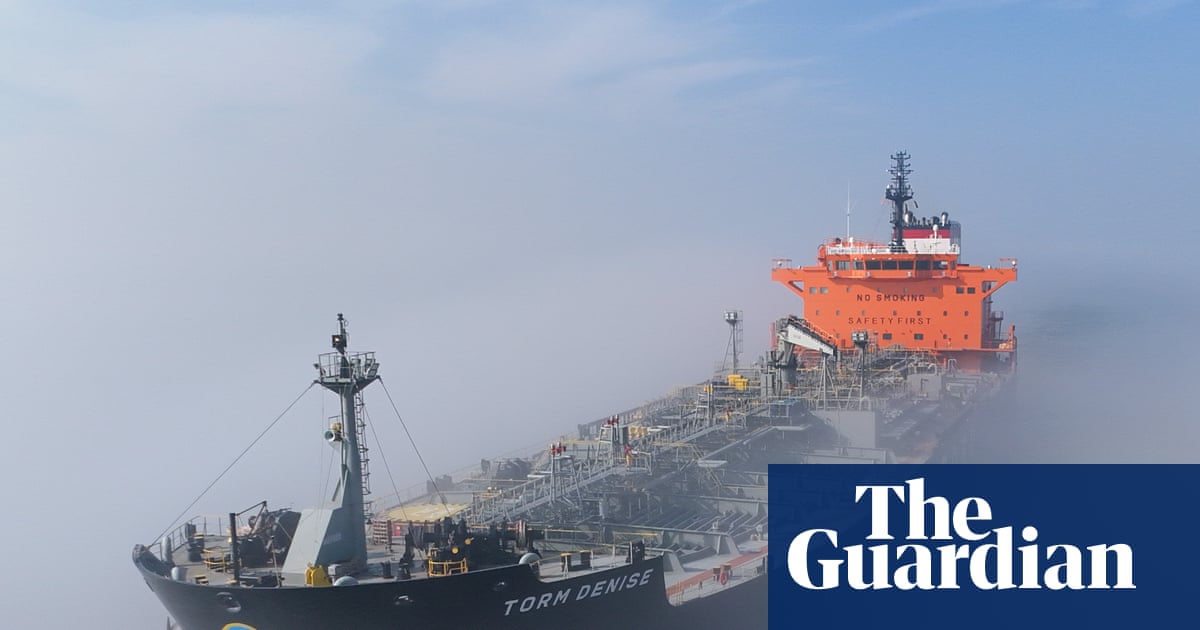
Oil topped $119/barrel and analysts warn prices could approach ~$150/barrel if the Strait of Hormuz remains closed (record high $145.29 in July 2008); Goldman Sachs says Iran's effective blockade has had an impact ~17x larger than the April 2022 Russian disruption. Higher energy costs risk reigniting global inflation, could compel central banks to raise borrowing costs instead of cutting, and threaten consumer demand and investment—raising stagflation and recession risks. G7 members stand ready to tap strategic reserves and governments face pressure to provide costly household/business support, but high public debt limits fiscal room. Supply-chain bottlenecks and storage constraints in the Gulf risk forced field shutdowns and a prolonged production recovery timeline.
Immediate market mechanics favor owners of physical crude and short-dated storage: when tank availability tightens and insurers price ‘war risk’ premiums, futures curves steepen into backwardation, creating positive roll yield for spot holders and producers who can divert cargoes. Expect the effective advantage to owners of flexible storage and quick-ship cargoes to materialize in 0–3 months; ramps to restore shut fields typically take quarters, not weeks, so premium pricing can persist through at least the next two seasons.
Inflation transmission will be non-linear: transportation and fertilizer cost shocks feed quickly into food and industrial input prices, but wage second-round effects are conditional on labour market slack. We think central banks face a bifurcated choice in 3–6 months — either tighten further to anchor expectations (add 25–75bp risk) or accept higher real rates and trigger growth pain; both paths raise volatility in credit and EM FX.
Fiscal responses and energy-security capex will reallocate capital for years: expect accelerated permitting and utility-scale renewables orders within 6–24 months, benefitting turbine/installer supply chains while increasing sovereign borrowing needs in Europe and widening peripheral spreads by tens of basis points under stress. Finally, the geopolitical premium creates asymmetric optionality — short-duration, high-convexity instruments (options on spot oil, short-dated war-risk insurance) dominate long-duration directional bets until visibility improves.
AI-powered research, real-time alerts, and portfolio analytics for institutional investors.
Request DemoOverall Sentiment
strongly negative
Sentiment Score
-0.70
Ticker Sentiment
