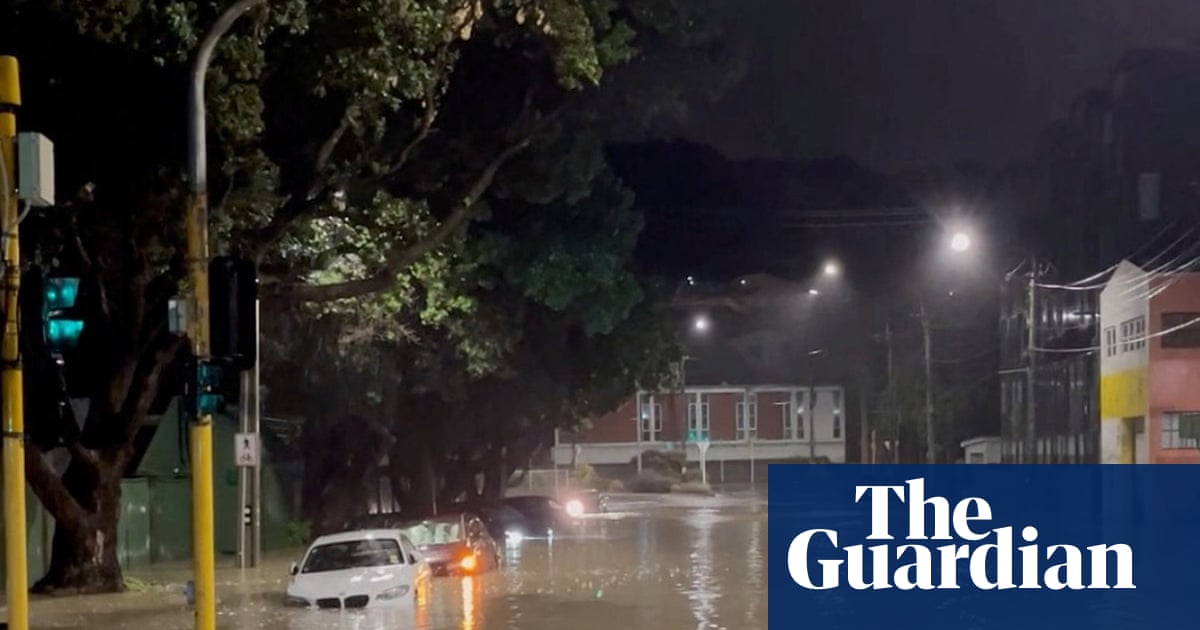
Severe flooding in Wellington brought record rainfall of 77 mm in less than an hour, leaving one man missing, forcing evacuations, and prompting 150 emergency calls. The storm triggered landslides, road closures including the Mt Victoria tunnel, and significant damage to homes and vehicles. A state of emergency remains in place for the Wellington region despite weather warnings being downgraded.
The immediate economic hit is not the headline damage count; it is the concentration of losses in a city where slope stability, drainage, and road access are tightly coupled. In Wellington, a single blocked watercourse or landslip can cascade into multi-day disruption for commuting, emergency response, and local retail — so the second-order cost is likely to exceed the direct property damage by a wide margin over the next 1-2 weeks. Insurers with NZ exposure will likely see a fast-maturing claims wave, but the bigger underwriting risk is reserve creep from water ingress, retaining-wall failure, and landslip liabilities that tend to surface after the first pass of claims settlement.
From a market perspective, the near-term beneficiaries are not the obvious construction names but the firms with response, restoration, and temporary housing exposure. Logistics and transport operators with Wellington throughput face a short-duration but high-friction shock: road closures and tunnel outages can create localized service failures that matter disproportionately in a small network. The more durable effect is on local real estate valuations in hillside suburbs, where perception of flood and landslip risk can reprice insurance availability and financing terms for months, not days.
The contrarian miss is that this may be less of a pure weather event and more a stress test of municipal resilience. If cleanup is slower than expected, the market could start discounting recurring capex needs for stormwater upgrades, retaining structures, and road hardening — a multi-year fiscal burden rather than a one-off repair bill. That creates a tailwind for contractors, remediation specialists, and infrastructure engineering firms, while leaving discretionary retail and housing-sensitive names vulnerable to a slow burn in consumer confidence and transaction volumes.
AI-powered research, real-time alerts, and portfolio analytics for institutional investors.
Request TrialOverall Sentiment
strongly negative
Sentiment Score
-0.75
