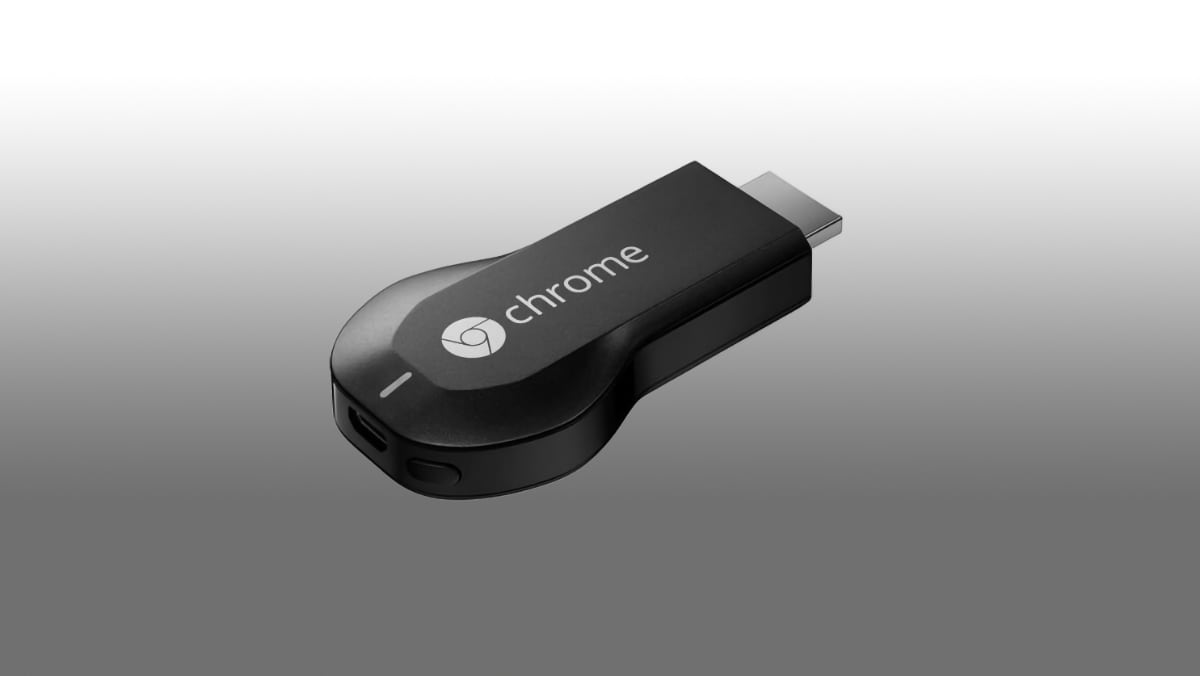
Reports indicate that many first-generation Chromecast devices have suddenly stopped working worldwide, affecting casting from streaming apps including YouTube. Google says it is investigating the issue, while newer Chromecast devices and built-in Google Cast functionality continue to work normally. The incident may reflect the end of support for the 2013 device and could prompt users to replace aging hardware.
This reads less like a one-off hardware glitch and more like a reminder that legacy connected-devices become option value decaying assets once the authentication stack ages out. For GOOGL, the direct P&L impact is negligible, but the reputational hit is asymmetric because the failure mode is public, simultaneous, and consumer-visible — exactly the kind of incident that makes enterprise buyers more skeptical about long-tail support promises across Nest, Fitbit, and other low-ARPU hardware adjacencies. The second-order issue is trust: if users think Google can “brick by neglect” after end-of-support, that raises the perceived switching cost of adopting future Google home devices, which matters more than this specific Chromecast cohort.
For NFLX, the risk is more subtle: even if the platform is not the root cause, any casting friction creates a meaningful user-experience tax at the point of content consumption. That can show up as slightly higher churn or lower session starts on older TVs and dongles, particularly in cost-sensitive households that are most likely to keep first-gen hardware in service. The market should not model this as a durable revenue headwind, but in a high-competition streaming environment, even a small increase in “friction to watch” tends to flow disproportionately into churn on the margin rather than into lower engagement.
The catalyst window is short. If Google confirms a certificate/compatibility issue and patches it within days, the event fades into a support footnote; if not, the story becomes a slow-burn migration accelerator toward newer hardware ecosystems and native TV platforms over the next 1-3 quarters. The contrarian read is that this may be bullish for the broader Cast ecosystem: the installed base does not disappear, it upgrades, and replacement demand likely accrues to newer Google Cast-capable TVs and higher-margin connected TV devices rather than to a competitor with a meaningful share gain. The market may be overestimating the downside to GOOGL while underestimating the tiny but real near-term friction to NFLX.
AI-powered research, real-time alerts, and portfolio analytics for institutional investors.
Request DemoOverall Sentiment
mildly negative
Sentiment Score
-0.15
Ticker Sentiment
