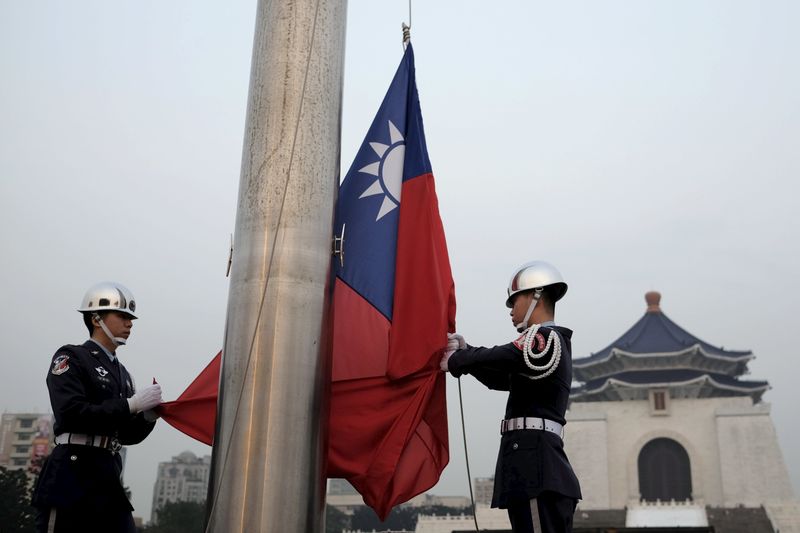
Taiwan says Beijing’s interference forced cancellation of President Lai Ching-te’s overseas trip after Seychelles, Mauritius, and Madagascar revoked flight permits for the presidential aircraft. The setback underscores rising cross-strait tensions and the use of gray-zone pressure that could disrupt diplomatic travel and regional logistics. While not an immediate market shock, the escalation adds geopolitical risk for global supply chains, especially given Taiwan’s central role in semiconductors and technology.
This is less about one canceled trip and more about Beijing expanding the toolkit for coercion below the threshold of military conflict. The market-relevant shift is that operational choke points—overflight permissions, port access, customs frictions, telecom restrictions—can now be deployed episodically to raise the cost of Taiwan’s external engagement without triggering the kind of response that hard military moves would. That makes the probability of recurring “nuisance shocks” materially higher over the next 3-12 months, especially around Taiwan-led outreach, election cycles in partner states, and any moment Beijing wants to signal resolve.
The second-order effect is not immediate semiconductor supply interruption; it is a higher geopolitical risk premium on the entire Taiwan-linked industrial stack. Expect firmer bids in defense, ISR, satellite communications, and non-China supply-chain diversification beneficiaries, while companies with heavy China exposure and just-in-time Asia logistics remain vulnerable to sentiment downgrades even if fundamentals are unchanged. The bigger hidden issue is insurance, freight routing, and inventory-buffer behavior: if multinational OEMs start treating cross-strait logistics as less reliable, they will incrementally reprice sourcing away from Taiwan-adjacent routes over the next 6-24 months.
Consensus is probably still underpricing how normalized gray-zone interference can become because there is no clean escalation ladder for investors to monitor. The near-term risk is not a blockade; it is a steady accumulation of friction that forces corporates to spend more on redundancy, security, and dual sourcing. A credible de-escalation would require visible pushback from Beijing’s regional partners or a diplomatic cost that meaningfully outweighs the signaling value, which we do not see in the current setup.
AI-powered research, real-time alerts, and portfolio analytics for institutional investors.
Request DemoOverall Sentiment
moderately negative
Sentiment Score
-0.45
