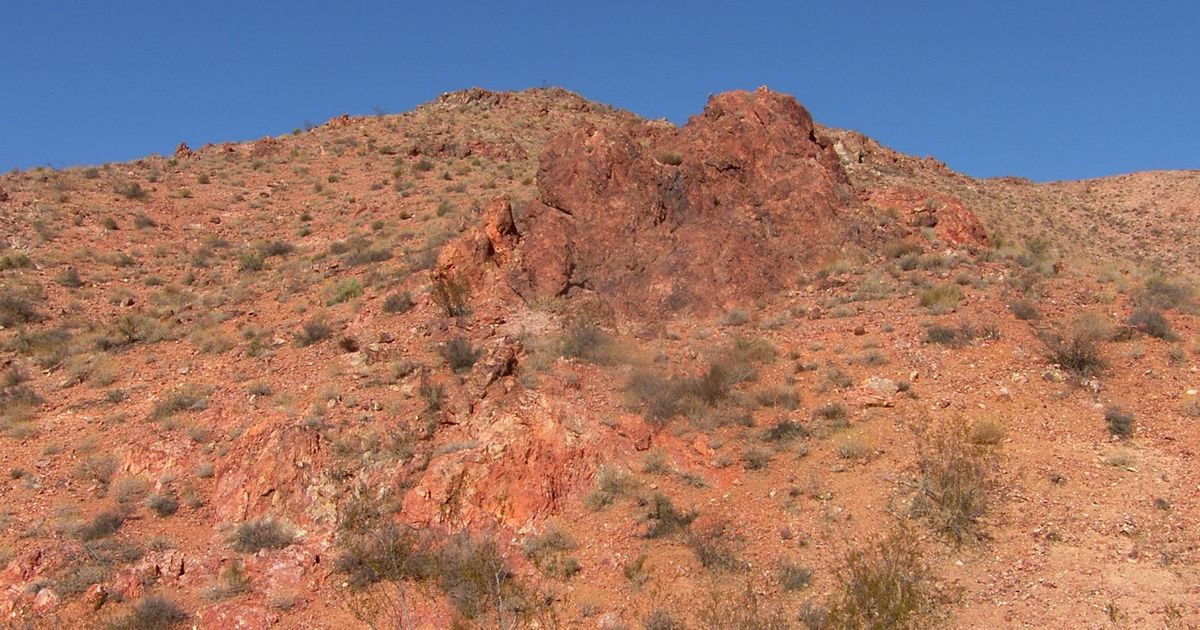
Arizona Gold & Silver reported encouraging high‑grade drilling continuity at its Philadelphia project in Arizona, with hole 158 extending mineralization continuity across a 110‑metre spread from prior holes and hole 159 underway. Management highlighted substantial intercepts including ~60–70 metres at ~4 g/t and a high‑grade vein of 19 g/t over 4 metres, while noting the results come from only ~3.5% of the 3,100‑acre land package and a visible ~3 km strike. The company also reported strong financing support—all December warrants exercised and early exercise of April warrants—improving treasury runway, and said permitting progress is proceeding well.
Market structure: Arizona Gold & Silver (AZS/AZASF) is the direct beneficiary—high-grade continuity along 110m of strike increases probability of a resource that attracts junior‑M&A or tape‑chasing flows; broader gold/silver prices and major producers are essentially unchanged because this is an early-stage, localized discovery representing <<0.1% of global supply. Competitive dynamics favor juniors with contiguous district scale land positions in Arizona; successful follow-up drilling could re‑rate AZS relative to TSXV peers and compress funding spreads for similar explorers. Cross‑asset: expect a short, 1–2 week positive re‑rating in TSXV small‑cap miners, a lift in implied vol for AZS options, negligible sovereign bond or FX impact, and modest metal price sensitivity only if a multi‑100koz resource is ever declared (12–24 months).
Risk assessment: Key tail risks are permitting delays (>6–12 months), metallurgical recovery issues that reduce payable ounces by >20%, and equity dilution from future financings that could cut NAV/share by 25–50% in downside scenarios. Time horizons: immediate (days–weeks) = news/volume spikes and warrant exercise dynamics; short (3–6 months) = follow‑up hole results, permit decisions, treasury runway clarity; long (12–24 months) = maiden resource/PEA and potential JV/M&A. Hidden dependencies include metallurgy, water/land access, and local permitting; catalysts are hole 159/160 assays (next 2–8 weeks) and permit news (30–90 days).
Trade implications: Direct play—establish a tactical 1.5–3% net long position in AZS (TSXV) or AZASF (OTC) sized to the portfolio, with a 30% stop and scale‑up on successful hole 159/160 assays or a maiden resource (>200–300koz inferred) within 12 months. Pair trade—long AZS vs short GDXJ (equal notional) to isolate company upside while hedging metal beta; rebalance monthly. Options—buy 6–12 month LEAP calls (50–70% of equity position) to lever positive drill outcomes, or sell near‑term covered calls after entry to finance carry.
Contrarian angles: Consensus focuses on surface continuity; it underestimates metallurgical/tonnage risk and dilution from continued warrant/exercise funding—warrant exercises improve treasury now but create supply overhang as new float hits OTC liquidity. The market may underprice the binary nature: a successful permit and a robust deep intercept could double to triple the equity in 6–12 months, while a negative metallurgical or permit outcome can halve the share price quickly. Historical parallels (junior high‑grade surface hits) show 50–100% runs followed by 40–60% mean reversion absent follow‑through; plan exits tied to technical and milestone triggers, not anecdote.
AI-powered research, real-time alerts, and portfolio analytics for institutional investors.
Request DemoOverall Sentiment
moderately positive
Sentiment Score
0.60
Ticker Sentiment
