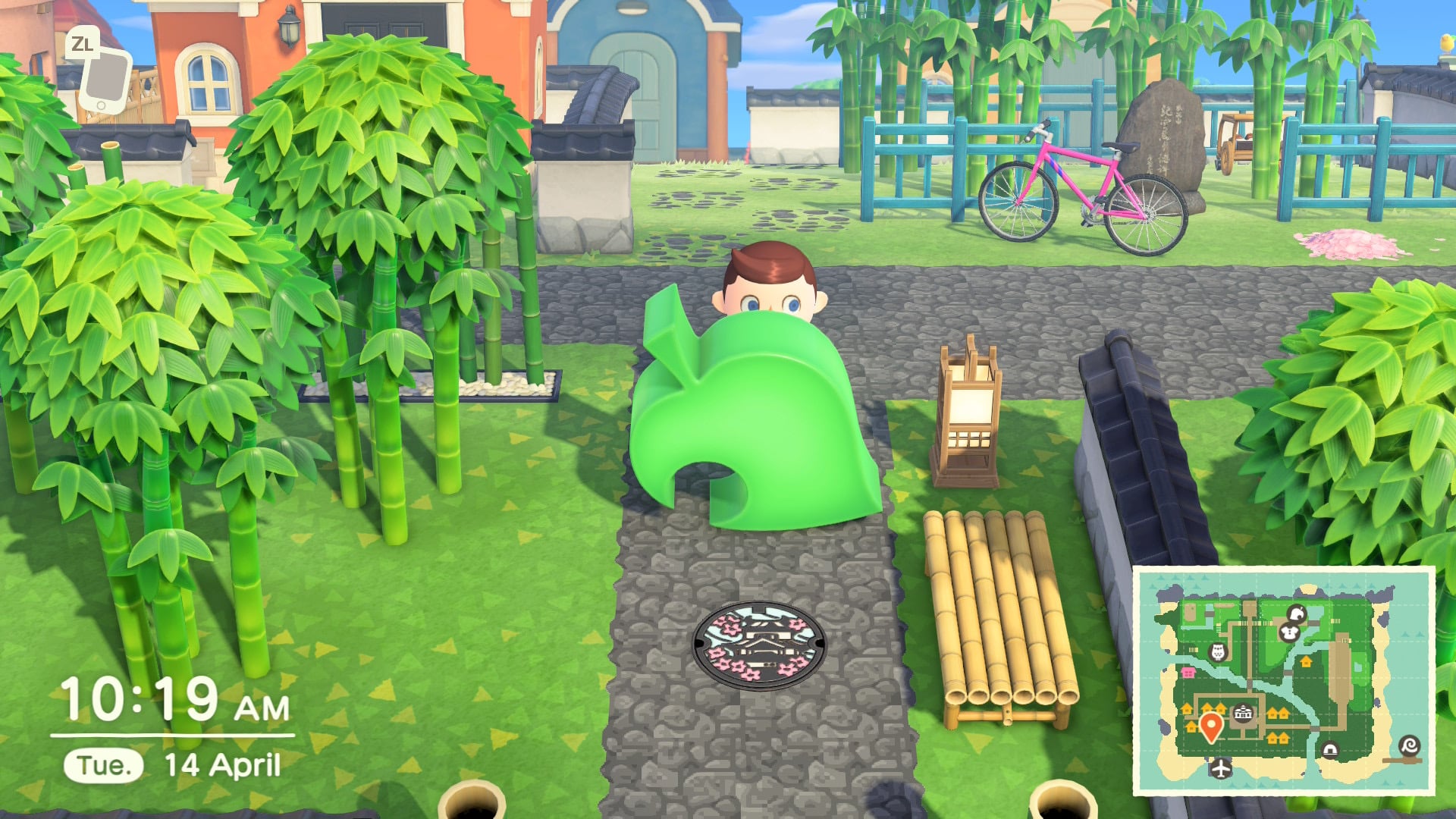
Nintendo marked the 25th anniversary of Animal Crossing with update 3.0.2 for New Horizons, which delivers a commemorative Leaf Statue item and a themed letter to all players. The company also added the original GameCube Animal Crossing soundtrack to the Nintendo Music app and highlighted new features in the Switch 2 Edition, including up to 4K TV output, mouse controls, and 12-player online sessions. The news is primarily a franchise engagement and product-refresh event rather than a material financial catalyst.
This reads less like a one-off fan service and more like Nintendo keeping the Animal Crossing franchise warm between major monetization cycles. The second-order effect is retention: low-cost nostalgia drops, incremental feature updates, and companion-app content all extend engagement without the CAC burden of a true new launch, which matters because the franchise’s economics are unusually sensitive to long-tail spend rather than headline unit sales. The risk to competitors is not direct share loss so much as attention capture; life-sim and cozy-game peers rely on recurring community mindshare, and Nintendo is reinforcing that moat with essentially zero inventory risk.
The bigger signal is product cadence discipline. Nintendo is demonstrating that it can monetize its back catalog and hardware ecosystem simultaneously: old IP content keeps dormant users active, while premium Switch 2 features create an upgrade narrative for high-engagement fans. That combination supports a higher lifetime value per account and makes the installed base more monetizable without needing blockbuster software launches every quarter. In consumer terms, this is a demand durability story, not a one-day engagement bump.
Contrarianly, the market may be underpricing how much this favors platform control over third-party content. If Nintendo proves it can keep core IP alive through micro-updates and app-based extensions, it strengthens the case for a recurring-service valuation premium on the ecosystem. The main risk is execution fatigue: if these updates become too sparse or feel cosmetic, users may not convert higher engagement into actual spend, and the uplift fades over 1-2 quarters rather than compounding.
From a trading standpoint, the setup is modestly bullish for Nintendo equity but even more interesting for suppliers and ecosystem beneficiaries tied to Switch 2 adoption and first-party content attach. The best asymmetry is around whether these engagement tactics feed upgrade conversion faster than consensus expects over the next 6-12 months.
AI-powered research, real-time alerts, and portfolio analytics for institutional investors.
Request TrialOverall Sentiment
mildly positive
Sentiment Score
0.20
