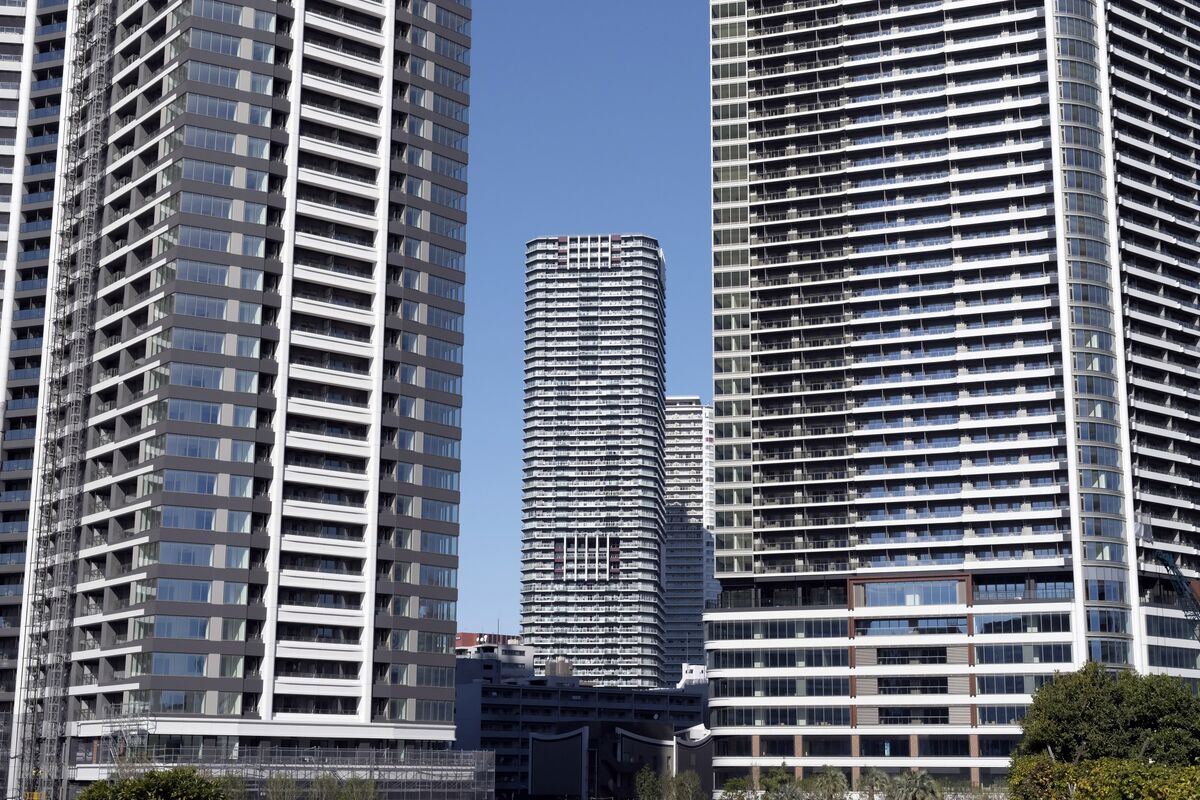
Used condominium prices in central Tokyo fell 0.2% in March from February to ¥187.3 million, marking the first back-to-back monthly decline in more than three years. The data suggest Japan’s property boom may be losing momentum, though the move is modest and limited to a specific housing segment.
The first-order read is not that Tokyo housing is collapsing, but that the marginal buyer is becoming less price-insensitive after a prolonged liquidity-driven rerating. In Japanese prime residential markets, valuation is increasingly a function of financing conditions, foreign demand, and the perceived scarcity premium of trophy assets; a two-month stall suggests the price-setting mechanism is shifting from momentum to selectivity. That matters because the entire adjacent ecosystem — brokers, renovation firms, REIT sponsors, luxury retailers, and mortgage lenders — has been leaning on the assumption that premium Tokyo property remains a one-way asset.
The second-order risk is to leverage-sensitive balance sheets and land-bank monetization. Developers and landlords with near-term refinancing needs may find that appraisal marks and presale assumptions become less forgiving over the next 1-2 quarters, even if transaction volumes don’t immediately fall. This is especially important if yen strength persists: a stronger currency can reduce foreign-currency buying power and compress the “safe haven” bid that has supported the top end of the market.
The contrarian view is that this is more of a normalization than a regime break. A flat-to-down monthly print in a market that had already repriced aggressively is often a sign that affordability is finally catching up, not that institutional capital is exiting. If domestic wages, tourism-linked wealth effects, or policy easing re-accelerate, the stall could resolve higher again within 3-6 months; the key tell will be whether this weakness spreads beyond central wards into broader Tokyo transaction data.
For now, the opportunity is less about outright bearishness on Japanese real estate and more about fading the most crowded expressions of perpetual appreciation. A selective pullback in prime condo pricing can actually improve forward returns for quality residential landlords if it reduces entry costs faster than rents adjust, but that setup usually takes several quarters to play out.
AI-powered research, real-time alerts, and portfolio analytics for institutional investors.
Request TrialOverall Sentiment
mildly negative
Sentiment Score
-0.20
