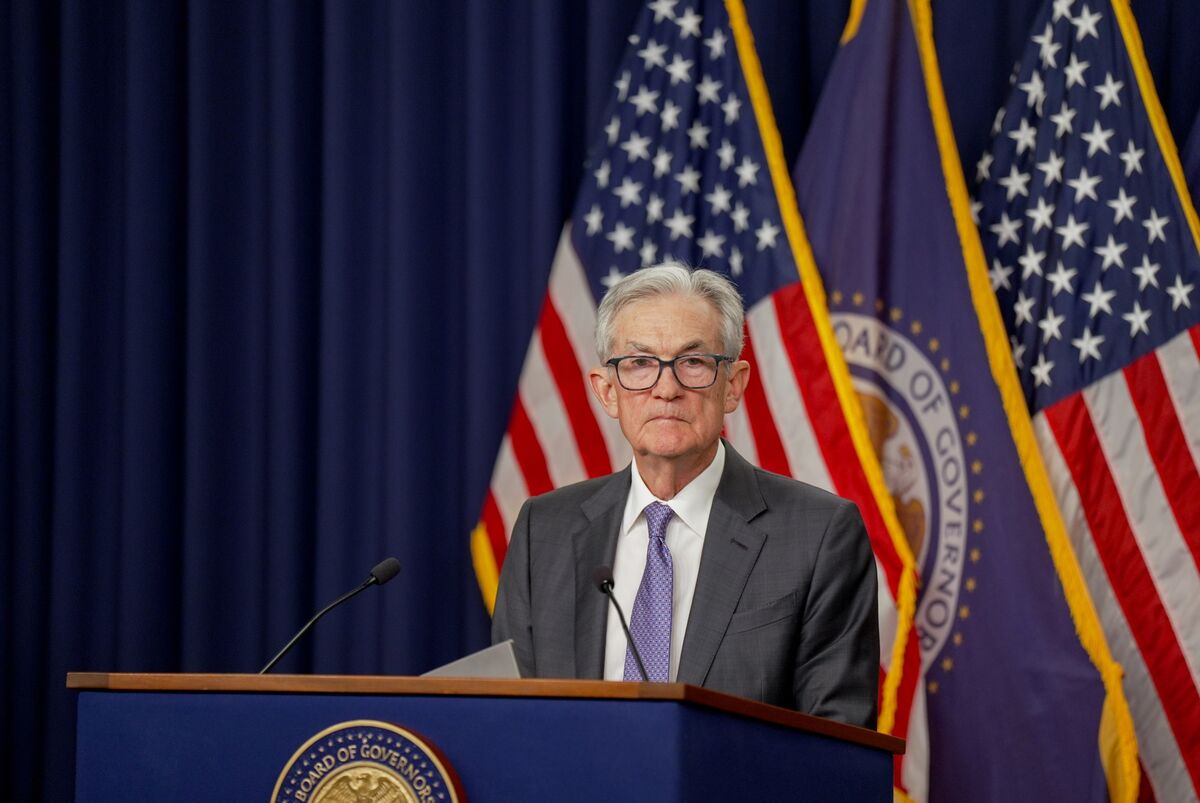
Scott Bessent said Jerome Powell staying at the Fed after his chair term expires in May would go against historic norms, noting only one former Fed chair has stayed on as a governor at a president's request. Bessent added he "can't imagine" President Trump asking Powell to remain—an opinion likely to shape discussion around Fed leadership succession but unlikely by itself to move markets materially.
A governance decision that breaks long-standing Fed norms would primarily act through the term premium and perceived institutional independence rather than immediate changes to target rates. Market history suggests shocks to central-bank credibility drive 10y term premium moves of ~10–30bp over 1–3 months as risk premia and inflation hedging adjust; expect the bulk of the repricing to occur in the belly and long end as investors demand compensation for political tail risk.
The most direct market mechanics will be higher front-end volatility in OIS and SOFR-linked instruments (intra-day swings, wider bid/ask) and simultaneous widening of swap spreads as dealers hoard balance-sheet capacity. That creates a narrow window for capture: one can earn carry from being long convexity/volatility on money-market products while hedging directional rate exposure across the curve.
Second-order winners are cyclical financials (net-interest-margin levered banks) and volatility sellers who can structure risk-defined trades; losers are long-duration growth equities and muni duration proxies if term premium rises. Key catalysts that will crystallize the path are nomination signals (days), Senate hearing calendars (weeks), and monthly inflation/Fed communication (1–3 months); reversal tends to be fast (days) once political intent is unambiguous, so time gamma matters for option positions.
AI-powered research, real-time alerts, and portfolio analytics for institutional investors.
Request DemoOverall Sentiment
neutral
Sentiment Score
0.00
