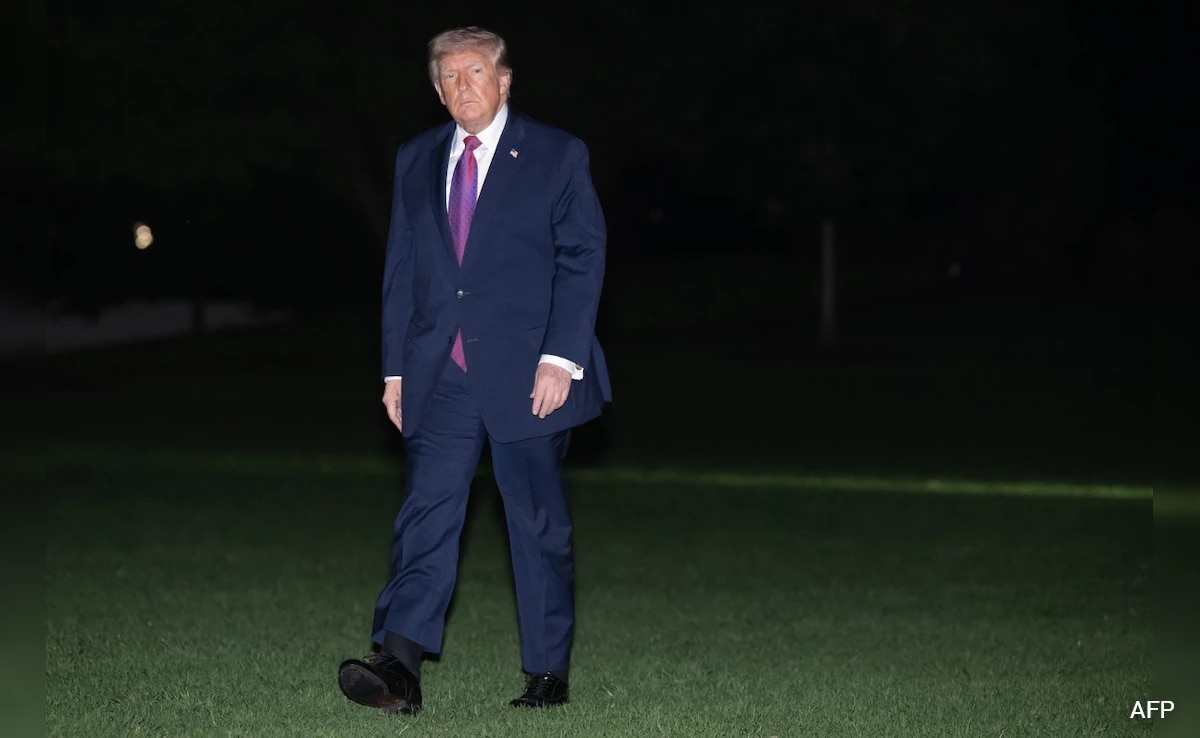
US sanctions on Syria were reportedly lifted after being included in a nearly $1 trillion defense funding bill signed by Donald Trump on December 18, 2025. The Khayyat family had pitched a Trump-branded golf course and broader luxury redevelopment projects in Syria while also partnering with Jared Kushner's group on a multibillion-dollar Albania resort. The article centers on sanctions relief, politically sensitive business ties, and potential future real estate development in Syria rather than near-term financial results.
The investable signal is not the headline real estate fantasy; it is the changing probability distribution around Syria’s re-entry into the capital stack. Sanctions relief, even if politically fragile, can pull forward a wave of speculative land repricing in pockets where title, security, and utility access can be assembled, creating a first-mover advantage for local sponsors with diaspora capital and Western political access. That said, this is a highly path-dependent market: the first capital to arrive is likely to be politically connected private equity, family offices, and GCC intermediaries, not institutional crossover money.
The second-order effect is a relative-value trade between “reconstruction optionality” and “sanctions-friction jurisdictions.” If Syria’s door opens even partially, adjacent logistics nodes, building materials, and regional contractors with balance-sheet flexibility can capture the early-cycle economics while pure-play frontier developers remain unfinanceable. The more important beneficiary may be not the project sponsors themselves, but the intermediaries that control permitting, insurance, shipping, legal structuring, and security—those fees can monetize before any stabilized NOI exists.
The main risk is reversal via US politics: this setup is vulnerable to hearings, executive-branch reinterpretation, and a tightening of OFAC-style guidance that can freeze capital flows without formally reimposing sanctions. In that case, the trade becomes a stranded-asset story again and the market will punish any listed proxy exposure in the broader Levant/GCC real estate complex within days, while actual asset repricing in Syria would unwind over months. The contrarian point is that the market may be underestimating how much of the value accrues before full normalization: even partial legalization can create a 12-24 month window for land banking, JV option value, and fee extraction long before shovel-ready projects exist.
AI-powered research, real-time alerts, and portfolio analytics for institutional investors.
Request DemoOverall Sentiment
neutral
Sentiment Score
0.05
