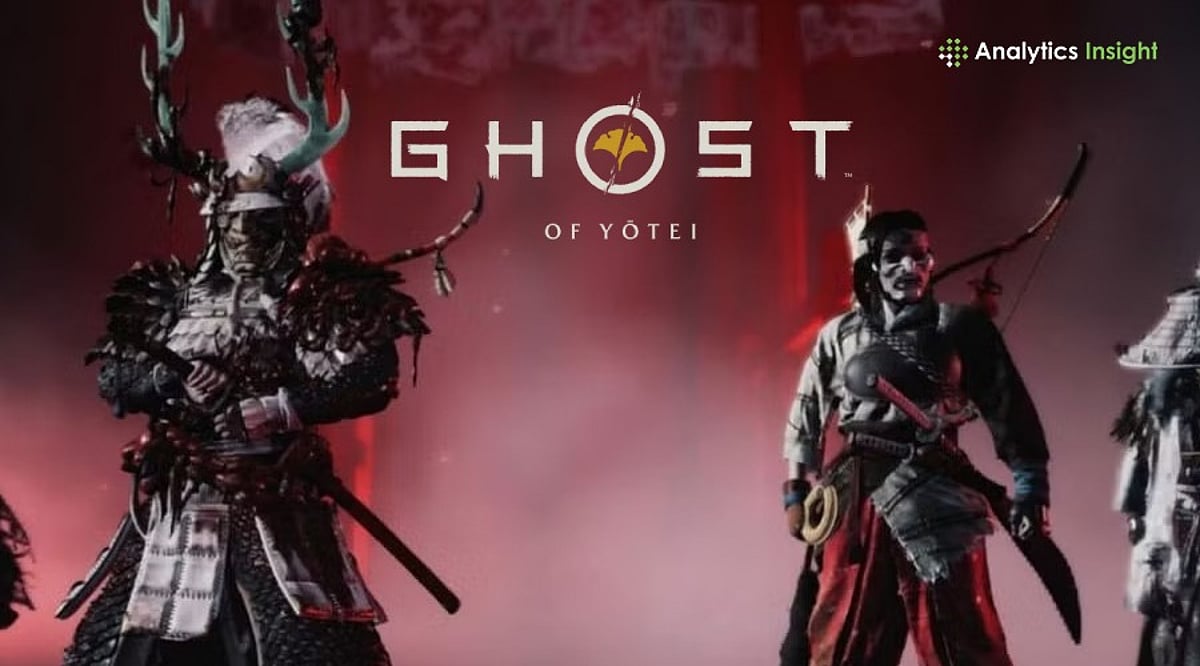
Sony confirmed Ghost of Yotei Legends will receive no further major content updates after the latest patch, effectively ending large seasonal additions and new gameplay content for the multiplayer mode. The game will remain online and playable, with the final update focused on balance tweaks, bug fixes, and quality-of-life improvements. The move reflects a common industry shift of reallocating resources away from aging live-service content as player retention declines.
The market implication is less about near-term revenue leakage and more about lifecycle economics: this is a signal that the title has likely entered maintenance mode, which usually means content monetization decays faster than player churn can be offset. For Sony, the second-order issue is not the multiplayer mode itself but the opportunity cost of live-service staffing and whether capital is being reallocated to higher-conviction first-party launches. In other words, the headline is mildly negative for sentiment, but it is also consistent with disciplined portfolio management rather than a strategic failure.
The bigger read-through is competitive: publishers are increasingly pruning mid-tier live operations to concentrate on franchises with clearer scale economics, stronger retention, or more durable spending cohorts. That tends to favor platform holders and top-tier online ecosystems while pressuring smaller co-op and niche multiplayer studios that rely on long-tail updates to keep engagement sticky. For suppliers of outsourced live-ops, QA, and content production, this kind of decision can be a leading indicator of softer demand for incremental service work over the next 2-4 quarters.
The contrarian view is that the market may be over-penalizing any “support ends” headline in a world where most of the value is already in the launch window and the remainder is low-margin servicing. If the title was not a meaningful earnings driver, ending major updates can actually improve margin by capping ongoing burn. The real risk would only emerge if this pattern repeats across multiple Sony multiplayer properties, suggesting weaker-than-expected engagement economics and a more cautious stance on future live-service investment.
Near term, the catalyst path is limited: unless Sony comments on broader live-service roadmap changes, this should fade within days rather than months. The longer-term catalyst is whether management uses this as a template to reallocate resources to higher-return IP, which would support margins but could also lower growth optionality in gaming over 12-24 months.
AI-powered research, real-time alerts, and portfolio analytics for institutional investors.
Request DemoOverall Sentiment
mildly negative
Sentiment Score
-0.15
Ticker Sentiment
