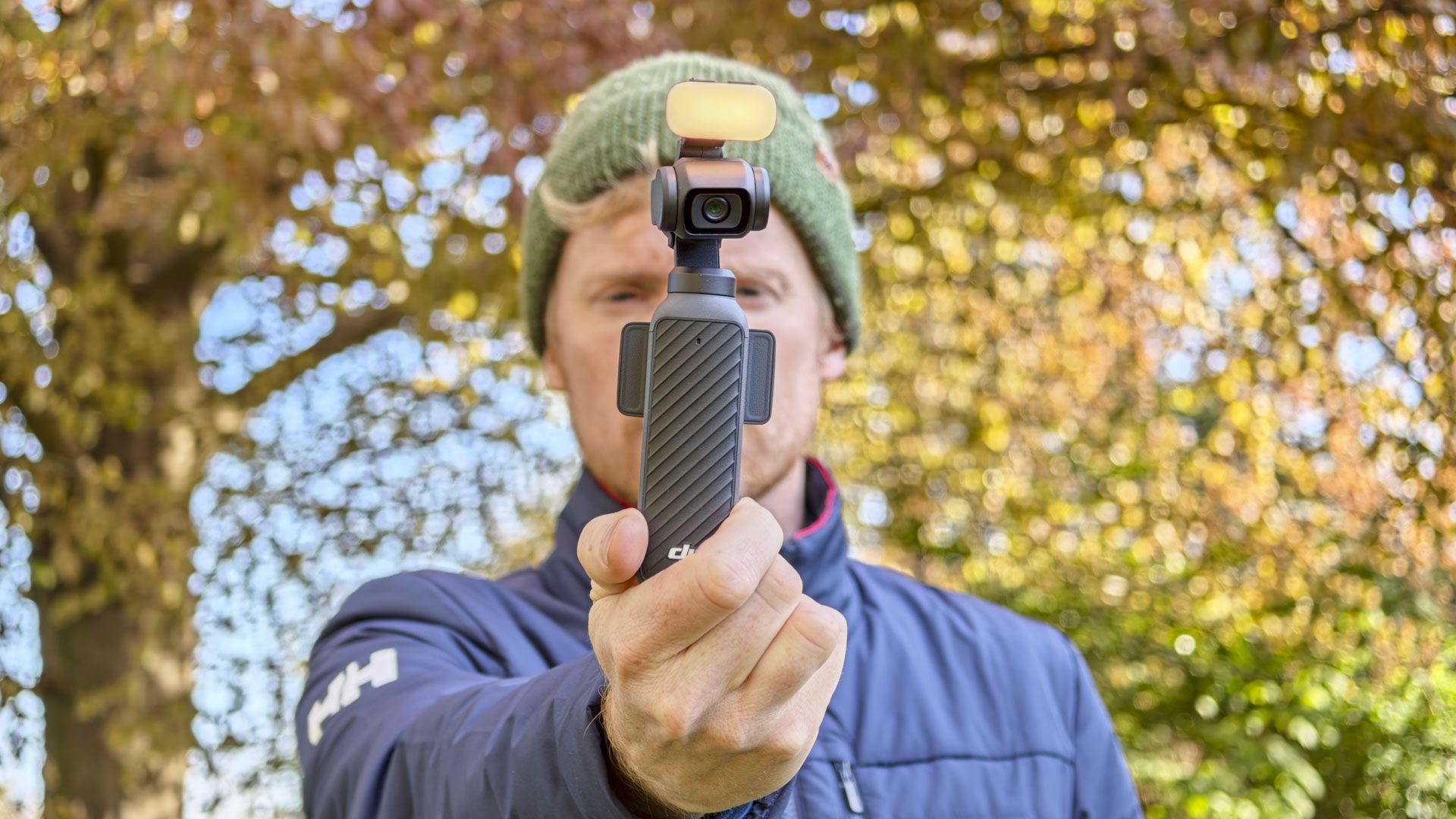
DJI has launched the Osmo Pocket 4, a polished successor to the Pocket 3, with key upgrades including 4K/240fps slow motion, Active Track 7.0, 37MP photos, a 1,545mAh battery, and 107GB of built-in storage. Pricing starts at £429 / AU$749 for the Essential Combo and £549 / AU$949 for the Creator Combo, with no U.S. price or availability at launch. The article suggests the model is more of an incremental upgrade than a major redesign, but still a compelling vlogging camera for new buyers and upgraders.
This is a classic product-refresh case where the incremental feature set matters more for conversion than for unit growth. The more important read-through is not DJI itself, but the broader creator-economy hardware stack: better on-device storage, faster transfer, and stronger tracking reduce the friction that keeps casual users on smartphones longer. That tends to favor premium accessory attach rates and subscription software ecosystems more than standalone camera demand.
Second-order, the upgrade path is likely to compress replacement cycles for existing Pocket owners while expanding the addressable market for first-time buyers who were waiting for a “good enough” all-in-one creator device. The biggest beneficiaries are adjacent components and accessories: microSD suppliers, battery/charging accessory makers, compact lighting vendors, and wireless mic ecosystems. The risk is that if the camera is perceived as too iterative, it can cap ASP expansion and push demand back toward discounting after the launch window.
The contrarian view is that the headline improvements are more workflow-oriented than creative-quality-oriented, which means the market may overestimate sustained demand elasticity. In consumer hardware, that often translates to a strong 1-2 quarter launch bump followed by normalization, especially if rival action cams and phones respond quickly on software features like tracking and computational video. If there is any disappointment, it will show up first in accessory attach and channel inventory rather than in the camera’s core sell-through.
From a timing perspective, the near-term catalyst is launch-channel inventory build over the next 30-60 days, while the medium-term test is whether upgraded retention features translate into repeat purchases from the Pocket 3 installed base over 2-3 quarters. If macro weakens, this is also a discretionary spend category that can stall quickly, making the demand curve more back-end loaded than the announcement cycle suggests.
AI-powered research, real-time alerts, and portfolio analytics for institutional investors.
Request DemoOverall Sentiment
mildly positive
Sentiment Score
0.30
