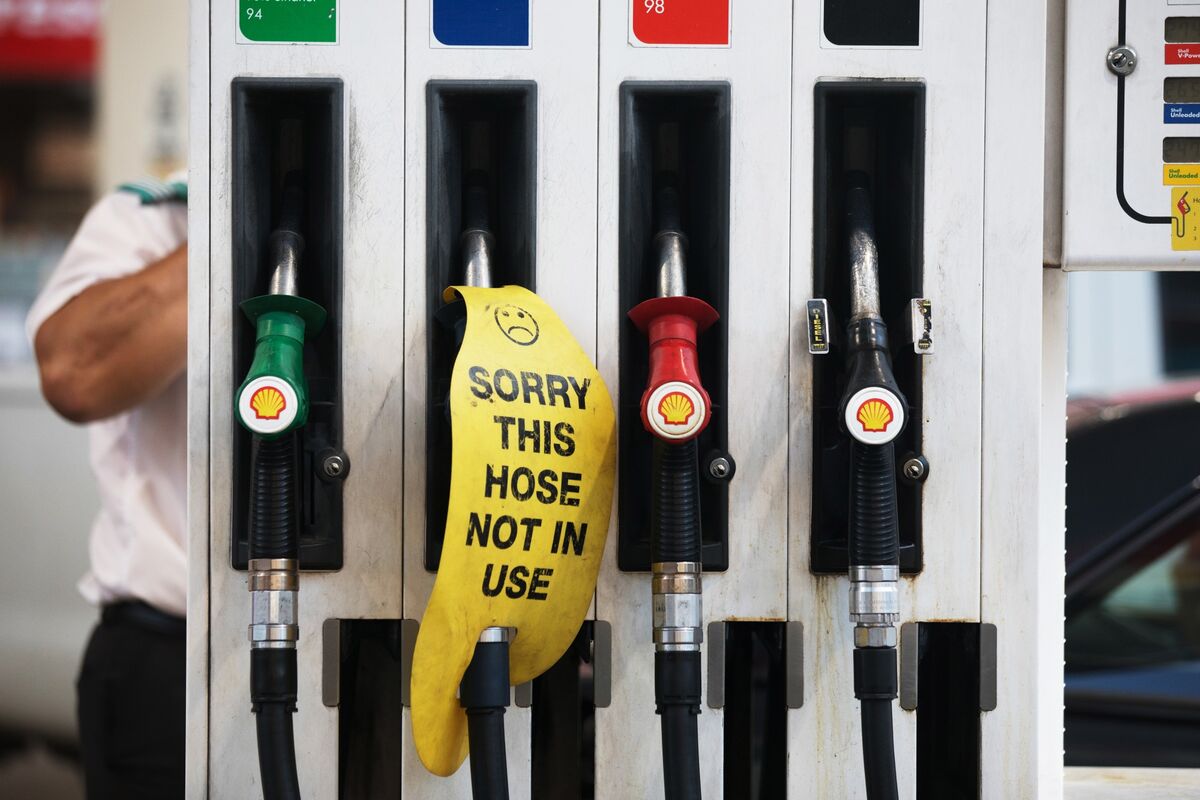
Australia’s heavy reliance on imported refined fuel is under pressure as Iran’s effective closure of the Strait of Hormuz and the US plan to block maritime traffic to and from Iranian ports from April 13 threaten global oil and fuel shipments. The article highlights elevated vulnerability for transport, agriculture and broader economic activity if supply disruptions persist. This is a market-wide geopolitical and energy supply shock with likely upward pressure on fuel prices and heightened supply-chain risk.
The main market effect is not the headline spike in crude, but the widening of the “clean” transport-energy spread: refiners, tanker owners, and domestic fuel distributors with non-Iranian supply optionality should outperform upstream producers on a relative basis if bottlenecks persist. The first-order risk is a physical shortage of refined products, which matters more for Australia and Asia-Pacific logistics than the crude benchmark itself; that creates a lagged margin squeeze for airlines, trucking, rail, and agricultural operators over the next 2-8 weeks as inventory buffers roll off. The second-order loser is any business with just-in-time fuel procurement and low ability to pass through costs—regional carriers, port operators, and industrials exposed to diesel. If blockade enforcement expands beyond a brief disruption, expect forced inventory building, which temporarily boosts working capital demand and can pressure credit spreads for fuel-intensive small caps. Conversely, firms with captive storage, long-term supply contracts, or ability to reroute through Singapore/Middle East alternatives gain a pricing lever that can translate into near-term EBITDA outperformance. Consensus is likely underestimating how asymmetric the impact is across the energy complex: a crude rally alone is manageable, but refined-product scarcity can be much more disruptive because replacement barrels are constrained by shipping, not geology. If the blockade proves partial or short-lived, the trade reverses quickly as the market rebuilds confidence in routing and insurance availability; that makes this a tradeable volatility event rather than a clean directional macro call. The key catalyst window is days for headlines, but 1-3 months for actual supply-chain damage and margin compression. The contrarian view is that the market may be overpricing a sustained shortage before seeing evidence of non-Hormuz routing fatigue. Australia’s import reliance is a vulnerability, but not all of it is instantly exposed, and governments can respond with reserve drawdowns, temporary waivers, and price controls that mute the immediate earnings hit. The better expression is to own the dislocations in logistics and refiner economics, not to chase broad energy beta after the first spike.
AI-powered research, real-time alerts, and portfolio analytics for institutional investors.
Request DemoOverall Sentiment
strongly negative
Sentiment Score
-0.55
