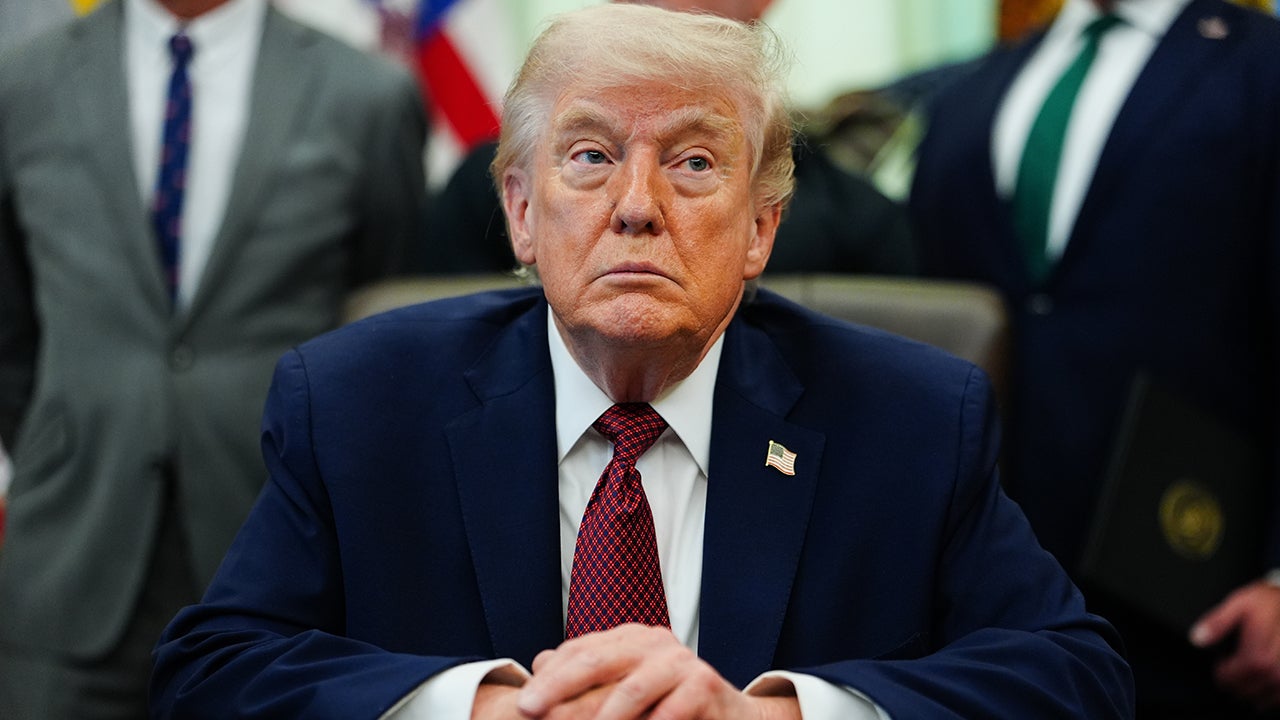
The U.S.-Iran ceasefire is nearing expiration on Wednesday, with President Trump saying Iran has violated it 'numerous times' and that he expects to resume bombing if no deal is reached. Negotiations in Islamabad remain uncertain as Pakistan awaits Iranian confirmation, while the U.S. blockade on Iranian ports and the Strait of Hormuz remains central to the standoff. The situation is highly sensitive for energy, shipping, and broader risk assets given renewed military escalation risk and disruption potential in the Gulf.
The market should treat this as a short-duration but high-tail-risk geopolitics event with disproportionate spillover into energy, defense, and logistics. The key second-order issue is not just the ceasefire outcome, but whether the credibility of any enforcement mechanism has broken down; once that happens, shipping insurance, freight routing, and inventory policy can reprice faster than crude itself. That means even a temporary escalation can tighten prompt physical barrels and lift refinery margins before headline oil benchmarks fully react.
The biggest beneficiary is the defense supply chain, but the move is more selective than a blanket buy-the-sector reaction. If the U.S. posture remains hawkish, demand will skew toward munitions resupply, ISR, air defense, and maritime interdiction rather than large-platform budgets, favoring contractors with near-term replenishment exposure over pure-play primes. On the flip side, airlines, chemical manufacturers, and industrials with Middle East trade links face a convex risk profile because any disruption in Hormuz transits raises both fuel and working-capital costs simultaneously.
Contrarian view: the market may be overestimating how much additional escalation the U.S. can sustain without creating domestic political and inflation pressure. That creates a path where the hardest-line rhetoric is used to improve negotiating leverage, but actual kinetic intensity fades within days if shipping metrics and oil prices begin to bite. If so, the best risk/reward may be in buying short-dated volatility rather than outright directional exposure, since the next catalyst window is extremely compressed and headline-sensitive.
A further underappreciated factor is that any perceived fragmentation of decision-making inside Iran increases the probability of a misread or local escalation rather than a clean negotiated outcome. That raises the odds of asymmetric responses through proxies, shipping harassment, or cyber actions instead of formal state-to-state moves, which is typically more damaging for logistics and insurance than for front-month crude alone.
AI-powered research, real-time alerts, and portfolio analytics for institutional investors.
Request TrialOverall Sentiment
strongly negative
Sentiment Score
-0.70
