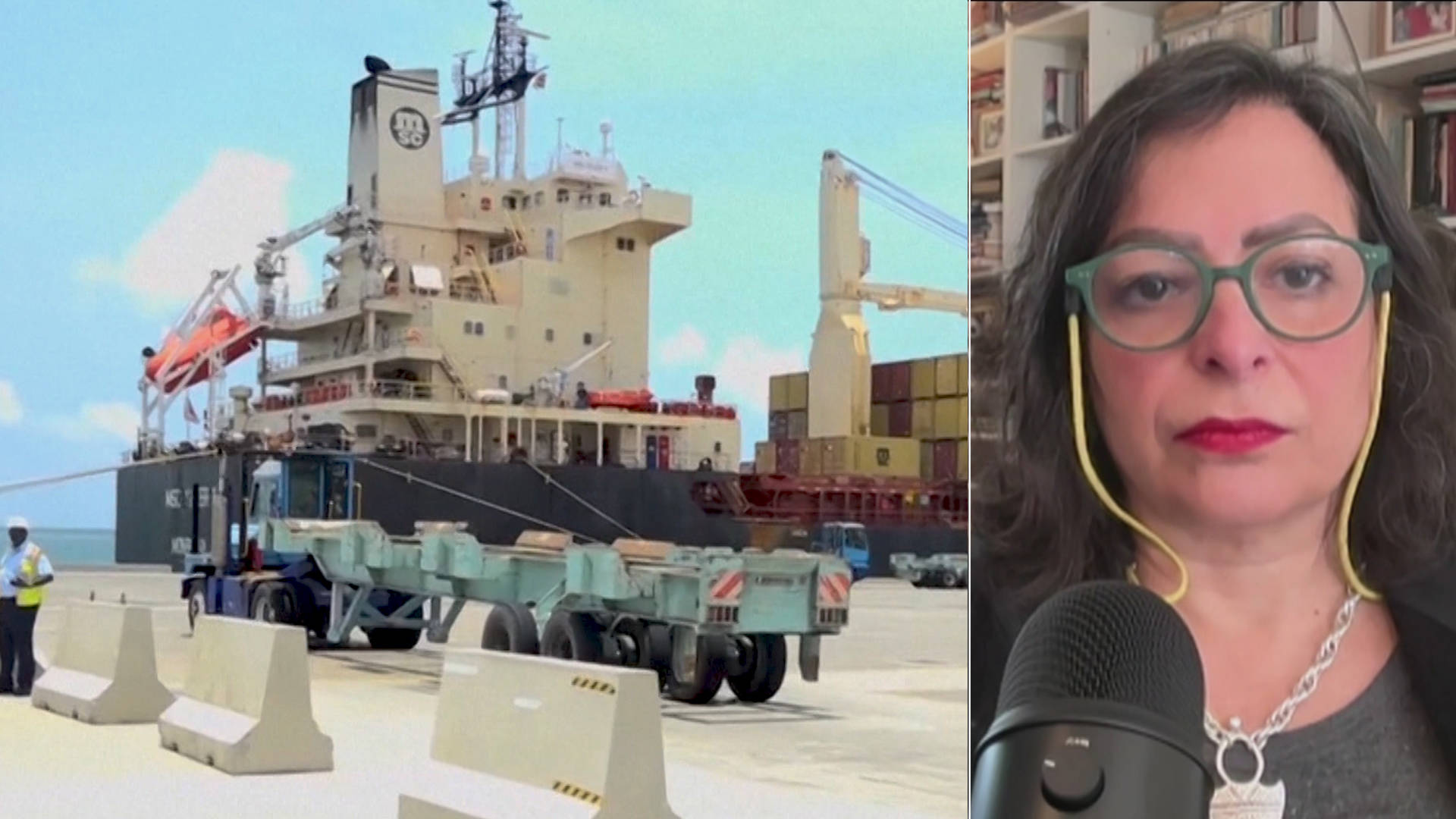
Oil spiked to $118/barrel (≈+60% since Feb 28) after Israel bombed Iran’s South Pars gas field, triggering Iranian attacks on regional energy infrastructure and severely disrupting flows through the Strait of Hormuz. Tankers are clustering, drone/mine strikes raise physical risk, and war-risk insurance premia have jumped (from fractions of 1% toward ~5% of hull/cargo value), tightening effective supply and driving market-wide volatility. Strategic implications include pressure on the petrodollar (talks of petroyuan settlements) and potential acceleration of renewables/battery adoption (advantage China), while near-term upside risk to oil and LNG prices and a prolonged risk-off environment are likely.
The immediate market transmission is amplifying through insurance and logistics costs more than physical depletion: elevated war-risk premia on tanker hulls and cargo pushes effective delivered barrel costs higher independent of spot crude moves, while port clustering and re-routing lengthen voyage days and reduce available tonnage for arbitrage flows. Expect front-month crude and refined product spreads to remain volatile for days-to-weeks as working capital strains (deferred liftings, backlog demurrage) force refiners to scramble feedstock and sellers to demand premia or cancellation fees.
A sustained shift toward non-dollar settlement for some hydrocarbon trades would be a multi-year structural event, not a short-term blip — if counterparties and clearing networks scale yuan-denominated oil contracts, reserve managers and commodity traders will reprice FX exposures and collateral conventions, compressing US dollar seigniorage on energy trades. That process benefits low-cost renewable and battery manufacturers in China by accelerating demand-side economics for electrification; we should see capex reallocation pressure on majors’ medium-term demand assumptions and potential haircuts in long-dated hydrocarbon project valuations.
Key catalysts that could reverse or entrench the current repricing are operational (naval escorts + reinsurance backstops can normalize shipping premia in 4–8 weeks), financial (coordinated SPR releases or swap lines could damp price spikes), and political (an escalation targeting export terminals would materially extend disruption risk into quarters). Tail risk remains asymmetric: short, intense episodes of restoration are possible, but a durable de-risking to pre-crisis cost structures would likely require both a credible security guarantee for shipping lanes and demonstrable alternative clearing rails for oil trade — a months-to-years horizon.
AI-powered research, real-time alerts, and portfolio analytics for institutional investors.
Request DemoOverall Sentiment
strongly negative
Sentiment Score
-0.75
Ticker Sentiment
