
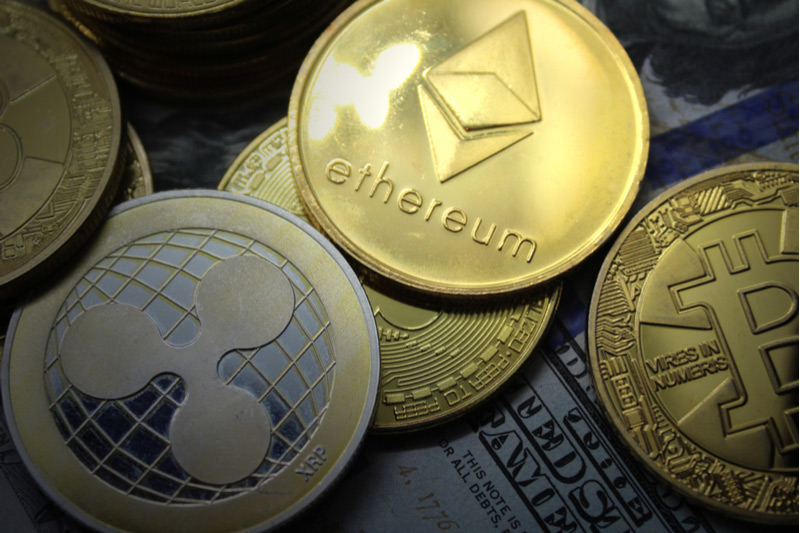
BoE policymaker Megan Greene said tokenised deposits could replace stablecoins within five years as banks seek to protect deposit bases, while Fed Governor Christopher Waller defended stablecoins as a useful financial innovation. The article points to a potential shift in digital-money adoption, but it is largely policy commentary rather than an immediate market catalyst. Overall impact is limited and primarily relevant to crypto, banking, and payments-focused investors.
The real signal here is not about stablecoins versus tokenized deposits in abstraction; it is about where balance-sheet intermediation migrates when regulated money gets programmable. If banks succeed, the economic rent shifts from crypto-native rails to incumbents that can bundle custody, KYC, and funding into a single product, which is structurally favorable for large clearing/franchise players and venue operators that control access rather than issuance. CME’s 24/7 crypto futures push strengthens that thesis: the market is steadily institutionalizing around regulated wrappers, and that tends to concentrate volume with the exchange that already owns futures liquidity and margin relationships.
Second-order, the biggest loser may be the long-tail stablecoin ecosystem’s growth multiple, not its existing base. Even if stablecoins persist, a ceiling on issuance growth compresses the TAM for payment-focused crypto infrastructure, while tokenized deposits could cannibalize transaction velocity from standalone digital dollar products over a 2-5 year horizon. The key risk is that regulators overreach: if the policy mix becomes restrictive rather than substitutive, capital and usage may drift offshore, which would reduce the domestic winners’ take rate and delay monetization.
For CME specifically, 24/7 trading is a modest revenue catalyst now, but the larger optionality is higher crypto open interest and lower slippage attracting systematic flow that previously avoided crypto due to weekend gap risk. That can expand clearing volumes and cross-margin usage even if spot prices go nowhere. The contrarian angle is that the market may be underpricing how slowly banks move; if tokenized deposits remain pilot-stage for years, stablecoins retain the incumbent distribution advantage longer than policymakers expect, keeping the existing ecosystem more durable than the headline suggests.
AI-powered research, real-time alerts, and portfolio analytics for institutional investors.
Request TrialOverall Sentiment
neutral
Sentiment Score
0.05
Ticker Sentiment
