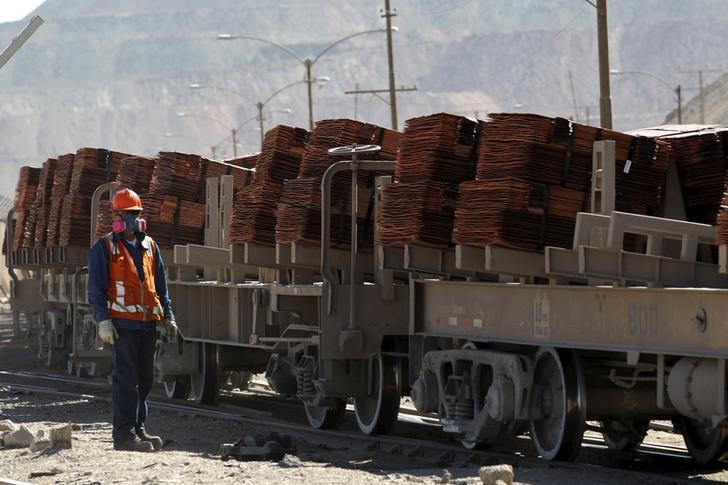
Citi expects copper to stay supported around $13,000 per metric ton, with physical dip-buying seen keeping prices above $12,000 through Q2 2026 even if risk sentiment worsens. The bank warned U.S.-Iran tensions, tariffs, and inventory dynamics could cap gains and pull copper back toward $12,000 by Q4 2026 in its base case. Citi’s bull case sees copper reaching $15,000 per metric ton by year-end if the Strait reopens and energy-transition demand strengthens.
Copper is getting a geopolitical risk premium, but the more important signal is that marginal physical buyers still appear price-insensitive on dips. That creates a near-term floor, yet it also means the market is vulnerable to a sharp air-pocket if macro risk-off forces systematic longs to de-gross at the same time that end-demand slows. The setup is asymmetric over the next 1-3 months: supply headlines can extend the squeeze quickly, but any de-escalation in the Gulf could unwind a meaningful chunk of the move faster than fundamentals would suggest.
For miners, the bigger second-order effect is not just higher realized prices but the potential for a temporary widening between spot copper and equity expectations. FCX is the cleanest vehicle because Grasberg already embeds operational optionality, and any further delay in recovery would likely keep sell-side production ramps too aggressive for one more quarter. That said, FCX also faces the classic commodity-beta trap: if copper holds elevated while risk sentiment worsens, the stock can still underperform because investors discount a lower multiple on geopolitically exposed earnings.
The contrarian angle is that the market may be underestimating how quickly policy can shift in both directions. A sustained move toward the high end of the cited range would likely trigger more supply-response talk from Latin America, scrap recovery, and substitution in power infrastructure over a 6-18 month horizon. In that sense, the medium-term bullish case is less about a straight-line demand story and more about whether trade frictions plus energy-transition capex keep inventories chronically tight through 2026.
AI-powered research, real-time alerts, and portfolio analytics for institutional investors.
Overall Sentiment
neutral
Sentiment Score
0.10
Ticker Sentiment
