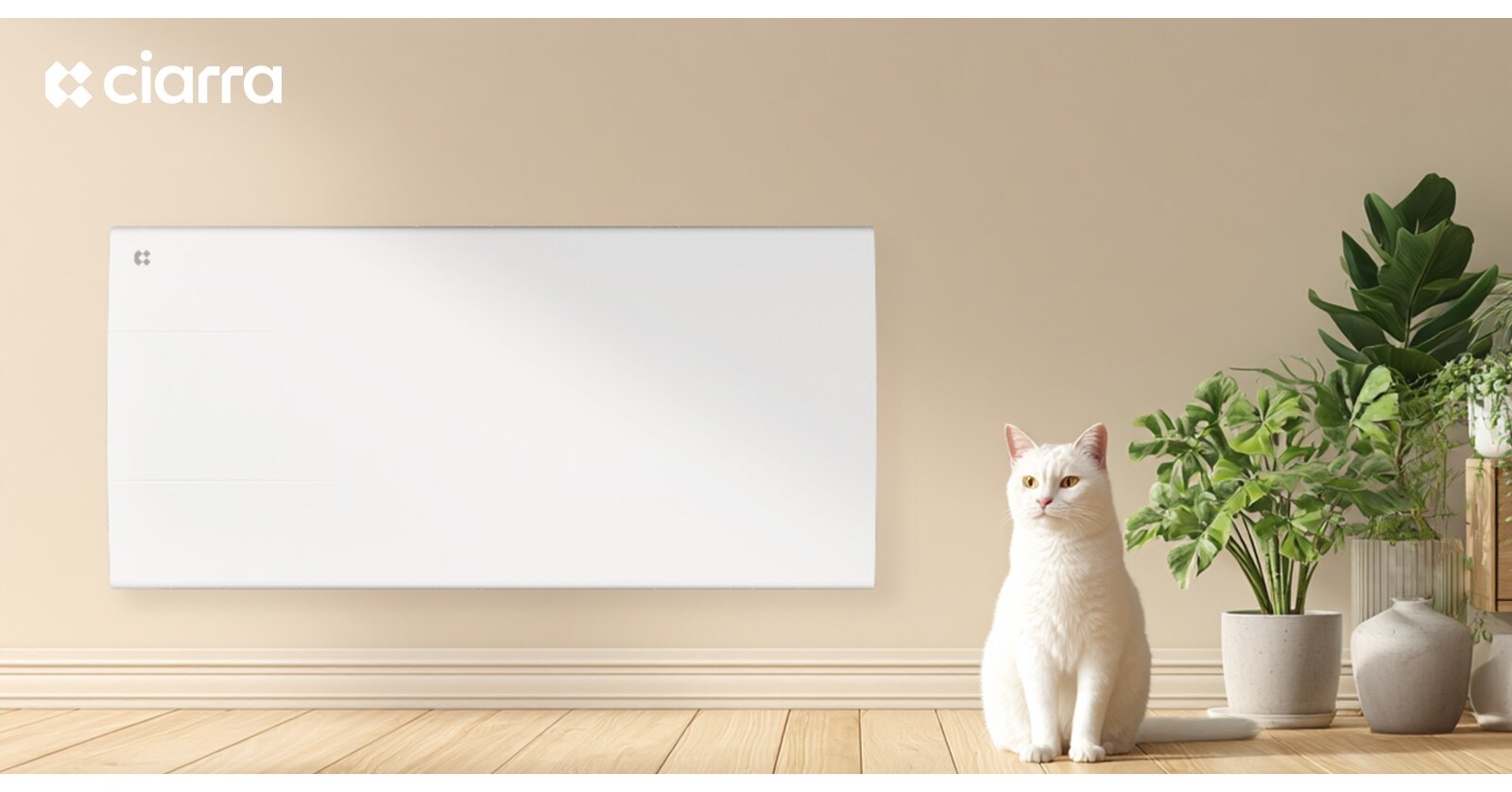
Ciarra launcht ab 23. Juli 2026 eine neue Serie intelligenter Elektroheizgeräte für Europa. Das Sortiment umfasst Modelle von 1.000 W bis 2.000 W für ca. 10–20 m², mit WLAN-Steuerung und Funktionen wie 7-Tage/24-Stunden-Programmierung, Fenster-Offen-Erkennung sowie Überhitzungsschutz; das Flaggschiff CBHTD15A-W (1.500 W, WLAN) ist für etwa 15 m² ausgelegt und soll in <5 Minuten aufheizen. Die Markteinführung zielt auf sicherere, effizientere und energiebewusste Raumheizung in Wohn-, Bad- und Bürobereichen ab.
This is a category signal, not a market event: the economic winner is the brand that can attach software, safety, and bathroom-rated compliance to a commoditized hardware SKU and sell it through premium channels. The more interesting second-order effect is margin mix, not unit growth — if consumers accept app control and room-by-room automation, the pricing umbrella supports names with stronger design/retail presence while generic heater imports get squeezed.
The demand impulse is highly weather- and gas-price-sensitive. A cold winter or sticky European gas prices can pull forward sell-through in the next 1-3 months, but a mild winter or falling household energy bills would quickly relegate this to a low-velocity seasonal category. Utilities do not automatically benefit: this mostly reallocates heating spend from central systems to portable resistance units, so the load addition is small and the rate impact is lagged.
Contrarian view: the market often overprices “smart” as durable structural demand. Portable heaters are usually a temporary comfort purchase, not a secular efficiency upgrade, so the upside is likely limited to modest share gains and retail mix, with low repeat rates after the first cold spell. Falsifiers are simple: warmer-than-normal weather, EU gas prices easing, or retailer/channel checks showing no meaningful attach-rate lift after launch.
AI-powered research, real-time alerts, and portfolio analytics for institutional investors.
Overall Sentiment
mildly positive
Sentiment Score
0.15
