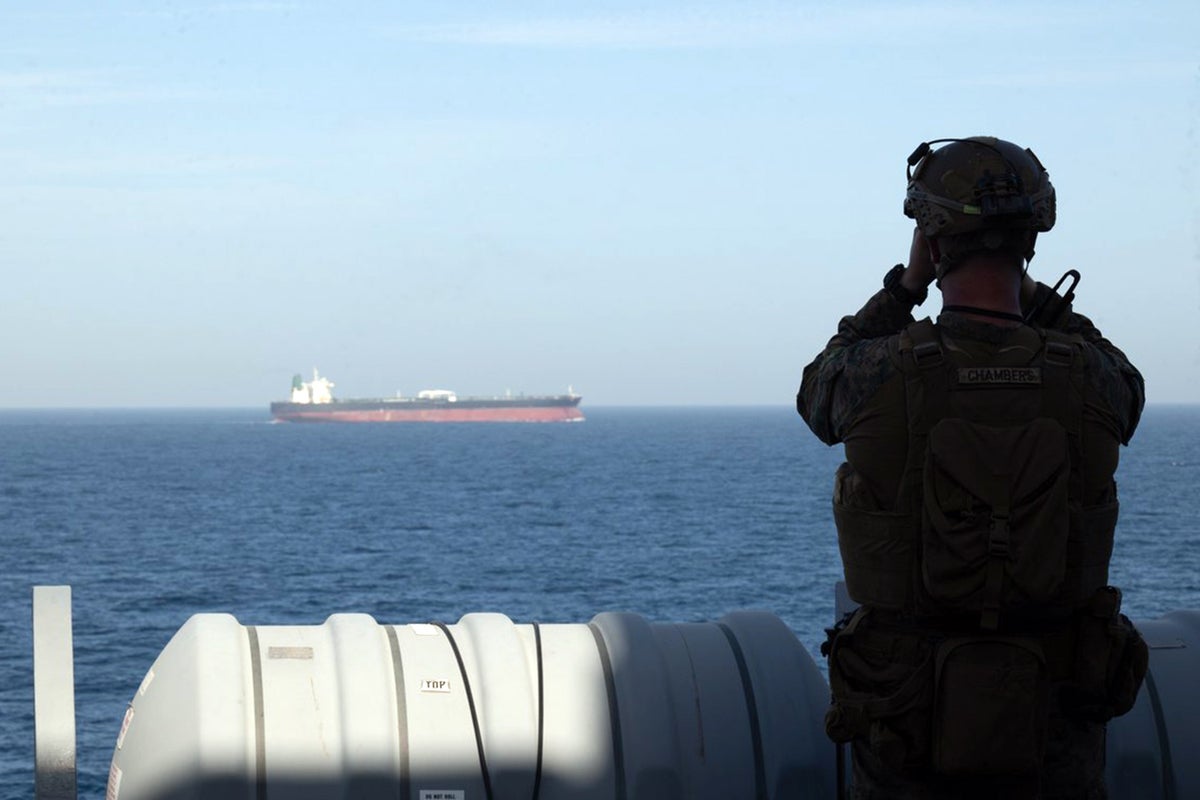
The U.S.-Israeli war with Iran has sharply disrupted shipping through the Strait of Hormuz, where only three vessels passed in one 24-hour period and the route normally carries about one-fifth of global oil and LNG supply. The article outlines alternative export routes, including Saudi Arabia's 7 million bpd East-West pipeline, the UAE's 1.5-1.8 million bpd Habshan-Fujairah pipeline, and Iraq's Kirkuk-Ceyhan line, but notes several are constrained by capacity, security, or early-stage development. The disruption is a major geopolitical and energy-market shock with broad implications for crude, LNG, and shipping flows.
The key market implication is not just higher oil volatility, but a forced repricing of regional infrastructure optionality. The assets with credible bypass capacity become quasi-strategic toll roads, while Gulf producers with no escape route face a bigger discount for physical disruption risk and insurance friction; that should widen the spread between resilient exporters and exposed FOB barrels over the next several weeks.
Second-order effects likely show up first in freight, marine insurance, and refining rather than outright benchmark crude. If Hormuz risk persists, the market will lean harder on Red Sea and Mediterranean routing, which raises voyage time, vessel scarcity, and demurrage; that creates a lagged squeeze on product availability in Europe and Asia even if headline crude flows only partially recover. The bigger medium-term winner is any operator whose incremental throughput can be monetized without geopolitical bottlenecks, because the market will pay up for reliability over nominal capacity.
The contrarian read is that the market may be overestimating how much supply can actually reroute in the near term. Most alternative routes are constrained by loading capacity, terminal reliability, and upstream logistics, so the real bottleneck is not pipeline length but how much export infrastructure can be safely operated under attack risk. That means the price response can be more violent than the supply loss itself, but it also means a ceasefire or credible maritime security regime could unwind the risk premium fast, likely within days to a couple of weeks.
Watch for asymmetric impact across energy equities: integrated majors with diversified trading and shipping can outperform pure upstream beta, while logistics, tanker, and marine insurance names can see a delayed but durable tailwind. The more interesting setup is a relative trade on disruption resilience versus exposure to Gulf chokepoints, not a simple directional oil bet.
AI-powered research, real-time alerts, and portfolio analytics for institutional investors.
Request DemoOverall Sentiment
mildly negative
Sentiment Score
-0.30
