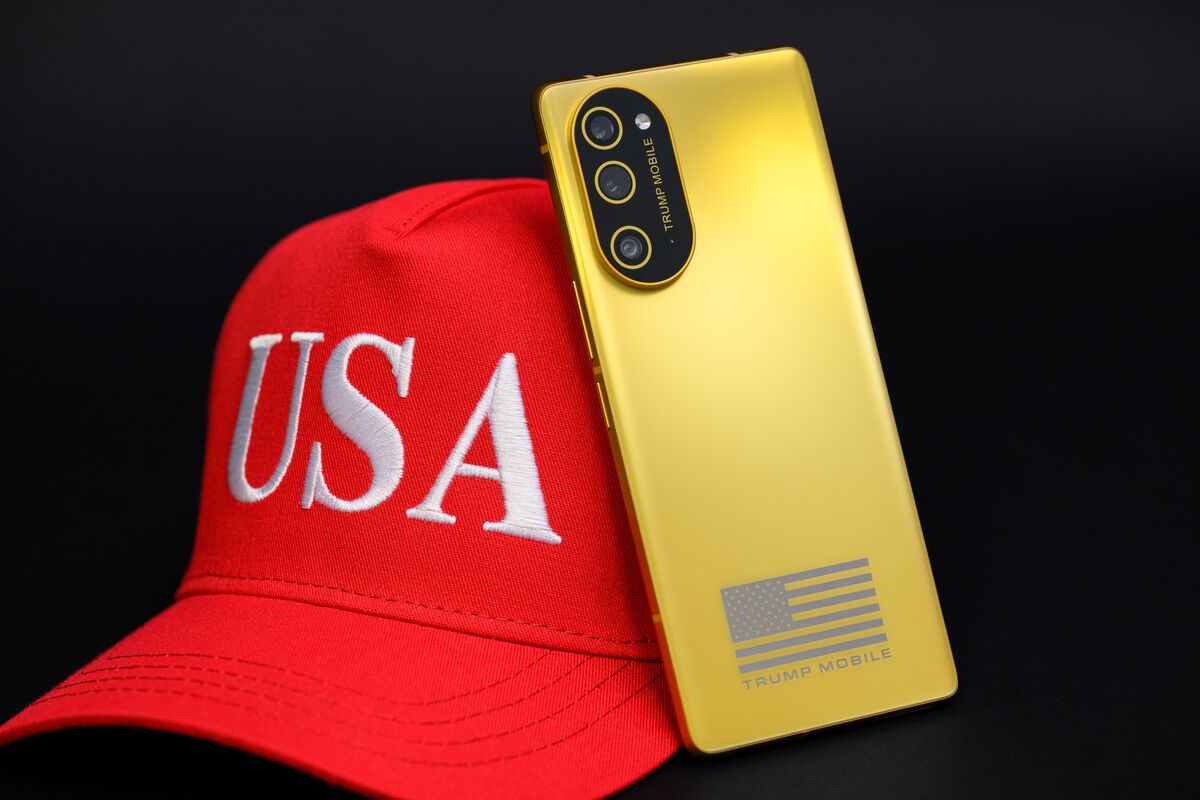
The Trump Mobile T1 handset is described as more novelty than a serious smartphone contender, falling short of its original promise of a gold-colored, US-made device. The article highlights that modern manufacturing realities made the US-made claim impossible, suggesting a credibility gap around the launch. Market impact appears limited, but the story may weigh on perception of the brand and its consumer-tech ambitions.
This is a branding event masquerading as a hardware launch, which matters more for distribution than for handset share. The most likely economic winner is whoever monetizes the traffic spike around the product—carriers, accessory makers, and ad platforms—not the device itself, because novelty phones tend to generate bursty interest that decays fast and produces little repeat purchase behavior. That makes the second-order effect more about customer acquisition economics than smartphone competition.
The real risk is reputational spillover: if the product underdelivers on specs, support, or availability, it reinforces skepticism toward politically affiliated consumer brands and raises the cost of future launches. That is especially relevant over the next 1-3 months, when initial reviews, return rates, and fulfillment friction will determine whether the launch converts into durable demand or becomes a meme-cycle with no retention. If there are logistics issues, any perceived scarcity can briefly boost conversion, but it also amplifies negative word-of-mouth and churn.
From a broader market lens, this kind of launch is a reminder that “made in America” claims remain a premium narrative rather than an operational moat. The contrarian angle is that the market may overestimate the ability of politics to create sticky consumer hardware demand; in reality, the install base is won on ecosystem lock-in and service quality, not identity signaling. Any benefit to incumbent smartphone leaders is indirect: weak aftermarket confidence makes consumers more likely to stay with proven platforms rather than experiment.
The most actionable setup is to fade any short-term hype in adjacent retail beneficiaries if there is a first-week surge, since novelty demand usually mean-reverts quickly. The key catalyst to watch is review sentiment and fulfillment quality over the next 2-6 weeks; that will decide whether this becomes a one-day media event or a broader lesson in brand fatigue. If execution disappoints, the downside is not to the phone category itself but to the monetization assumptions behind politically themed consumer products.
AI-powered research, real-time alerts, and portfolio analytics for institutional investors.
Request DemoOverall Sentiment
mildly negative
Sentiment Score
-0.25
