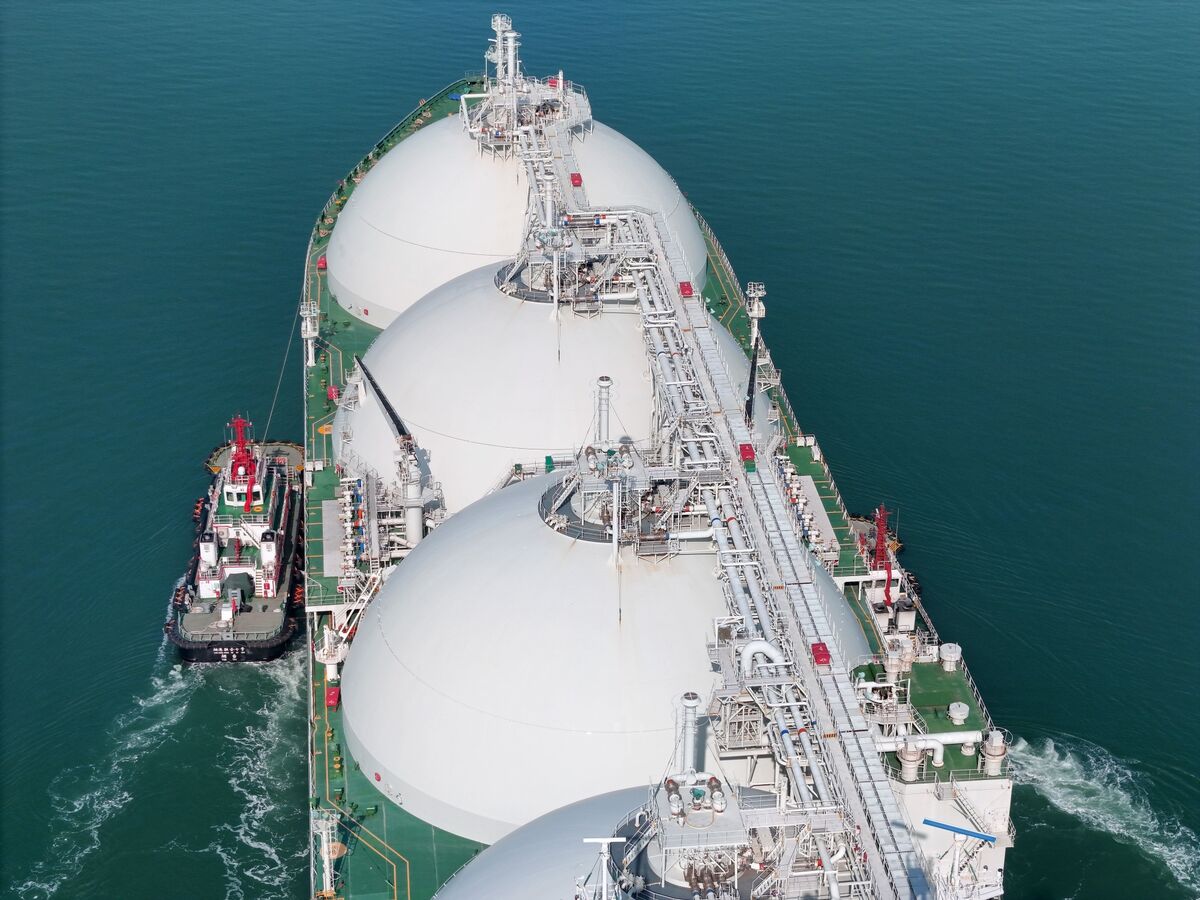
Seaborne LNG deliveries to China in November are forecast at about 5.81 million tons, roughly 5.5% below year-ago levels and representing the 13th consecutive month of annual declines, according to Kpler and Chinese customs data. The drop is attributed to stronger domestic gas output and increased pipeline imports, weighing on import demand and creating downside pressure for global LNG spot markets and exporters.
Market structure: Reduced Chinese seaborne LNG demand shifts pricing power toward domestic producers and pipeline suppliers, squeezing spot-exposed exporters and LNG tanker owners. Expect 5–10% downside pressure on Asian spot (JKM) and shorter charter rates within weeks if the trend persists, while integrated majors with long-term contracts see insulated cashflows. Cross-asset: AUD/CAD and commodity-linked EM FX should underperform on weaker LNG receipts; small-cap LNG equity credit spreads likely widen, pressuring high-yield energy bonds.
Risk assessment: Key tail risks are a severe cold snap in China (could lift monthly LNG demand >20% within 2–6 weeks) and geopolitical cuts to pipeline flows (would flip surplus to deficit quickly). Immediate moves (days) will show in spot JKM and charter rates, short-term (weeks–months) in quarterly earnings for exporters, and long-term (2–5 years) in China’s structural pivot to domestic gas and pipelines. Hidden dependencies include cargo re-routing to Europe and take-or-pay contract cushions that mute near-term volatility.
Trade implications: Tactical shorts on spot-exposed equities and shipping names are high-conviction short-term plays; pair with longs in Chinese domestic producers or integrated majors for defensive carry. Use options to define risk: buy put spreads on high-beta LNG names rather than outright shorts to cap downside. Reallocate 2–5% of risk budget from pure-play exporters/shippers into integrated energy and pipeline carriers.
Contrarian angles: Consensus underestimates cargo diversion: Europe can absorb surplus LNG, capping downside for US exporters with long-term contracts (e.g., Cheniere). The market may be over-discounting well-contracted US liquefaction cashflows, so avoid blanket shorts across all LNG names. Historical parallels (2019–20) show temporary demand slumps reversed by weather/policy, so size shorts with event-driven stops.
AI-powered research, real-time alerts, and portfolio analytics for institutional investors.
Request DemoOverall Sentiment
mildly negative
Sentiment Score
-0.25
