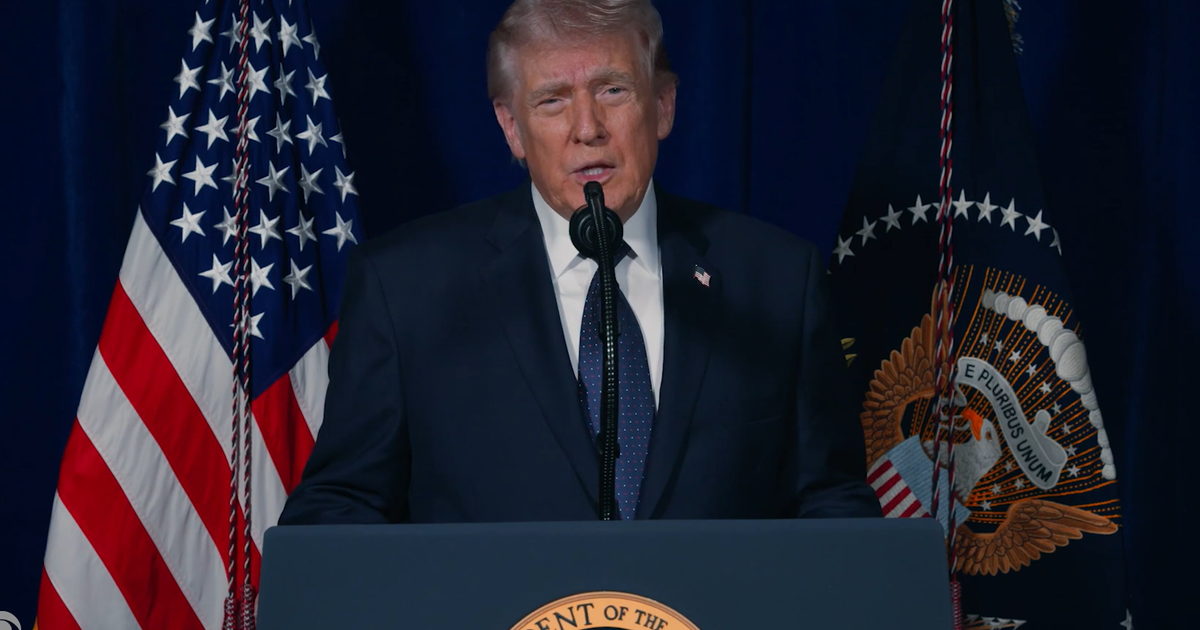
President Trump announced continued U.S.-led operations dubbed Operation Epic Fury against Iran, saying combat will continue until objectives are achieved and warning more U.S. casualties are likely after U.S. Central Command reported three service members killed. Trump claimed the strikes—based on CIA intelligence shared with Israel—killed former Supreme Leader Ayatollah Khamenei and numerous senior Iranian officials, while Iranian authorities say military capability remains intact and an interim leadership council is in place. The escalation and leadership uncertainty in Iran materially raise geopolitical risk, with potential near-term impacts on energy markets, defense-sector flows and risk-sensitive assets.
Winners are defense contractors (LMT, RTX, GD), energy majors/service names (XOM, CVX, SLB) and safe-havens (TLT, GLD, USD) as risk-off and supply-risk premia bid; losers include airlines/travel (AAL, UAL, DAL, JETS ETF), regional shippers/insurers and EM carry trades. A Gulf/Strait disruption could remove 5–10% of seaborne crude flows transiently, pushing Brent +$10–$30 in extreme cases and widening upstream pricing power for integrated producers.
Immediate impact (days) will be higher realized and implied volatility (VIX spike), Treasury rallies and USD strength; short-term (weeks–months) expect revisions to defense budgets, elevated energy capex, and tighter oil markets; long-term (quarters–years) could mean persistent re-rating for defense and energy vs travel and EM. Tail risks: full-scale regional war or sustained Strait closure could send oil >$120/bbl and trigger recessionary shock.
Trade implications: favor size-constrained, tactical longs in LMT/RTX (2–4% portfolio each) and XOM/CVX (2–3% each) funded by cutting airline exposure by 40–60% and short JETS/UAL position sized to offset beta. Use options: buy 3-month SPY 2–3% OTM put spreads (cost <0.8% portfolio) and 3-month call spreads on XOM/CVX to cap cost while participating in a $10–30 move.
Consensus may overpay defense/energy near-term; history (1990, 2003) shows equities often rebound within 3–6 months after rapid risk repricing. Watch catalysts (Iran retaliation windows, shipping casualty reports, OPEC spare capacity moves); if Brent falls below $80 or a verified ceasefire within 30 days, pare energy/defense positions by 30–50% to lock gains.
AI-powered research, real-time alerts, and portfolio analytics for institutional investors.
Request TrialOverall Sentiment
strongly negative
Sentiment Score
-0.75
