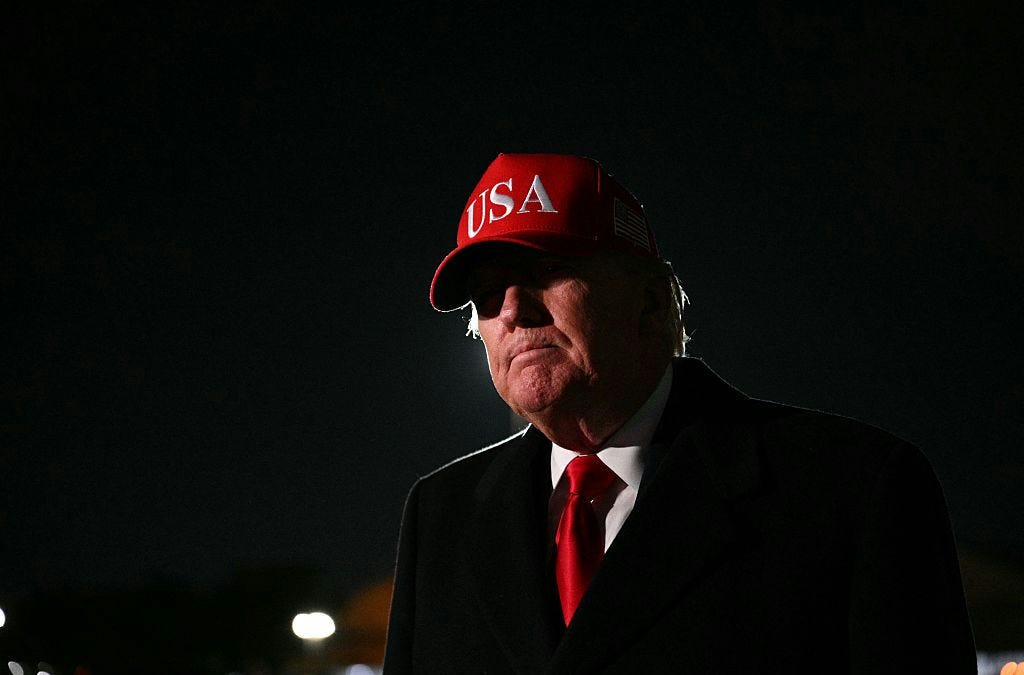
Trump’s blockade move around the Strait of Hormuz raises geopolitical risk and highlights the potential to disrupt millions of barrels of oil from global circulation. The article suggests the U.S. is using pressure on Iran as negotiation leverage, but any escalation could quickly tighten energy markets and spike global oil prices. Despite the current negotiating backdrop, the threat alone is a material market-wide risk.
The market implication is less about the immediate headline and more about regime shift: if a closure threat is credible but not fully executed, the oil curve should steepen in the front end while outright long-dated energy exposure remains less compelling. The beneficiaries are not just crude producers; it is also defense, maritime security, and select LNG/shipping names with contractual pass-throughs, while airlines, petrochemical margins, and EM importers with weak balance sheets are the first-order losers. The second-order trade is inflation expectations re-anchoring higher for 1-3 months, which can pressure rate-sensitive cyclicals even if spot crude only moves modestly.
The key catalyst path is binary and time-compressed: any actual interdiction, mine risk, or attack on Gulf infrastructure would create a 48-72 hour repricing event in Brent, freight, and options vol, whereas de-escalation would likely unwind the move faster than the market expects because positioning tends to be crowded on headline risk. The more durable risk is not a sustained physical shortage but higher insurance, rerouting, and inventory hoarding, which can keep product markets tight for weeks even if barrels still transit. That favors refined products and shipping more than upstream barrels.
Consensus is probably underestimating how asymmetrically this hits consumers and balance-sheet-sensitive sectors versus large-cap energy equities. If crude spikes from a blockade scare, the first macro casualty is discretionary demand, but the second-order effect is tighter financial conditions via higher breakevens and stronger USD, which can ripple into credit spreads. Conversely, if negotiations stabilize the corridor, volatility sellers may have the edge because the market is already being told the escalation is tactical rather than structural.
AI-powered research, real-time alerts, and portfolio analytics for institutional investors.
Request TrialOverall Sentiment
mildly negative
Sentiment Score
-0.15
