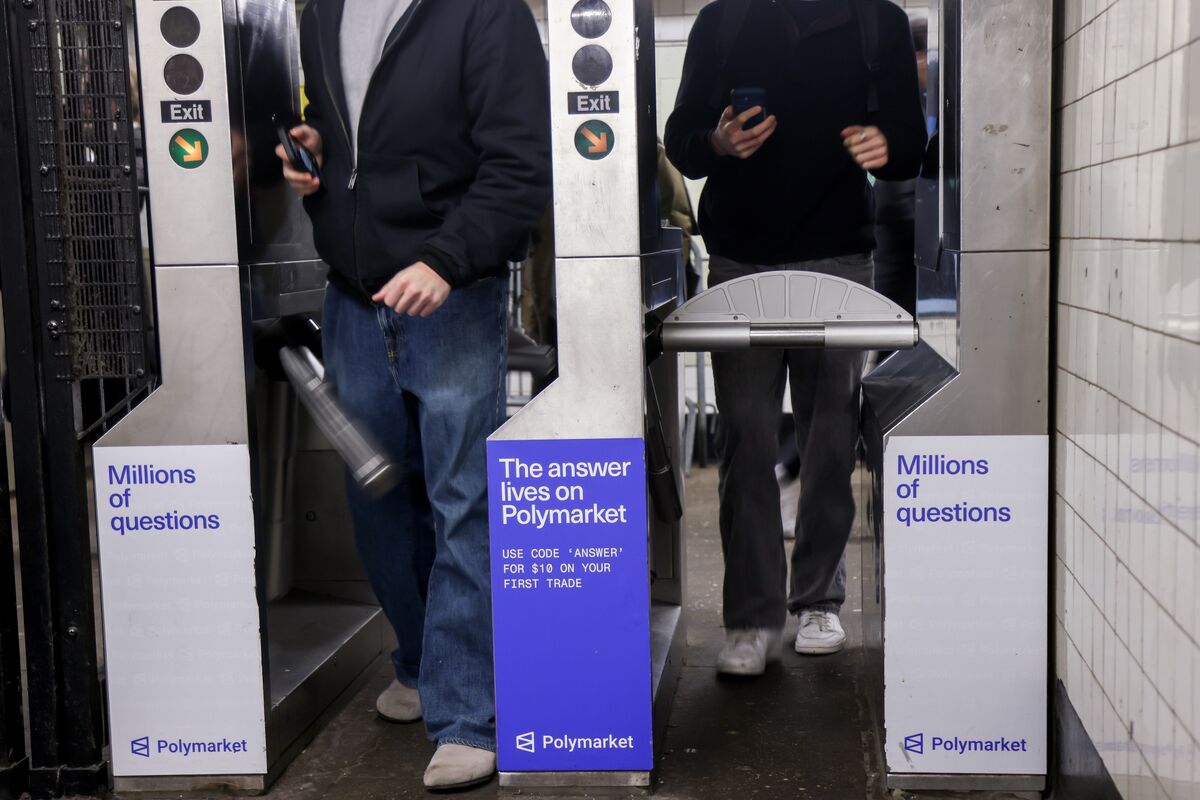
Polymarket coverage highlights that most users lose money, with the top 1% of accounts capturing roughly three-quarters of gains while most traders since 2022 are underwater. The article argues these results are not unique to Polymarket, but reflect a broader pattern in retail derivatives and betting markets, where a small minority captures most profits. The piece is analytical rather than event-driven, so the likely market impact is limited.
The key market signal is not that retail losses exist; it is that Polymarket is increasingly behaving like a distribution channel for volatility demand rather than a unique edge source. That matters because the platform’s growth thesis depends on repeat participation, but repeated negative expectancy usually compresses into lower retention, lower marketing efficiency, and eventually a less liquid market for everyone except the best informed users. The likely second-order winner is the broader crypto-native exchange stack that monetizes activity regardless of user P&L, while the loser is any venue-dependent token or equity story that implicitly assumes sustained consumer surplus.
The more interesting read-through is to investor sentiment and positioning in event-driven crypto assets. If users are approaching these markets like lottery tickets, volumes can remain resilient in hot news cycles, but the base of durable capital should narrow, making liquidity more episodic and more sensitive to headline intensity. That creates a classic “great during spikes, weak in the troughs” revenue profile, which is usually overvalued by investors extrapolating peak engagement.
Catalyst-wise, the near-term risk is reputational rather than regulatory: a few more publicized loser narratives can slow new-user growth over the next 1-3 months. Over a 6-12 month horizon, the bigger reversal would be product innovation that improves user retention, such as better market-making tools, social features, or institutional participation that transfers edge from retail to pros while preserving volume. The contrarian view is that the market may be underestimating how durable gambling-like engagement can be even with negative expectancy; that argues against outright bearishness on usage, but supports skepticism on monetization quality and valuation multiples.
AI-powered research, real-time alerts, and portfolio analytics for institutional investors.
Request TrialOverall Sentiment
mildly negative
Sentiment Score
-0.10
