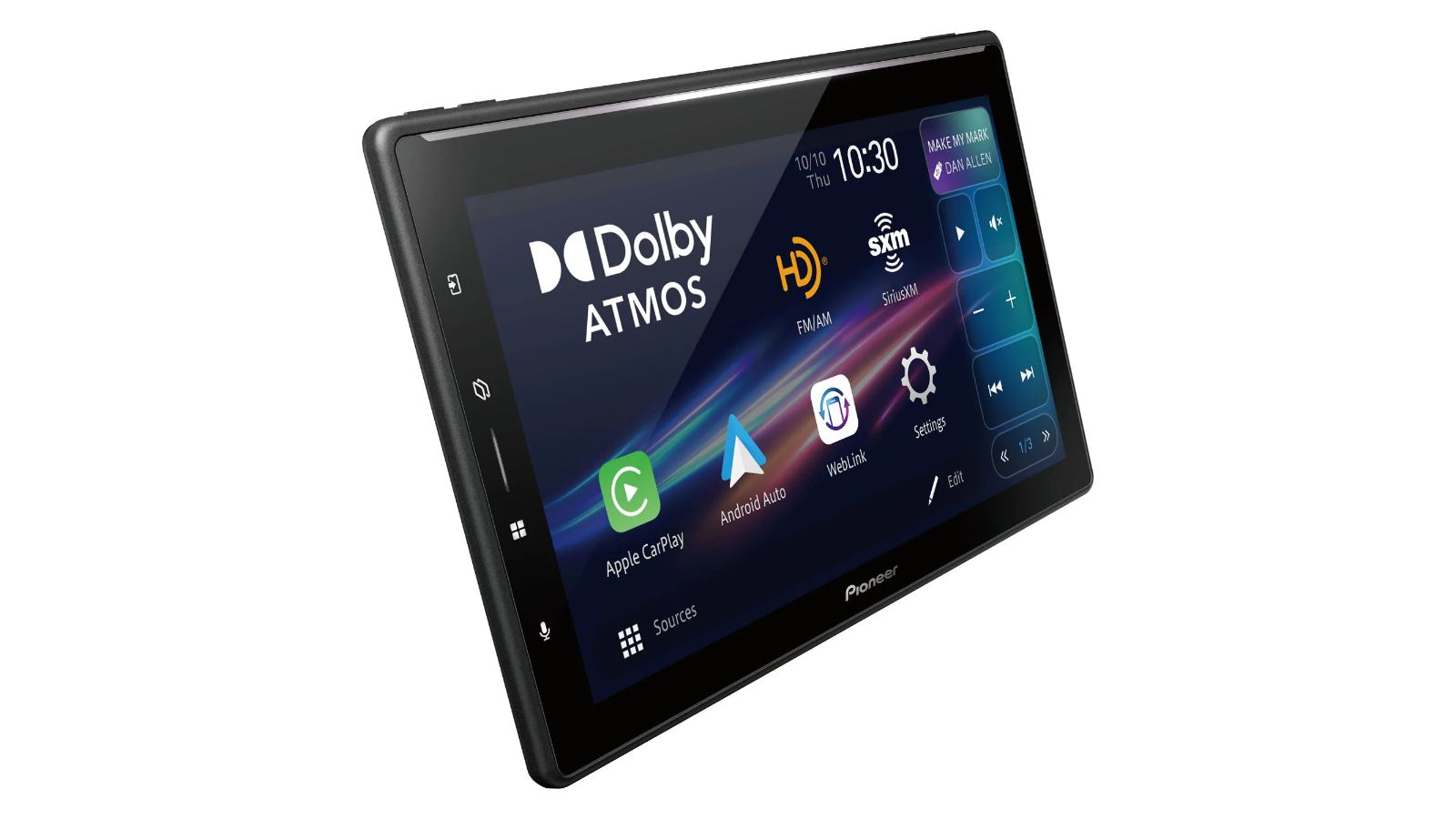
Pioneer unveiled the SPHERA in-dash receiver at CES 2026, the first aftermarket unit to enable Dolby Atmos spatial audio playback through Apple CarPlay by using an optimized four-channel configuration and its Pure Autotuning technology to work with standard front/rear speakers. The unit features a 10.1-inch HD touchscreen, wireless CarPlay/Android Auto and Bluetooth, is designed for universal aftermarket installation, and will ship in spring with pricing starting at $1,300. The product meaningfully expands Atmos-capable CarPlay beyond high-end factory systems, creating a potential revenue and market-share opportunity for Pioneer in the automotive audio aftermarket. Investors should view this as a modest positive catalyst that could drive incremental sales in the premium aftermarket audio segment but is unlikely to be market-moving on its own.
Market structure: This product shifts Dolby Atmos for CarPlay from a rare OEM feature into the large aftermarket channel, benefiting Pioneer/aftermarket installers, wireless-chip and audio-DSP suppliers (Qualcomm, Broadcom, Cirrus Logic) and Apple via Apple Music/CarPlay engagement. It marginally weakens pricing power for premium OEMs that charged for factory Atmos packages and for niche luxury audio OEMs; expect modest share shifts in audio add-on spend (estimate ~0.5–2.0M aftermarket installs over 12–24 months if pricing and installs scale). Retailers and installation chains (aftermarket ops) capture the primary incremental margin.
Risk assessment: Tail risks include Apple changing CarPlay/Atmos licensing or software limitations within 90–180 days (high-impact, low-probability), large-scale installation quality issues triggering returns/brand damage for Pioneer, or component shortages (wireless/Bluetooth chips) that push ASPs higher. Immediate market impact is minimal (days); watch unit availability and reviews over spring launch (weeks–months); structural effects to supplier revenues play out over 12–36 months. Hidden dependency: wireless CarPlay performance depends on smartphone OS updates and automaker head-unit integration variability.
Trade implications: Favor small, targeted long exposures to beneficiaries: AAPL (services/engagement uplift), QCOM/AVGO (wireless CarPlay chipsets), CRUS (audio codecs/DSP) with concentrated, size-limited allocations; use 3–12 month horizons and option spread structures to cap cost. Avoid large positions in premium OEMs that monetize factory audio packages; consider modest long exposure to aftermarket install chains if public (select names, 6–12 month view).
Contrarian angles: Consensus may overstate AAPL top-line lift—hardware is $1,300 and adoption will be constrained by install friction, so upside to Apple’s revenue is modest; the richer opportunity is in component vendors whose incremental unit demand can swing margins 2–5% annually. Historical parallel: smartphone accessory waves (wireless earbuds) benefitted chip suppliers and platforms more than accessory brands. Unintended consequence: OEMs could respond with deeper software lock-ins or discounts on factory packages, compressing aftermarket margins within 12–24 months.
AI-powered research, real-time alerts, and portfolio analytics for institutional investors.
Request DemoOverall Sentiment
mildly positive
Sentiment Score
0.35
Ticker Sentiment
